Why bathroom independence is one of the most meaningful milestones for a person.
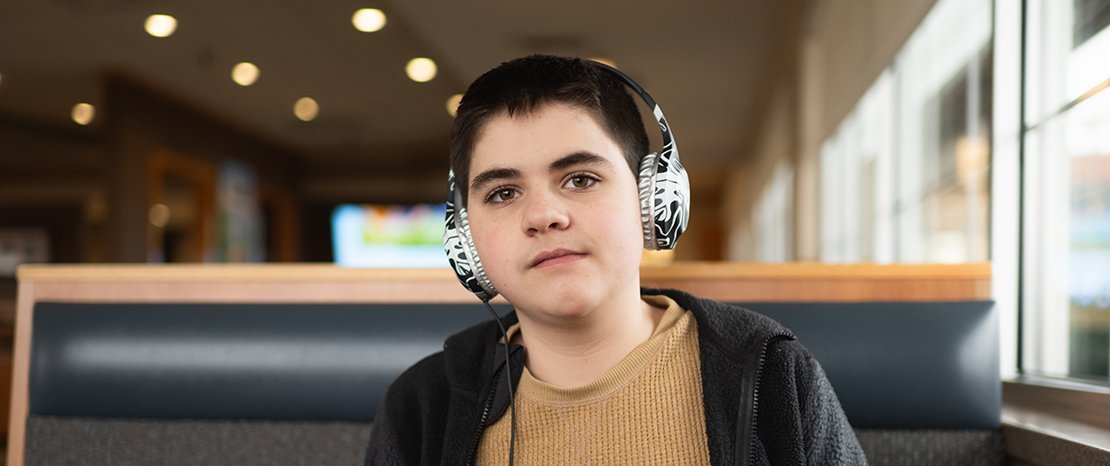
When we think about independence, we often focus on the big milestones: learning to drive, getting a job or living independently. Yet some of the most meaningful moments happen behind a closed bathroom door
Using the toilet isn’t just about “going to the toilet”. It’s a surprisingly complex task that most of us complete without even thinking. It involves recognising the need to go, planning what to do next, managing clothing, maintaining balance, completing personal hygiene, washing hands and then returning to what you were doing before. For many individuals with autism, each of these steps can bring its own challenges.
Throughout my career, I’ve worked with many young people and adults with a diagnosis of autism, and one thing I’ve learnt is that toileting difficulties are rarely about not wanting to use the toilet. More often than not, there’s a reason behind the behaviour.
Sometimes it’s sensory. The bathroom might be too bright, too loud or smell too strongly of cleaning products. The toilet seat might feel cold, the sound of the flush overwhelming or the feeling of toilet paper uncomfortable.
Sometimes it’s about body awareness. Recognising when your bladder or bowel is full isn’t something everyone experiences in the same way. If those internal body signals aren’t clear, knowing when you need the toilet becomes incredibly difficult.
Sometimes it’s the number of steps involved. Toileting is one of the most complex self-care occupations we complete every day. It requires planning, sequencing, balance, coordination, communication and problem-solving; all whilst coping with a sensory environment that can feel overwhelming.
This is why I think occupational therapists bring such an important perspective. Rather than asking, “Why can’t this child use the toilet?”, we ask, “What’s making this occupation difficult?”
One of the models I use regularly is the Person-Environment-Occupation (PEO) model. It reminds us that successful participation isn’t just about the person. It’s about the interaction between the person, the environment and the occupation itself.
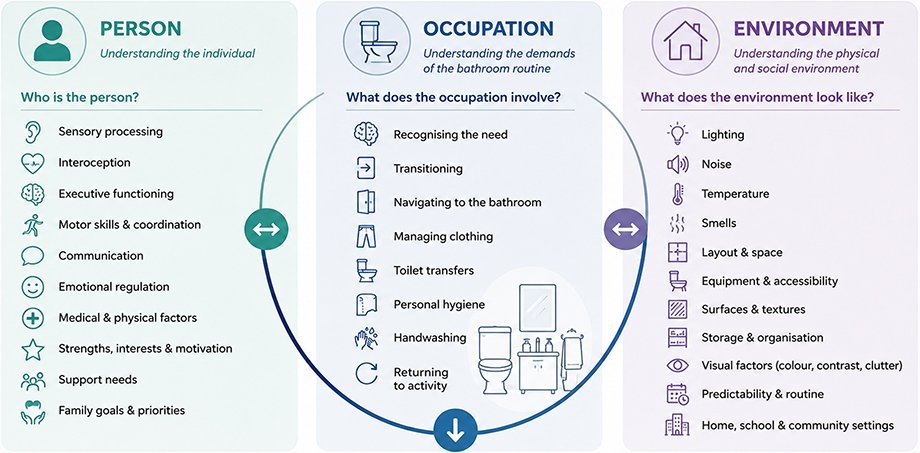
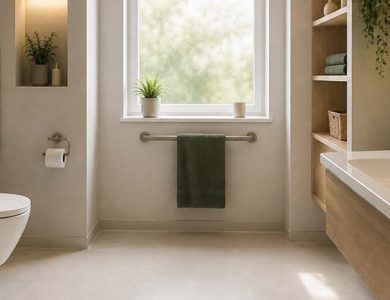
If we only focus on teaching the skill, we can miss opportunities to make the environment work better. Small changes, like softer lighting, reducing noise, using visual routines, keeping toiletries in consistent places or simplifying the bathroom layout can make a huge difference to how manageable the occupation feels.
Of course, there are times when environmental changes aren’t enough. Some individuals continue to need support with personal hygiene because of differences in motor skills, balance, body awareness or executive functioning. That’s where assistive technology can become another valuable option.
For me, equipment should not be the starting point or the only solution. It should be considered as part of a wider occupational therapy intervention, after we’ve understood the individual, explored environmental adaptations and identified what barriers still remain. When matched to the right person, assistive technology has the potential to reduce physical effort, simplify routines, improve hygiene and, perhaps most importantly, promote dignity.
One thing I’ve become increasingly aware of is that independence isn’t all or nothing. We often celebrate the end goal, but sometimes the biggest achievements are the small ones. A child recognising they need the toilet, pulling their own trousers up, washing their hands independently or needing one less prompt than yesterday are all meaningful steps towards greater independence.
That’s what I love about occupational therapy. We don’t just teach skills, we look at the whole picture. We think about the person, the environment and the occupation, and we work alongside families to find practical solutions that make everyday life easier.
At the end of the day, bathroom independence isn’t just about using the toilet. It’s about health, confidence, participation and dignity. And if we can help someone feel more independent in one of the most personal occupations of daily life, we’ve made a difference that reaches far beyond the bathroom.
References
- Law, M., Cooper, B., Strong, S., Stewart, D., Rigby, P., & Letts, L. (1996). The Person Environment Occupation Model: A transactive approach to occupational performance. Canadian Journal of Occupational Therapy, 63 (1), 9–23. https://doi.org/10.1177/000841749606300103
- Tazinaffo, Luiza Salomão, Wolf, Bianca Brunelli, Sposito, Amanda Mota Pacciulio, Performance of Daily Living Activities of Autistic Children With Sensory Processing Difficulties: Caregivers′ Perceptions, Occupational Therapy International, 2026, 5556699, 14 pages, 2026. https://doi.org/10.1155/oti/5556699
- Simon, M., Wilkes-Gillan, S., Ryan Chen, Y.-W., Cordier, R., Cantrill, A., Parsons, L., & Phua, J. J. (2022). Toilet training interventions for children with autism spectrum disorder: A systematic review. Research in Autism Spectrum Disorders, 99, 102049. https://doi.org/10.1016/j.rasd.2022.102049
- Stacey, N., Turtle, B., & Daly-Lynn, J. (2026). An Investigation of Factors Affecting Bowel Movement Hygiene in Autistic Children. Occupational Therapy International, 2026(1), Article 5464138, 1–12. https://doi.org/10.1155/oti/5464138
- MacAlister, L. (2024, April 24). Toileting and autistic children. National Autistic Society