Wash & Dry Toilets in Occupational Therapy

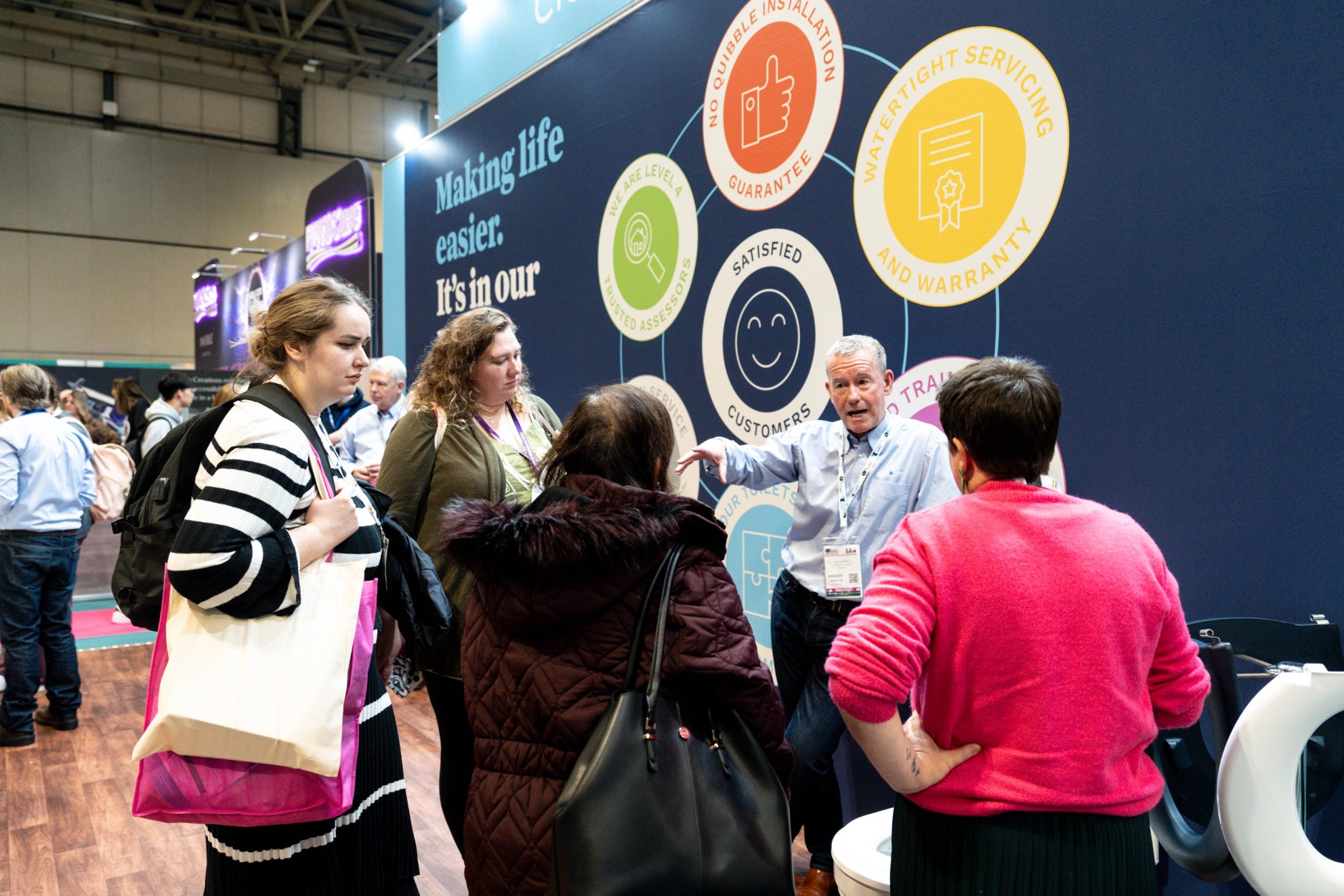
Visitors talking at the Closomat stand at a trade show

Clinical Evidence, Functional Outcomes and Specification Guidance

A wash and dry toilet replaces manual hygiene with a consistent, automated process. It enables reliable cleansing and drying, reduces reliance on carers, improves dignity, and supports long term, cost effective care at home.
Why does toileting so often break down in practice?

For Occupational Therapists, the real question is not which equipment to add, but how to restore a functional, repeatable toileting outcome that the individual can sustain over time.

When does wiping stop being a viable solution?

Wiping requires trunk rotation, reach, grip strength, and balance. If any of these decline, the individual cannot guarantee effective or safe hygiene.

You may see:

1
Incomplete cleansing and skin integrity issues
2
Unsafe weight shifting and increased falls risk
3
Fatigue or pain limiting task completion
4
Growing dependence on carers

What changes when you introduce a wash and dry toilet?

A wash and dry toilet removes the need for manual hygiene altogether. It integrates toileting, cleansing, and drying into a single, controlled process.

How can this person wipe more safely?

Instead of asking

How can we deliver consistent hygiene without wiping at all?

The intervention answers a different question

That shift is what makes the intervention clinically effective.

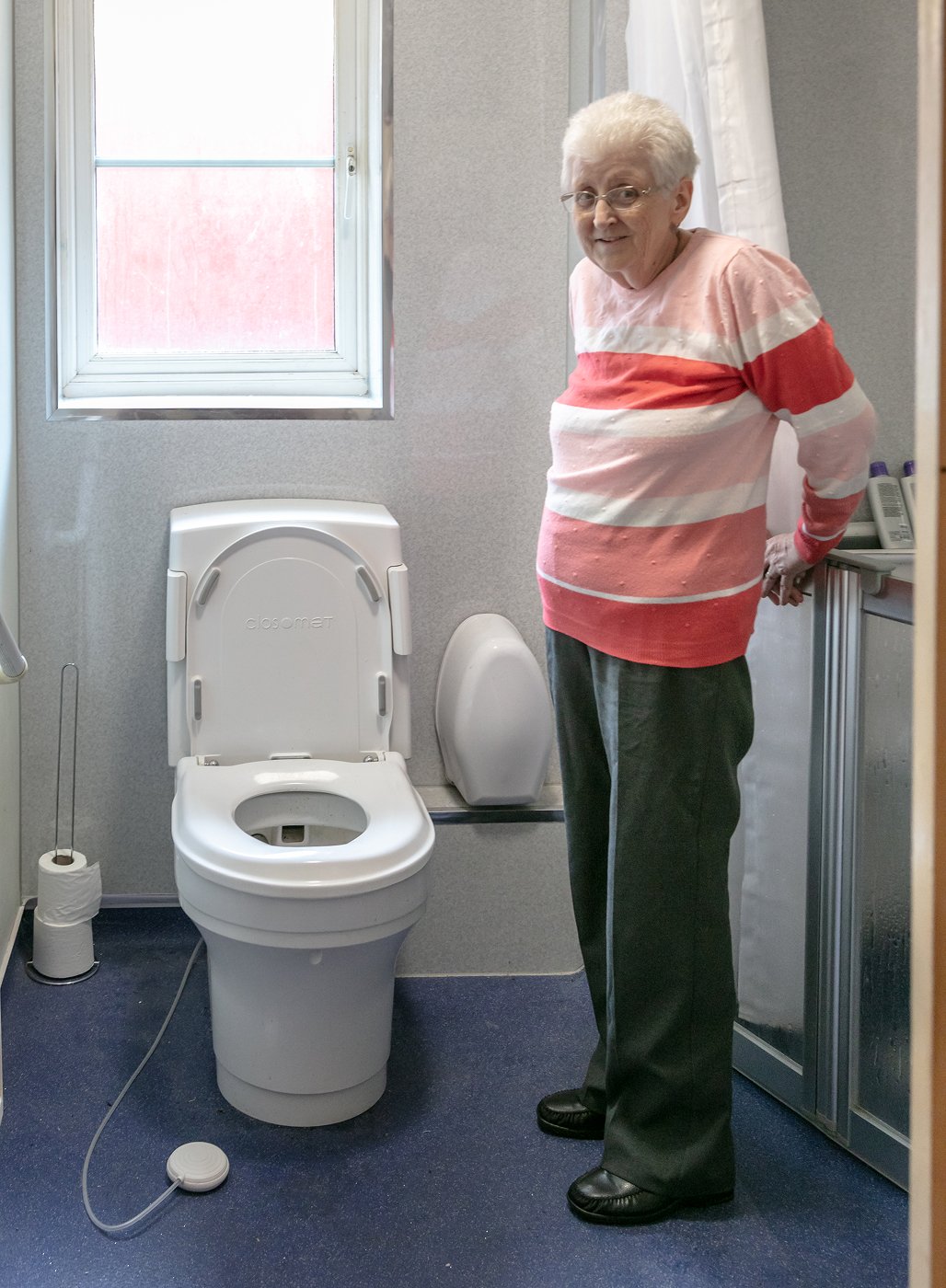
Older woman standing beside a wash and dry toilet in her bathroom

What functional outcomes can you expect?

Any intervention must demonstrate clear gains. In toileting, that means measurable improvements in independence, safety, and sustainability.

A wash and dry toilet directly enables:

1
Completion of the full toileting task without assistance
2
Reduced or eliminated need for intimate care
3
Consistent hygiene outcomes and improved skin integrity
4
Lower falls risk by removing unstable reaching
5
Improved dignity, privacy, and confidence

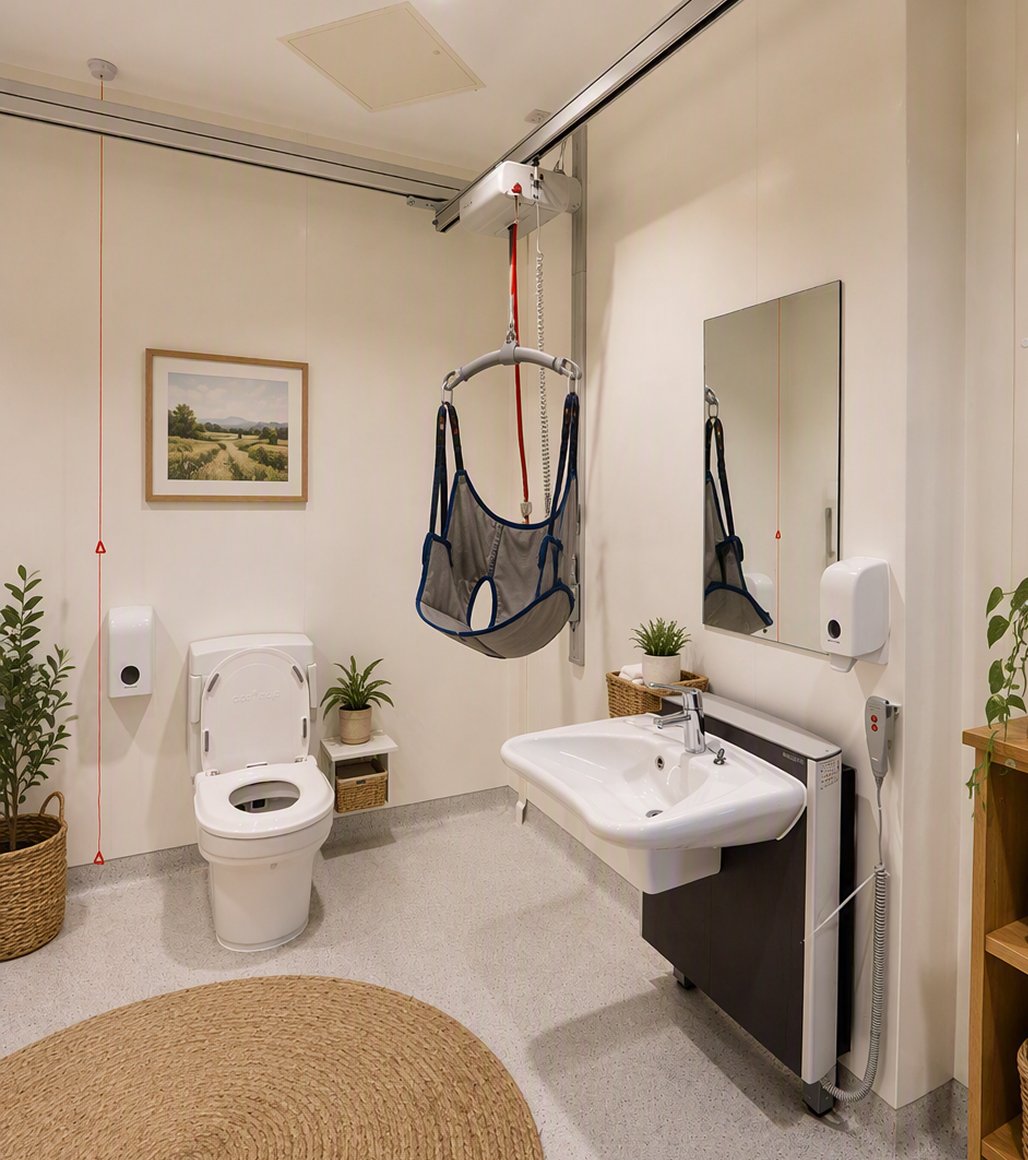
Accessible bathroom with a wash and dry toilet, basin and ceiling hoist

How does this reduce clinical risk?

If a patient cannot wipe effectively, risk increases across multiple domains.

You are managing:

1
Infection and skin breakdown from incomplete hygiene
2
Falls from unsafe positioning or overreaching
3
Carer strain from repetitive intimate handling
4
Emotional impact linked to loss of dignity

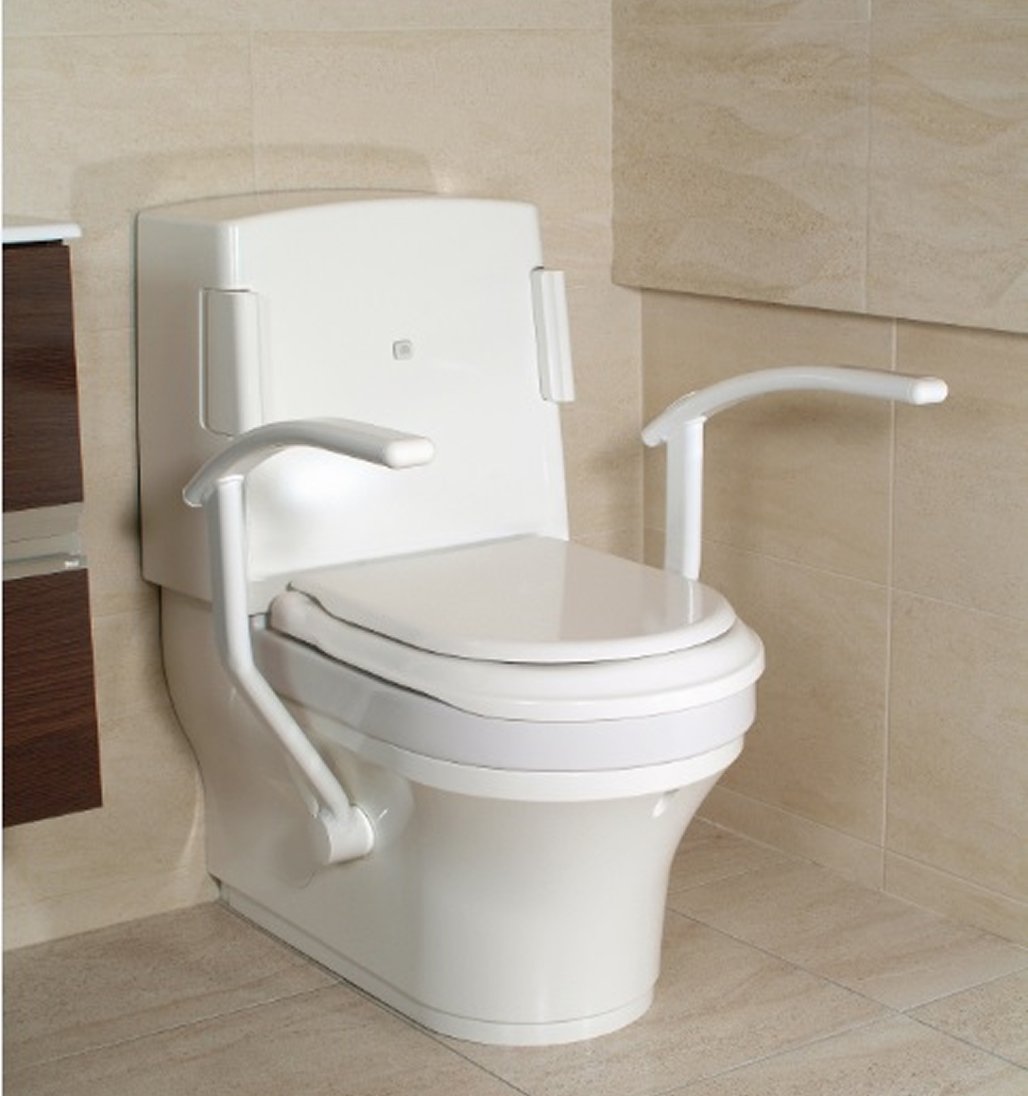
Wash and dry toilet with fold-down support arms

Is the investment justified?

The key question many services ask is not whether the equipment works, but whether it delivers value over time.

Toileting is a daily, lifelong activity. The real cost sits in ongoing care, not the intervention itself.

A successful solution can:

1
Reduce or remove ongoing care input
2
Prevent secondary health complications
3
Avoid escalation of care packages
4
Enable individuals to remain safely at home

How do you decide if a wash and dry toilet is appropriate?

Where exactly is the toileting sequence failing?

What risk does that failure introduce?

Can adaptation solve it, or does the task need replacing?

When wiping is no longer viable, a wash and dry toilet often becomes the most direct and effective intervention.

The functional problem

Is hygiene incomplete, unsafe, or carer-dependent?

The clinical risk

Is there exposure to infection, falls, or deterioration?

The environmental context

Will the solution integrate with transfers, layout, and existing equipment?

The long term need

Will this still work as the condition progresses or fluctuates?

Why do Occupational Therapists specify Closomat?

1
Clinical-focused design for neurological and mobility conditions
2
Predictable, repeatable hygiene outcomes
3
Adaptable seating, controls, and accessories as needs change
4
End-to-end support from assessment through to servicing

Start a Specification

What should you do next?

If toileting independence has broken down, the priority is to move from understanding to action.

Start with a structured specification that:

1
Aligns the intervention to functional need
2
Clearly defines the risks being mitigated
3
Demonstrates measurable outcome improvements