Overview

The range of congenital disorders is vast, as is the impact they can have on the person.  For example, a cleft palate and Spina Bifida are both congenital disorders but with very different impacts on long-term health and wellbeing, as well as functional independence or childhood development.

Although many congenital disorders can be treated successfully, those that impact on neurology, skull and brain formation are likely to have a life-long impact, requiring a combination of carer support, equipment and an environment that supports independence, dignity, and risk management.
Particular effects of congenital conditions can include

  • Limb differences: Short, absent, or malformed arms and/or legs
  • Hand and digit abnormalities: Missing or fused fingers, poor grip function
  • Shoulder and hip joint issues: Reduced range of movement, instability
  • Associated medical problems: Hearing loss, vision problems, and organ malformations in some cases
  • Chronic pain and arthritis: Early onset secondary conditions due to years of compensatory movements.
  • Altered balance and/or gait: Particularly where there are spinal or lower limb joint changes

Functional Toileting Challenges:

1
Limited grip strength or dexterity for operating flush, buttons or wiping
2
Difficulty transferring on and off the toilet
3
Reduced reach or balance for clothing management and hygiene
4
Increased risk of falls, due to instability when prostheses are removed
5
Fatigue from compensatory strategies and long-term musculoskeletal strain

Impacts:

Incomplete hygiene tasks

Higher risk of skin issues and infection

Dependence on carers

Can lead to greater reliance on support for personal hygiene tasks, increasing the care burden

Safety risks

Reduced balance increases vulnerability to falls and slips, causing further injury

Reduced dignity

Loss of independence can cause distress and reduced self-esteem

How our products help those with Congenital Conditions

FEATURE WHY IT HELPS
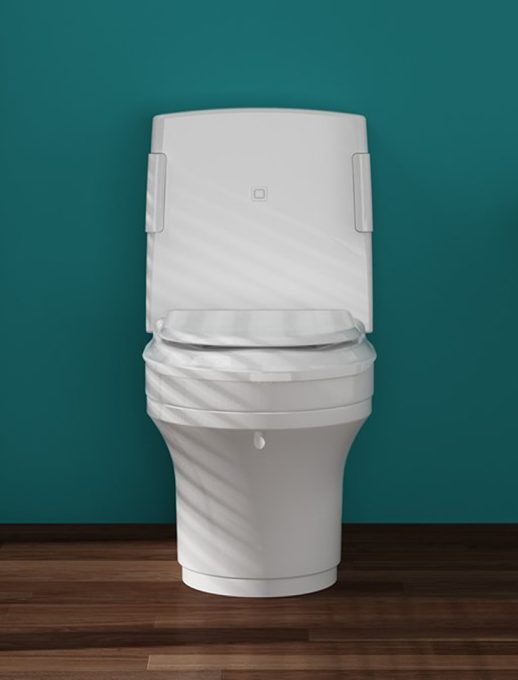
Palma Vita Wash and Dry Toilet Provides improved hygiene, comfort and independence with integrated washing and drying functions, reducing the need for assistance and supporting accessibility.
Integrated fold-down support arms Improves physical safety when using the toilet, especially if mobility impaired
Adult soft seat Provide additional comfort and reduce the pain of sitting for long periods. The Closomat can be supplied with a choice of soft feel seats that are navy blue in colour
(Infrared) Remote control Enables carers to initiate wash and dry function discreetly if individual can no longer manage
Douche (standard) Supports personal hygiene and cleanliness, helping users maintain independence and comfort during toileting.
Closomat wash and dry toilet in a modern bathroom with a teal wall

Priority specification

Foundational

The Closomat Palma Vita, easy to use infrared remote control

Moderate

Integrated fold-down support arms 

Complex

Unique seating or transfer needs

Sample specification wording

The individual presents with congenital limb difference resulting in absent upper limbs and limited reach. Manual wiping is not possible, creating risk of poor hygiene, infection and heavy carer dependence. A Closomat Wash and Dry Toilet with automatic, hands-free wash and drying, integrated fold-down support arms and accessible controls is essential to enable safe, independent toileting and preserve dignity.

Final checks

Are the chosen controls for the toilet compatible with the individual’s hand function
Consider customisable options for the individual to improve safety and comfort

Download the specification

Wash and dry toilet specification for congenital conditions, with the recommended features and clinical justification.

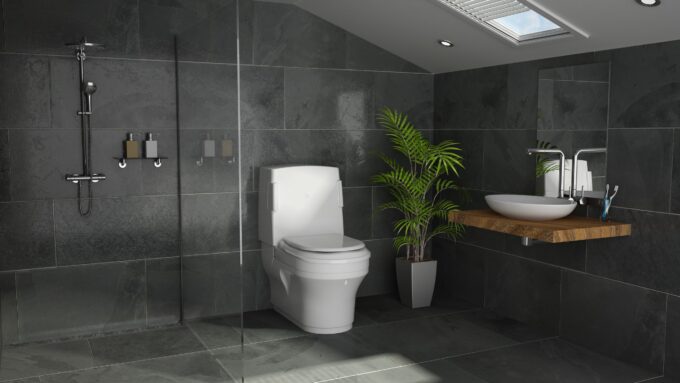
Closomat wash and dry toilet in a modern bathroom with dark grey tiles
Our Toilets

The Vita Range for Occupational Therapists

Closomat’s Vita Range has been developed specifically to support safe, dignified and independent toileting for disabled and older people.