Factors to consider when assessing a client’s needs
When assessing clients who are unable to toilet independently, or who have difficulty cleaning themselves after toileting, a wash and dry toilet is often specified to ensure an appropriate level of hygiene.
A critical part of this assessment is the selection of the correct toilet seat. The seat is the primary interface between the client and the clinical function of the toilet. If it is incorrectly specified, it may reduce the effectiveness of the wash and dry functions and may also be uncomfortable or unsafe for the client.
This guidance explains why correct seat selection matters, outlines the clinical principles that underpin effective seating, and describes the different seat types available to support safe, comfortable and effective toileting.
How important is the correct choice of toilet seat?
After the wash and dry function itself, seat selection is one of the most important specification considerations. The correct seat ensures that the client is:
- Comfortable
- Seated safely
- Correctly positioned over the douche arm
The impact of seat choice can be understood across three key areas:
Anatomical access
The seat must facilitate separation of the gluteal muscles. If a client with a higher body mass sits on a seat that is too narrow, the buttocks may be pressed together. This can prevent the water stream from reaching the anus and reduce wash effectiveness.
Stability and tone
Clients with high muscle tone or poor trunk control require a stable seating base. If a client is slipping or exerting effort to remain upright, pelvic position can shift during use and the wash stream may miss the target area.
Tissue viability
Clients who spend extended periods on the toilet, such as during bowel management routines, are at increased risk of pressure damage. A standard hard seat can lead to rapid skin breakdown, particularly where tissue viability is already compromised.
The clinical view
Within Occupational Therapy practice, there is broad consensus that toilet seats should be prescribed based on functional anthropometrics, meaning the client’s body shape and size, rather than visual appearance.
Key clinical considerations include:
Infection control
A central clinical aim is the elimination of residual soiling. If the seat does not allow the wash to penetrate effectively, faecal matter can remain on the skin. This increases the risk of urinary tract infections and skin excoriation.
Safety standards
For bariatric clients, standard domestic toilet seats may present a significant fall risk. The seat must be rated to support the client’s body weight in addition to the dynamic forces generated during transfers.
Pelvic positioning
The accepted ‘gold standard’ position for toileting is hips, knees and ankles positioned at approximately 90 degrees. The seat aperture must support the ischial tuberosities while allowing the gluteal shelf to open sufficiently for effective cleaning.
Types of toilet seats available
A range of specialist toilet seats is available, each designed to meet specific clinical needs:
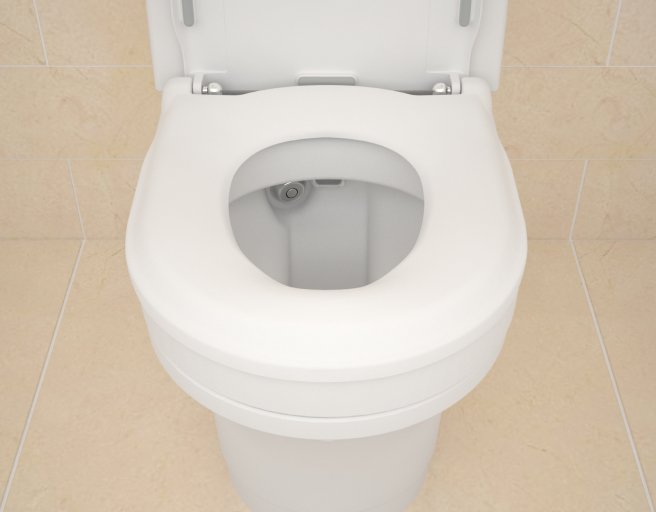
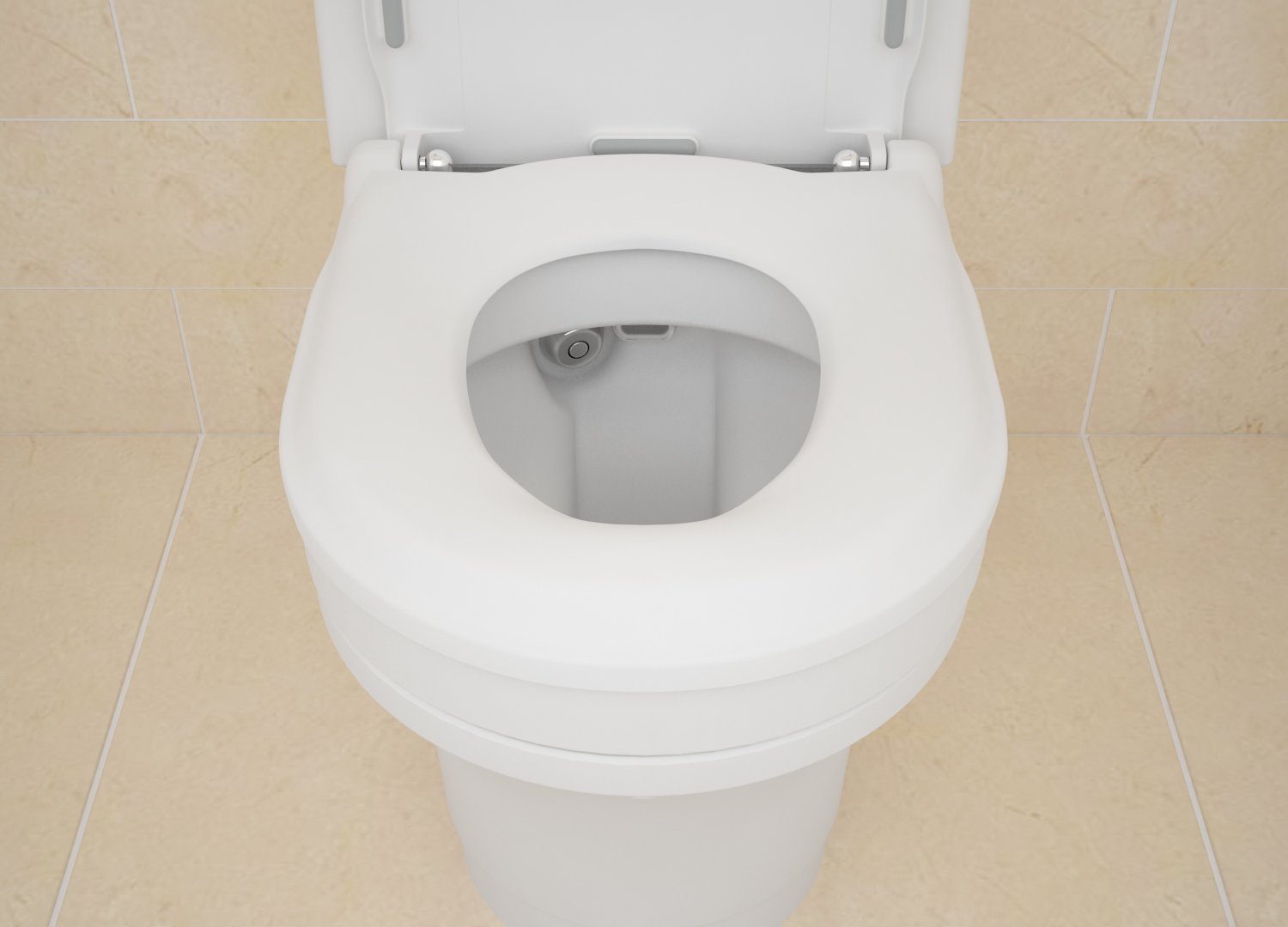
Standard seat
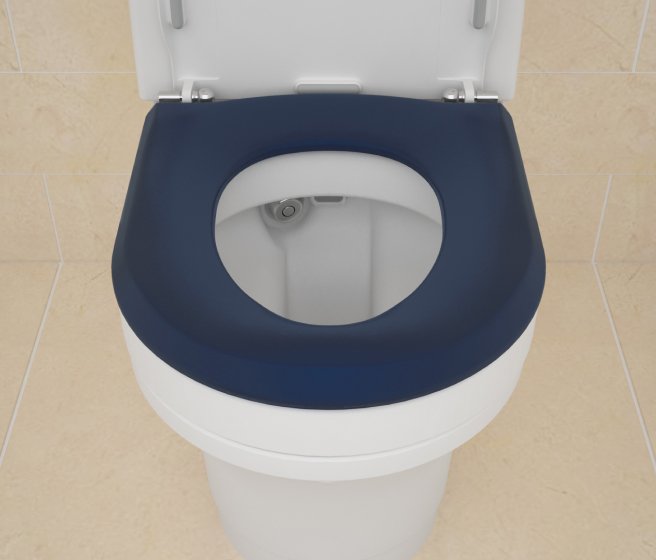
Soft seat
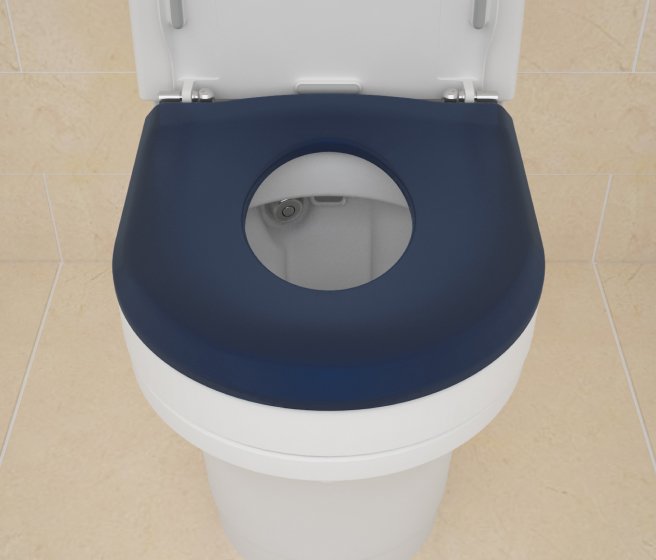
Paediatric / small aperture seat
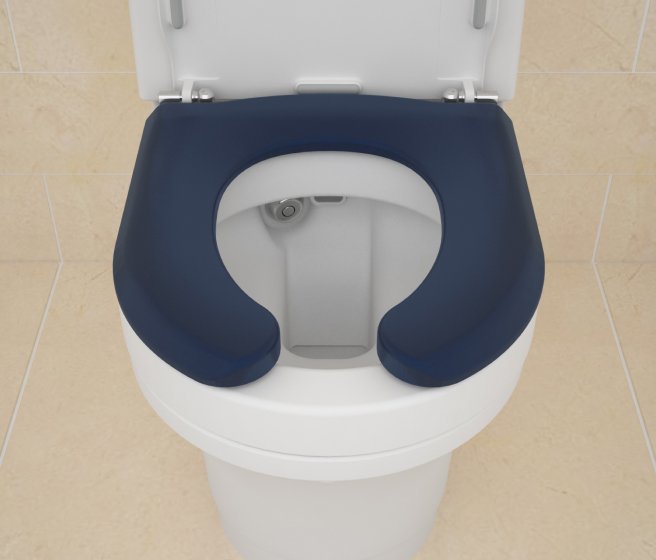
Open-fronted (horseshoe) seat
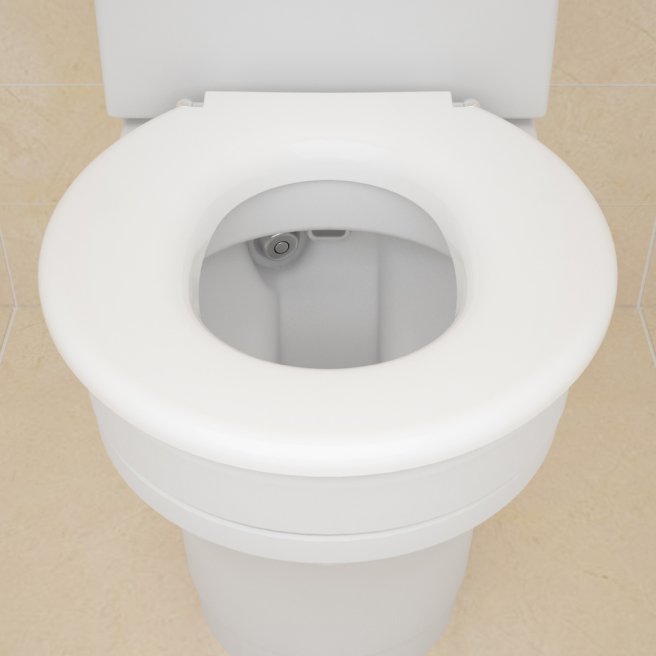
Bariatric seat (e.g. Big John)
Assessment considerations
When assessing a client for a wash and dry toilet, the following considerations can support effective seat selection:
Gluteal spread
Observe or simulate the client’s seated position. If the buttocks are pressed together, a wider or bariatric seat may be required to mechanically separate the cheeks and allow effective wash penetration.
Pelvic tilt and posture
A posterior pelvic tilt or slumped posture may direct the wash stream towards the coccyx rather than the anus. In these situations, a soft seat may help encourage a more upright position. In some cases, additional wash adaptations may be required.
Shower chair compatibility
Where future use of a shower chair is anticipated, it is important to check that the bowl and seat configuration will allow appropriate positioning over the toilet.
Tissue viability risk
Where a client presents with a medium or high risk on a Waterlow assessment, a soft seat should be considered a clinical requirement rather than an optional comfort feature.
Transfer method
Consider how the client transfers onto the toilet:
Side transfers: The seat must provide sufficient lateral stability, with robust buffers to prevent sideways movement during slideboard transfers.
Hoist transfers: The seat aperture must align with sling positioning so the client lands correctly over the douche arm.
Summary for Occupational Therapists
Correct toilet seat selection is a fundamental part of specifying a wash and dry toilet. By assessing each client’s anatomical, functional and clinical needs against the available range of seats, Occupational Therapists can support safe positioning, effective washing and improved comfort.
Appropriate seating helps ensure that wash and dry toilet systems deliver consistent hygiene outcomes while supporting dignity and long-term wellbeing.