Global Developmental Delay

Overview

According to Contact, a UK charity supporting families with disabled children, around 1-3% of children in the UK are affected by GDD, making it one of the most common reasons for developmental support referrals.
Functional Toileting Challenges:

1
Delayed toilet training due to slower physical, cognitive or communication development
2
Difficulty recognising the stimuli giving the urge to need the toilet, understanding toileting routines or communicating needs
3
Postural instability, or reduced mobility, affecting transfers and balance on the toilet
4
Sensory sensitivities, which can make toilet environments overwhelming
5
Difficulty with hygiene tasks due to fine motor delays or lack of sequencing skills
6
Inconsistent progress with toileting, periods of regressing during illness or developmental changes

Impacts:

Incomplete hygiene tasks

Delays in skills development or physical ability can lead to ineffective cleaning and increases the risk of skin irritation and infection

Dependence on carers

Ongoing support may be required for toileting and hygiene tasks, placing demands on parents or carers

Safety risks

Poor balance, lack of awareness or ability to risk assess can increase the risk of falls or unsafe use of the equipment

Reduced dignity

Fluctuating ability can lead to frustration, embarrassment or anxiety if unable to toilet independently, particularly in school or social settings

How our products help those with Global Developmental Delay

FEATURE WHY IT HELPS
Palma Vita Wash and Dry Toilet Provides improved hygiene, comfort and independence with integrated washing and drying functions, reducing the need for assistance and supporting accessibility.
Integrated fold-down support arms Improves physical safety when using the toilet, especially if mobility impaired
Adult soft seat Improve recognition and location of the toilet as blue seat option provides a strong, clean colour contrast against mainly white bathroom
Touch sensitive hand/foot switch Makes it easier to recognise and use without complex instructions
(Infrared) Remote control Enables carers to initiate wash and dry function discreetly if individual can no longer manage
Douche (standard) Supports personal hygiene and cleanliness, helping users maintain independence and comfort during toileting.
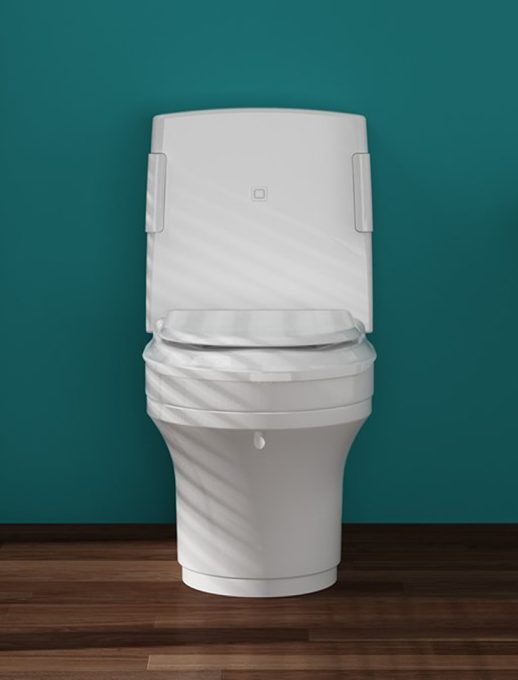
Closomat wash and dry toilet in a modern bathroom with a teal wall

Priority specification

Foundational

The Closomat Palma Vita with touch sensitive hand/foot switch and soft seat

Moderate

Integrated fold-down support arms

Complex

Infrared remote control for carers to trigger flushing, douching and drying process

Sample specification wording

The child has global developmental delay, affecting physical coordination, communication and toileting skills. The child is also non-verbal and experiences significant balance difficulties. The child is unable to manage wiping and hygiene tasks independently and requires a structured, accessible toileting environment to support skill development. A Closomat Wash and Dry Toilet with touch sensitive hand/foot switch for automatic wash and drying with soft seat option and integrated fold-down support arms will improve hygiene, promote independence and reduce carer input over time. It also provides a safer solution for both the child and carers by enabling thorough cleaning while seated, reducing the risk of accidents and improving hygiene.

Final checks

Ensure controls can be operated by the child for added independence
Consider if the equipment is appropriately sized and adaptable to accommodate growth and development changes
Plan for regular reviews as child’s needs and abilities evolve over time

Download the specification

Wash and dry toilet specification for global developmental delay, with the recommended features and clinical justification.

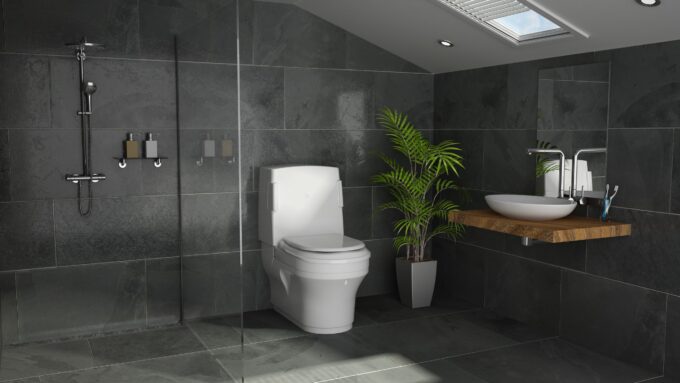
Closomat wash and dry toilet in a modern bathroom with dark grey tiles
Our Toilets

The Vita Range for Occupational Therapists

Closomat’s Vita Range has been developed specifically to support safe, dignified and independent toileting for disabled and older people.