How the MOHO model and bathroom adaptations helped Mrs H, 82, reduce her falls risk.
Background
Mrs H was an 82-year-old woman living alone in a two-bedroom bungalow following the death of her husband three years earlier. She had a diagnosis of osteoarthritis, early vascular dementia, reduced vision linked to macular degeneration, and a history of recurrent falls, including two falls within six months that had resulted in prolonged periods on the floor.
Mrs H was referred to occupational therapy following a hospital admission caused by a night-time fall while attempting to access the bathroom. Although no fracture occurred, she experienced a significant reduction in confidence afterwards and began limiting her daily activities. Her daughter reported that Mrs H had stopped preparing meals independently, avoided bathing, and had become reluctant to leave the house due to fear of falling again.
The referral specifically requested assessment of the home environment and consideration of major adaptations under the Disabled Facilities Grant (DFG) framework.
Occupational Therapy Assessment Using MOHO
The Model of Human Occupation (MOHO) provided the framework for assessment and intervention planning.
MOHO considers the interaction between:
- Volition (motivation, values, interests)
- Habituation (roles, routines, habits)
- Performance capacity (physical and cognitive abilities)
- Environment (physical, social, cultural, and occupational context)
The assessment identified that Mrs H’s falls risk could not be attributed solely to physical decline. Instead, there was a significant mismatch between her changing functional abilities and the demands of her home environment.
Volition
Mrs H described herself as “independent all my life” and expressed a strong desire to remain living in her own home. She valued privacy, dignity, and maintaining her morning and evening routines without relying heavily on family support.
However, following her recent falls, her confidence had reduced considerably. She reported fear when mobilising at night and anxiety about bathing independently. This fear had begun affecting occupational participation, with Mrs H withdrawing from previously meaningful activities including gardening and attending her local church group.
The occupational therapy assessment recognised that preserving autonomy and confidence was as important as reducing physical risk.
Habituation
Mrs H had well-established routines developed over many years. These included independently preparing breakfast, bathing in the evening, and accessing the garden daily.
The assessment identified several habitual patterns that unintentionally increased falls risk:
- Mobilising at night without switching on main lights to avoid “wasting electricity”
- Using furniture for support rather than walking aids
- Wearing loose-fitting slippers with limited grip
- Carrying items while mobilising
- Avoiding use of existing grab rails because they “looked clinical”
These routines highlighted the importance of balancing risk reduction with dignity, familiarity, and occupational identity.
Performance Capacity
The assessment identified:
- Reduced lower limb strength
- Poor balance during turning and transfers
- Reduced visual contrast sensitivity
- Difficulty distinguishing floor level changes
- Slowed processing speed at night
- Pain associated with osteoarthritis
- Fatigue linked to disrupted sleep
Functional assessment demonstrated that Mrs H’s performance significantly deteriorated in low-light environments, particularly during night-time toileting.
The occupational therapist identified that the physical environment was placing excessive demand on Mrs H’s sensory and physical abilities.
Environmental Assessment
The environmental assessment identified multiple hazards contributing to falls risk.
These included:
- Dark flooring throughout the hallway and bathroom
- Minimal contrast between walls, floors, and sanitaryware
- Gloss flooring surfaces causing glare
- Poorly positioned lighting creating shadowing
- A raised threshold between the hallway and bathroom
- Slippery vinyl flooring in the bathroom
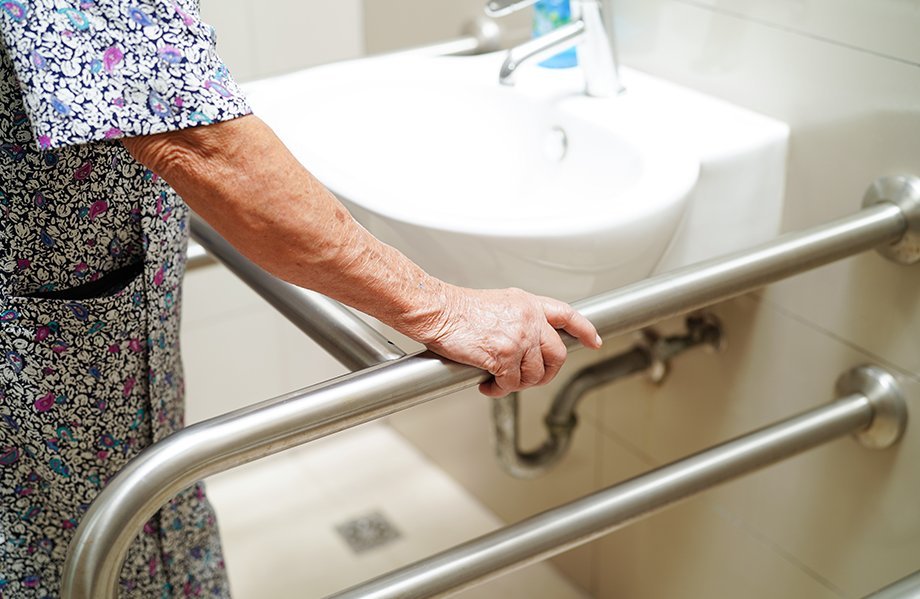
- Limited support rails during transfers
- Cluttered furniture layout restricting safe mobility
- Lack of accessible seating for rest breaks
The bathroom presented the highest level of risk, particularly during night-time access.
Intervention and Environmental Adaptation
The occupational therapist developed a person-centred intervention plan focused on improving safety while maintaining independence and occupational participation.
Task Lighting
Targeted task lighting was introduced throughout key mobility areas.
This included:
- Motion-sensor LED lighting along the route from bedroom to bathroom
- Illuminated light switches
- Low-level night lighting to reduce glare and shadowing
- Directed task lighting at transfer and activity points
Lighting selection considered Mrs H’s reduced visual contrast sensitivity and age-related visual changes. The aim was to improve depth perception, reduce shadowing, and support safer orientation at night.
Colour Contrast and Light Reflective Values (LRVs)
Environmental colour contrast was reviewed using Light Reflective Values (LRVs) to improve visual and cognitive orientation.
Adaptations included:
- Contrasting skirting boards against flooring
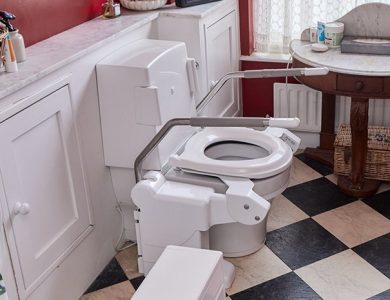
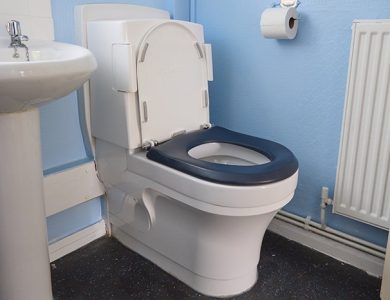
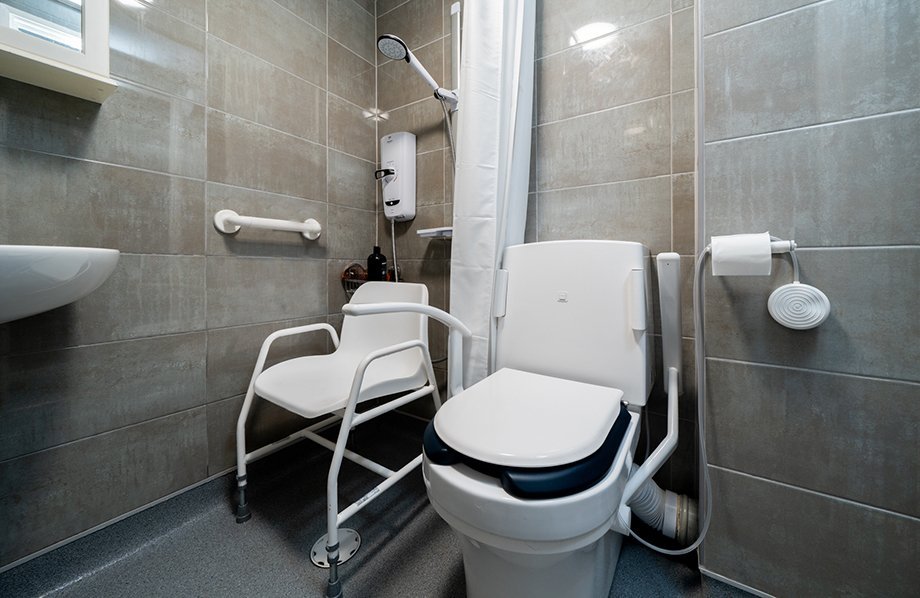
- A toilet seat with a significantly different LRV to surrounding sanitaryware
- Contrasting grab rails
- Replacement of visually confusing patterned flooring
- Improved contrast between doors, walls, and floors
These changes supported safer navigation by helping Mrs H distinguish surfaces, edges, and functional features more easily.
The occupational therapist explained that poor contrast can make environments appear visually “flat” for people with visual or cognitive impairment, increasing trips and misjudged transfers.
Slip Resistant Flooring
The bathroom flooring was replaced with Class C slip-resistant vinyl flooring.
This was recommended due to:
- Increased falls risk during wet transfers
- Previous near misses while exiting the bath
- Reduced balance reactions
- Anxiety linked to slipping
The flooring was selected to balance slip resistance with the ability to safely mobilise using walking aids. Excessively resistant flooring can sometimes increase fatigue or trip risk for older adults, so careful specification was required.
Adaptations Under the Disabled Facilities Grant
Several recommendations were identified as necessary and appropriate under the DFG framework.
These included:
- Conversion of the existing bathroom into a level-access shower room
- Installation of appropriately positioned grab rails
- Removal of thresholds
- Widening of bathroom access
- Improved circulation space
- Safer access to the property entrance
- Handrails to external pathways
- Wash and dry toilet
The recommendations were supported by clear occupational therapy clinical reasoning linked to:
- Falls prevention
- Independence with personal care
- Reduced reliance on carers
- Safer transfers and mobility
- Prevention of hospital admission
- Long-term sustainability of the home environment
Outcomes
Following completion of the adaptations, Mrs H demonstrated significant improvements in occupational performance and confidence.
Outcomes included:
- No further falls reported within 12 months
- Independent access to the bathroom at night
- Resumption of bathing routines
- Increased confidence mobilising indoors
- Reduced fear of falling
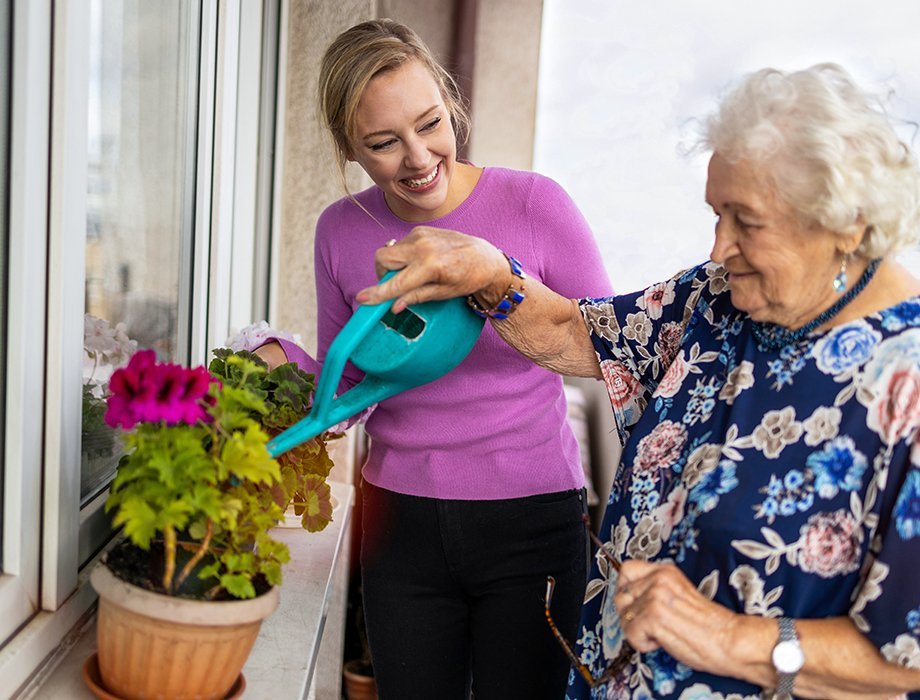
- Improved engagement in meal preparation and gardening
- Reduced reliance on family support
Mrs H described the changes as:
I feel like my house works with me now instead of against me.
Conclusion
This case study demonstrates how MOHO can support holistic occupational therapy assessment and intervention planning in falls management.
Rather than focusing solely on physical deficits, the occupational therapist considered the interaction between Mrs H’s motivation, routines, abilities, and environment. The resulting adaptations addressed not only safety, but also dignity, confidence, occupational participation, and quality of life.
Environmental interventions such as task lighting, colour contrast, slip-resistant flooring, and accessible bathroom design can significantly reduce falls risk when grounded in person-centred occupational therapy assessment and supported by evidence-based practice and legislative frameworks such as the Disabled Facilities Grant.