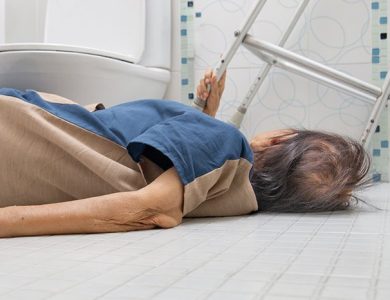
How falls affect occupation, and the role the environment plays, from The OT Service.

Written by The Occupational Therapy Service for Closomat
Falls are often discussed in terms of injury prevention, statistics, or hospital admissions, but for occupational therapists they represent something much broader. A fall is frequently a sign that the relationship between a person, their environment, and the occupations they undertake is beginning to break down. The consequences can extend far beyond bruises or fractures, affecting confidence, identity, independence, and quality of life
For healthcare professionals working across community rehabilitation, housing, social care, acute services, and care environments, understanding the environmental impact on falls is essential. While intrinsic factors such as frailty, muscle weakness, neurological conditions, and cognitive impairment all contribute to falls risk, the environment often determines whether a person remains safe, becomes injured, or experiences a prolonged and traumatic recovery.
The World Health Organization defines a fall as “an event resulting in a person inadvertently coming to rest on the ground or a lower level.” From an occupational therapy perspective, however, falls are rarely isolated incidents. They are often the result of multiple interacting factors, including reduced mobility, sensory impairment, fatigue, environmental barriers, and the demands of the activity being undertaken.
Environmental factors remain one of the most modifiable aspects of risk. Poor lighting, uneven flooring, loose rugs, cluttered access routes, poorly positioned furniture, inaccessible bathrooms, and unsafe stairs can all significantly increase the likelihood of a fall occurring. These hazards become even more problematic where individuals are also managing pain, reduced balance, fatigue, dizziness, cognitive impairment, or urgency associated with continence issues.
Bathrooms and bedrooms present particular challenges. Night-time toilet use, reduced visibility, rushed transfers, slippery surfaces, and confined spaces all combine to create high-risk situations. Occupational therapists frequently identify that the issue is not one single hazard but the cumulative impact of multiple small environmental barriers that increase cognitive and physical load during everyday tasks.
Importantly, falls are not solely physical events. The psychological consequences can be profound. A single fall may lead to fear of falling, reduced confidence, avoidance of activity, and social withdrawal. This is commonly referred to as post-fall syndrome, a condition characterised by persistent anxiety about falling again and a resulting reduction in mobility and participation.
For many people, this fear creates a damaging cycle. Reduced activity leads to physical deconditioning, muscle weakness, and loss of balance, which in turn increases the likelihood of further falls. Individuals may stop accessing the community, reduce social contact, or avoid occupations that previously gave structure and meaning to their lives. Over time, occupational deprivation and dependence can develop rapidly.
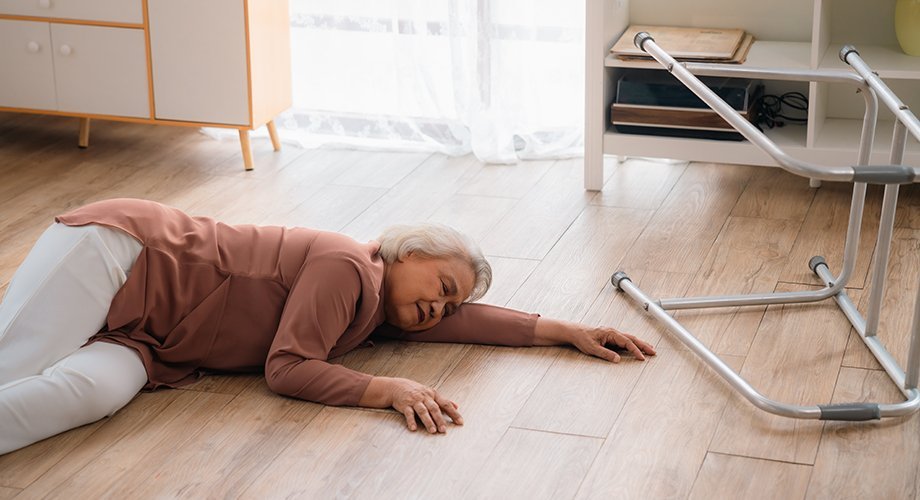
One of the most serious consequences following a fall is a prolonged period spent on the floor, often referred to as a “long lie”. Traditionally, a long lie is described as remaining on the floor for more than one hour following a fall, although occupational therapists increasingly recognise that the impact of helplessness, distress, and inability to recover may begin much earlier, during a delayed initial recovery which can be anything after 10 minutes.
The physical consequences of a long lie can be severe. Pressure injuries, dehydration, hypothermia, muscle breakdown, respiratory complications, and hospital admission are all well documented. For frail individuals, even short periods of immobility can result in rapid deterioration. Muscle loss can occur quickly, significantly affecting future mobility and rehabilitation potential.
However, the emotional impact is equally important. Being unable to get up following a fall can leave individuals feeling frightened, vulnerable, embarrassed, and powerless. These experiences often remain with the person long after physical recovery and can significantly alter future occupational engagement.
This is why occupational therapy intervention should extend beyond falls prevention alone. Evidence increasingly demonstrates that falls cannot always be prevented entirely, particularly within ageing populations and amongst people living with complex long-term conditions. Consequently, the response to a fall becomes just as important as the attempts to prevent one.
Occupational therapists are uniquely placed to address both environmental risk reduction and post-fall management. Through detailed activity analysis, therapists can identify where breakdown occurs during everyday occupations and recommend targeted adaptations or interventions.
Environmental adaptation remains one of the most effective preventative strategies available. Simple interventions such as improved lighting, removal of trip hazards, installation of grab rails, safer flooring, bed height adjustments, stair adaptations, and accessible bathroom design can significantly improve safety and confidence. These interventions are not solely about risk reduction; they are also about enabling continued participation in meaningful occupations.
Professional guidance supports this approach; NICE Guideline NG249 on falls assessment and prevention emphasises the importance of comprehensive, multifactorial assessment that considers environmental factors, functional ability, confidence, and quality of life. Similarly, Approved Document K of the Building Regulations provides important environmental standards relating to stairs, ramps, guarding, and protection from falls.
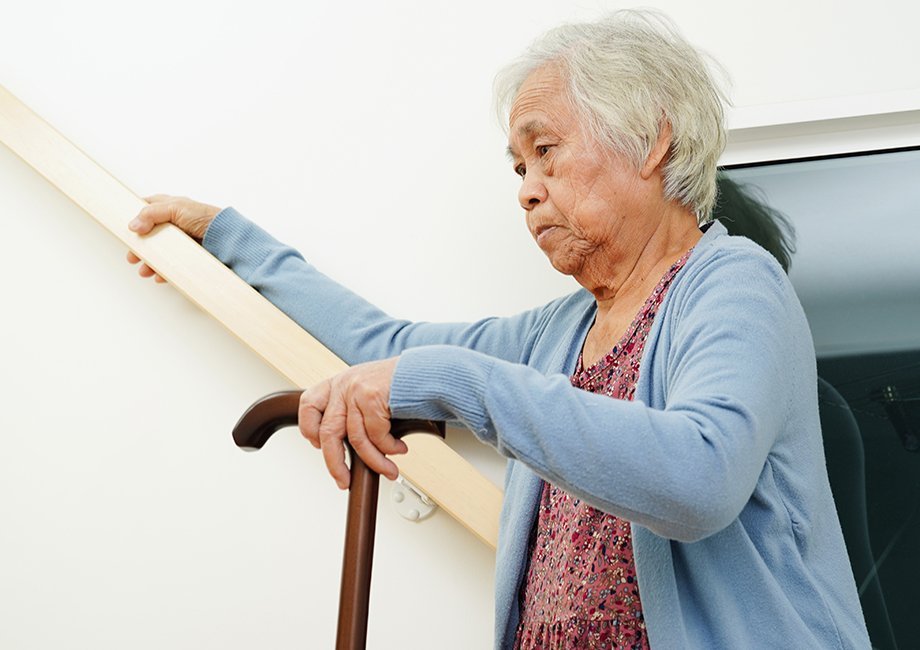
Occupational therapists also work within the wider framework of the Care Act 2014, which places wellbeing, dignity, autonomy, and participation at the centre of decision making. This is particularly important when balancing safety with independence. A purely risk-averse approach can unintentionally reduce activity levels and increase dependency. Instead, occupational therapists advocate for proportionate risk management that supports safe participation rather than unnecessary restriction.
The role of occupational therapists also includes education and rehabilitation. Teaching individuals how to recover safely from the floor, where appropriate, can improve resilience and confidence. Supporting carers and healthcare staff with moving and handling guidance, falls recovery planning, and environmental understanding is equally important.
Falls also have significant implications for the wider health and social care system. Increased ambulance callouts, avoidable hospital admissions, delayed discharges, and escalating care needs place substantial pressure on services. Winter months further intensify these pressures due to reduced daylight, poor weather conditions, and increased frailty associated with illness.
Occupational therapists are increasingly involved in community pathways designed to reduce avoidable admissions and improve post-fall outcomes. Housing adaptations, rapid response services, rehabilitation pathways, and integrated falls management services all demonstrate the value of occupational therapy-led intervention.
Ultimately, the environment can either act as a barrier that increases risk and dependence or as an enabler that supports safety, confidence, and occupational participation. Falls practice therefore requires more than identifying hazards; it requires understanding how people live, move, function, and engage within their environments.
For occupational therapists and wider healthcare professionals, this means recognising that effective falls management is not simply about preventing injury. It is about protecting dignity, supporting independence, reducing occupational disruption, and enabling people to continue participating in the activities that matter most to them.