Need a safe toileting solution for a higher-weight user or complex presentation where standard equipment is failing? Closomat bariatric systems provide reinforced seating, stable positioning, and powered transfer support. They reduce falls risk, prevent equipment failure, minimise manual handling, and enable dignified, sustainable toileting.
Bariatric Solutions
How do you deliver safe, reliable toileting when standard equipment is no longer fit for purpose?
When does standard toileting equipment stop being safe?
Standard solutions often fail quietly before they fail visibly.
Does the current setup safely support the user’s weight, stability, and movement?
If not, you will typically see:
- Equipment instability or visible strain
- Unsafe or inefficient transfers
- Increased reliance on carers for positioning
- Manual handling risks escalating
- Reduced confidence and dignity during toileting
At this point, the risk is not just functional, it is structural.
How do you create a toileting environment that is stable, durable, and clinically safe under higher load conditions?
Why is bariatric toileting a different clinical challenge?
Higher body weight changes both the physical and functional demands of toileting.
You are not just supporting a task. You are managing:
- Increased load across all equipment surfaces
- Greater force during transfers
- Higher consequences if stability fails
- Increased risk to both user and carer
A standard solution may still “work” temporarily, but it does not provide the safety margin required for long term use. Bariatric solutions address this by introducing load certainty, reinforced stability, and predictable performance.
What outcomes should a bariatric solution achieve?
For Occupational Therapists, the goal remains the same: safe, independent, repeatable function.
A properly specified bariatric system delivers:
- Safe, stable toileting without equipment compromise
- Reduced risk of structural failure or collapse
- Lower manual handling demand for carers
- Improved user confidence and dignity
- Reliable performance in high-use or high-dependency environments
This is not simply about weight capacity.
It is about clinical safety under sustained demand.
How do Closomat bariatric solutions change the task?
Instead of adapting standard equipment beyond its limits, bariatric systems solve the problem directly.
They:
- Reinforce all load-bearing elements
- Improve seating stability and positioning
- Support safe transfers through structural design or powered assistance
- Maintain performance consistency over time
The result is a toileting system that performs reliably, regardless of user demand.
Which bariatric solution do you need?
The right solution depends on where the task is failing: seating stability, load capacity, or transfer safety.
How do you improve seating stability and positioning?
Closomat Bench
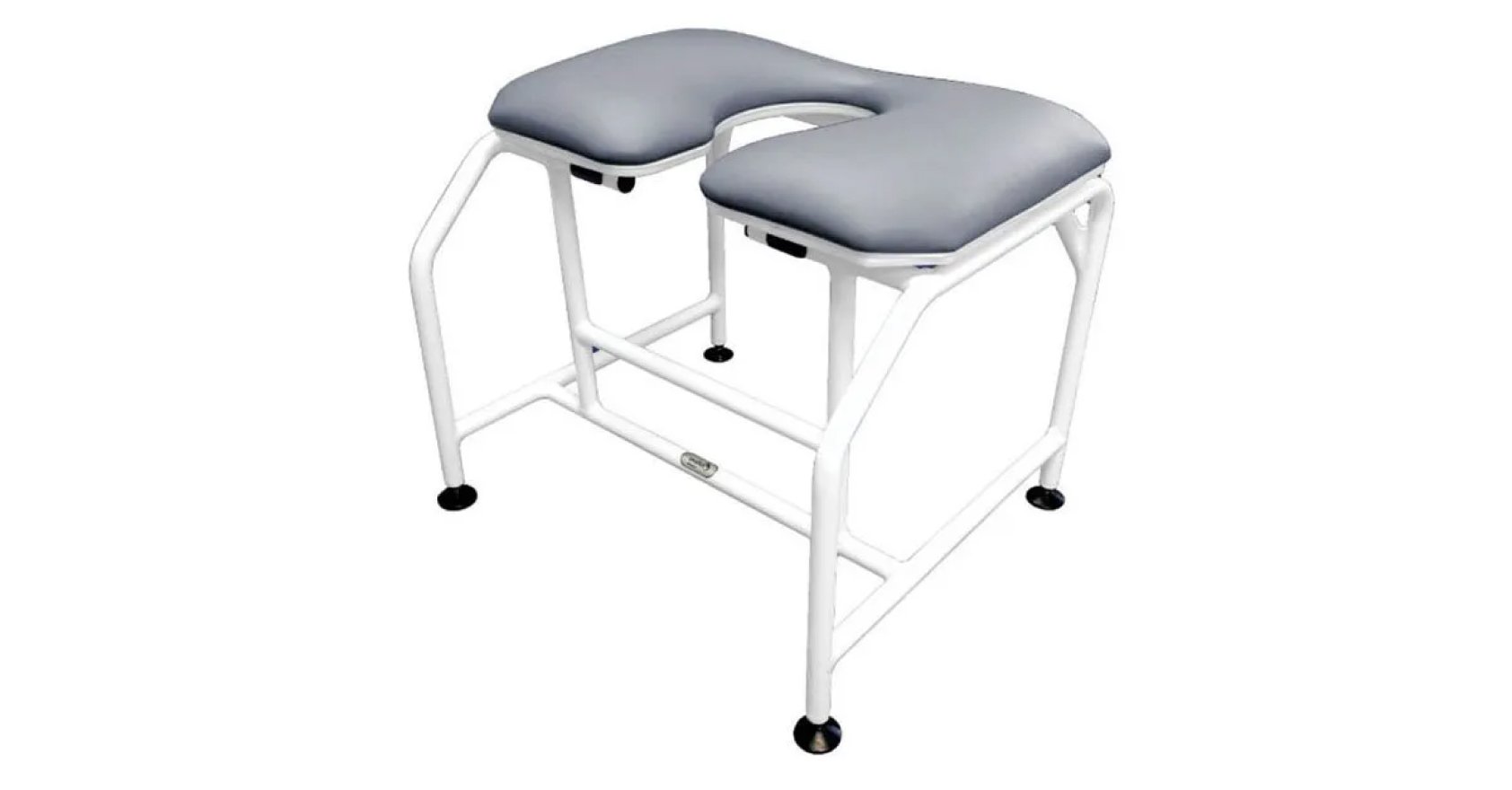
What if the user cannot sit safely or comfortably on a standard toilet seat?
The Closomat Bench introduces a stable, supportive seating platform designed for higher-weight users and complex positioning needs.
It enables:
- Improved seated stability and postural control
- Reduced risk of sliding or loss of position
- Greater comfort during longer toileting routines
It works by:
- Providing a wide, reinforced seating surface
- Supporting body mass evenly
- Creating a stable base for toileting or hygiene tasks
This is often the first step when the issue is not transfer, but safe, sustained sitting.
When is a reinforced toilet seat enough?
Big John Seat
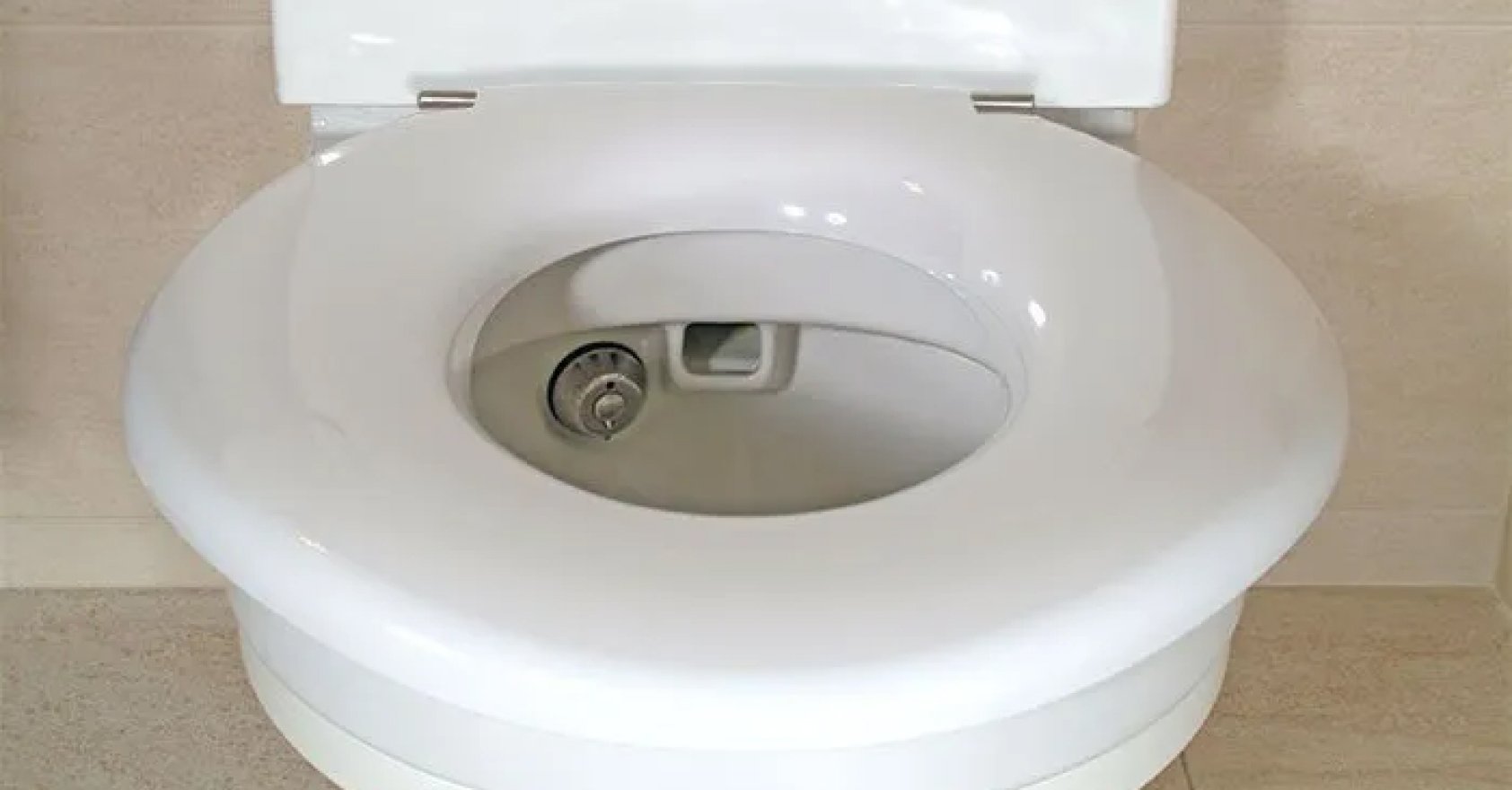
What if the issue is load capacity and comfort, rather than full seating support?
The Big John Seat replaces a standard toilet seat with a reinforced, enlarged alternative.
It enables:
- Increased weight capacity
- Better load distribution
- Improved comfort and confidence
It works by:
- Expanding the seating area
- Reinforcing structural integrity
- Integrating with existing systems such as Palma Vita or Aerolet
This is ideal when the user remains reasonably stable, but standard seating feels unsafe or insufficient.
What if transfers are unsafe under higher load?
Bariatric Aerolet (Tilting Lift System)
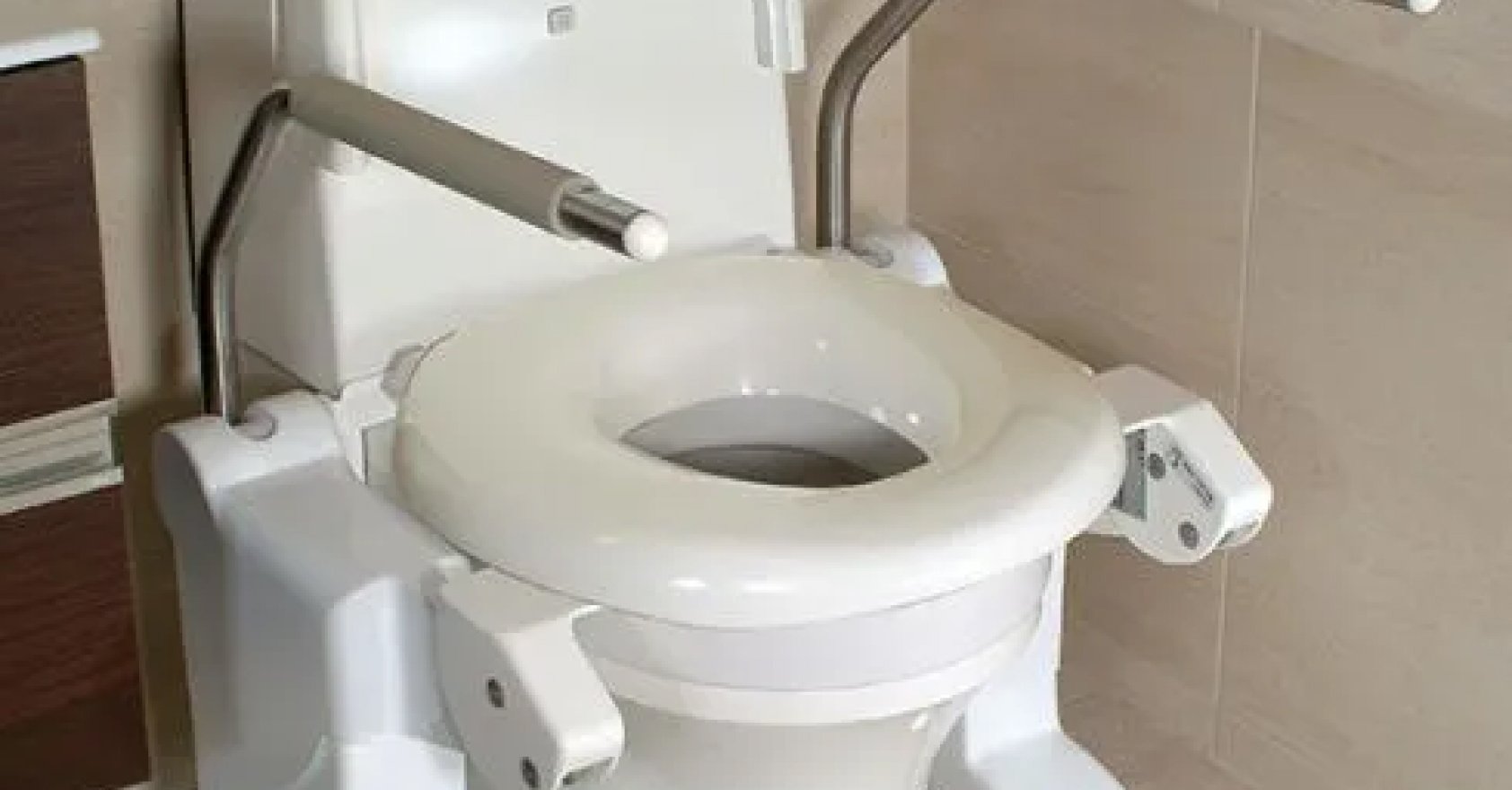
What if the user cannot safely stand or sit without assistance?
Bariatric Aerolet provides powered transfer support specifically designed for higher-weight users.
It enables:
- Safe, controlled sit-to-stand movement
- Reduced falls risk during transfers
- Lower manual handling demands
- Continued independence in toileting
It works by:
- Delivering a powered tilting motion that supports natural movement
- Allowing weight-bearing through the legs
- Maintaining stable positioning throughout the transfer
This is critical when transfer failure becomes the primary risk.
How do these solutions work together?
Many bariatric cases require more than one intervention.
You may need to combine:
- Reinforced seating (Bench or Big John)
- Powered transfer support (Bariatric Aerolet)
- Hygiene independence (Palma Vita)
This creates a system that addresses:
- Stability
- Load capacity
- Transfer safety
- Hygiene independence
The outcome is a complete, safe toileting pathway.
How do you assess a bariatric toileting case?
Start with the pressure points in the task.
Seating stability
- Can the user sit safely without sliding or fatigue?
- Does the seat provide adequate support and surface area?
Load requirements
- Does the equipment safely support the user’s weight?
- Is there a safety margin for repeated use?
Transfer risk
- Can the user stand safely?
- Are carers required to assist or lift?
- Is there a history of falls or near-misses?
Environment
- Is the solution suitable for domestic or care settings?
- Will it withstand high-frequency use?
The goal is to remove uncertainty and introduce controlled, repeatable outcomes.
Where do bariatric solutions sit in the pathway?
Different needs require different levels of intervention:
1
Bariatric seating and stability
2
Bench / Big John Seat
1
Bariatric transfer risk
2
Bariatric Aerolet
1
Hygiene plus bariatric needs
2
Palma Vita with bariatric configuration
Each step increases the level of support as risk and complexity increase.
What should you do next?
If standard equipment is no longer safe or reliable, the priority is to define the level of bariatric support required.
Identify the correct combination of seating, transfer support, and hygiene intervention for a safe, long-term solution.