Clinical Reasoning

Occupational therapist talking with an older couple at their kitchen table

Why our Wash and Dry toilets are market leaders

With our own Level 4 Trusted Assessors, dedicated installation team, and in-house engineers, we’re on hand to support, maintain, repair, and adapt each solution over time.

Delivering the UK’s only complete wash and dry toilet solution, backed by true specialists’ expertise and total peace of mind that the equipment will remain safe, reliable, and fit for the individual’s changing needs.

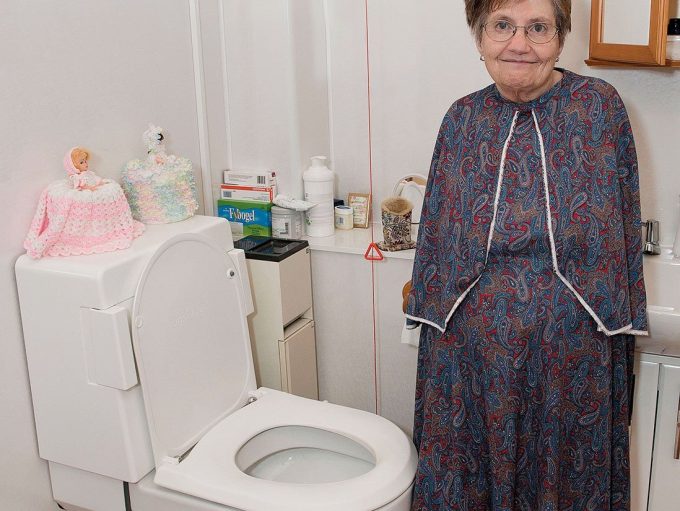
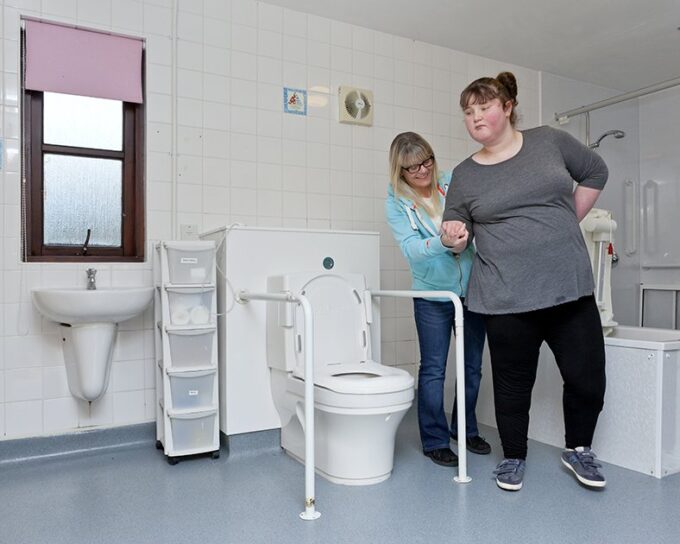
Toileting challenges, like most occupations, are rarely defined by diagnosis alone. They are shaped by function, routine, environment, and individual need, which is identified through activity analysis.

I’ve acted as editor for this guide to ensure the condition summaries, expected impacts, and specification guidance reflect what we see in practice across homes and supported living, and can be confidently applied in practice.

Adam Ferry
Director of the Occupational Therapy Service
Young person using a tablet at home

An individual-centred approach to achieving the right outcome

Every individual’s toileting needs are different, even when two individuals share the same diagnosis. This guide is designed to help you recommend solutions that are tailored to the individual, not the condition.

To achieve the right outcome, we recommend assessing the full bathroom routine, not just the toilet transfer itself.

This includes:

1

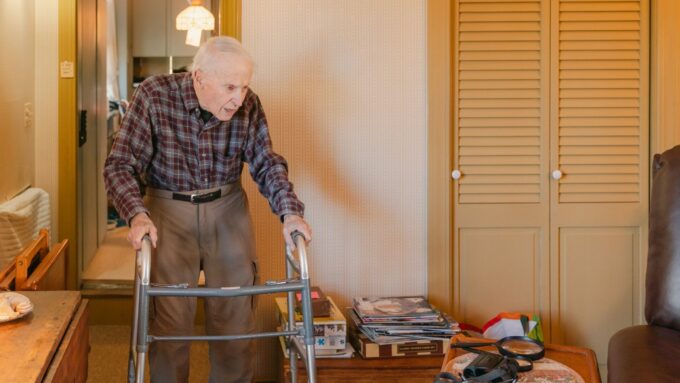
Starting by looking at how they access the bathroom – mobility, walking aids, and wheelchair use

2

Whether they can transfer on/off safely, consistently, and without pain

3

How the individual manages with clothes, fastening, and hygiene steps

4

Whether the individual can maintain sitting balance and posture

5

Their ability to wipe effectively, including reach range or dexterity issues

6

Any patterns in their toileting – how often, urgency, frequency, constipation, or nighttime visits

7

Any skin damage or sensitivity needs to consider – fragile skin, soreness, inflammation, high risk, or repeat infections

8

The individual’s ability to understand, remember, and complete toileting steps safely and consistently

9

Whether the individual is affected by sensory processing differences and comfort needs such as sound, temperature, lighting, consistent routines, or reassurance with prompting

10

What support is currently provided and whether it can realistically continue long-term

FAQ

What is clinical reasoning in toileting assessment?

Clinical reasoning is the process of analysing a person’s abilities, limitations, environment and goals to determine the most appropriate toileting solution for their needs.

How can this clinical reasoning section help me?

This section groups common assessment considerations by condition and presentation, helping you explore factors that may influence toileting independence, hygiene and care requirements.

Does a diagnosis automatically indicate the need for a wash and dry toilet?

No. Recommendations should always be based on functional need, clinical reasoning, risk, safety, independence and desired outcomes rather than diagnosis alone.

What if my client has multiple conditions?

Many people experience a combination of physical, sensory and cognitive challenges. Consider the impact of all relevant conditions and use the information across the site to support holistic decision-making.