How occupational therapy can reduce the impact of COPD breathlessness on everyday life.

COPD is often described through its respiratory symptoms: breathlessness, cough, sputum production and reduced exercise tolerance. For the person living with COPD, however, the impact can extend well beyond the lungs.
Everyday occupations such as showering, dressing, preparing a meal or using the toilet may become increasingly demanding, take longer or be avoided. For OTs, COPD can therefore affect occupational performance, independence, safety and participation.
COPD and everyday activity: What’s the connection?
COPD can affect much more than respiratory function. Breathlessness, fatigue and reduced exercise tolerance can change how a person manages everyday activities and the occupations that are important to them. From an OT perspective, it is important to look beyond the respiratory impairment and understand what the person is experiencing in their everyday life and what this means for their occupational performance.
An activity that was once routine may become slower, more physically demanding or require frequent rests. As the demands of the activity increase, the person may begin to modify how they complete it, rely more on others or avoid it altogether. The home environment can further increase or reduce these demands.
This can be understood as a progression from the underlying respiratory impairment through to its impact on everyday occupations and participation:
Respiratory impairment → reduced functional capacity → activity limitation → occupational disruption → reduced participation → occupational avoidance
The impact of COPD will be different for each person. The same level of breathlessness may have little impact on one person’s daily life but significantly affect another, depending on their routines, priorities, roles, environment and the demands of the occupations that matter to them.
Why occupational performance matters
When someone with COPD says, “I can’t do it anymore”, the OT assessment needs to explore what “it” actually involves. An occupation is usually a sequence of tasks with different demands.
For example, using the toilet may involve:
Accessing the bathroom → transferring → managing clothing → toileting → cleansing → drying → hand hygiene → leaving the bathroom.
At each stage, the OT can consider where breathlessness, fatigue, balance, limited reach or environmental barriers affect performance, allowing intervention to target the specific occupational problem.
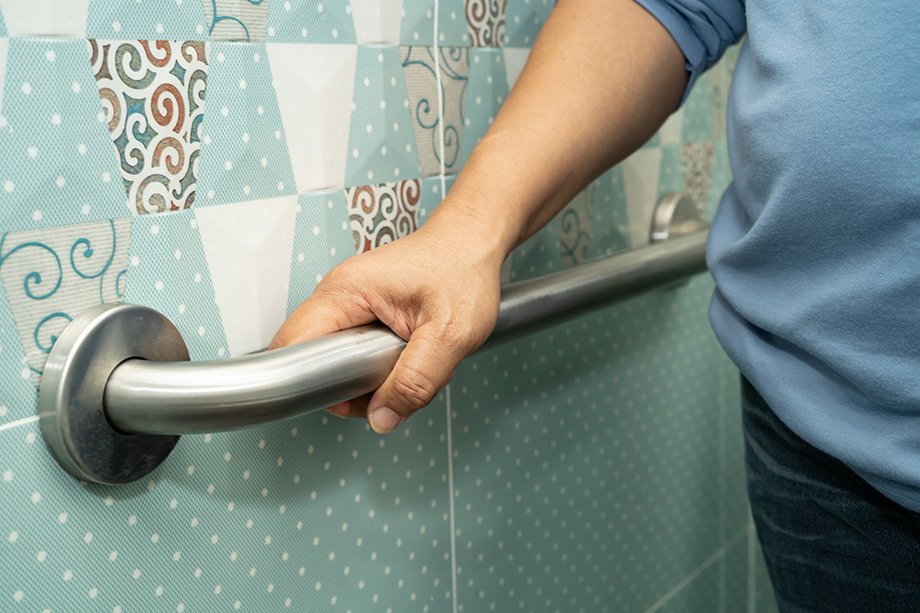
Small changes can reduce the demands of everyday activities
OT intervention can support energy conservation by changing how, when or where an occupation is completed. Strategies may include:
- Planning activities around energy levels and priorities.
- Pacing and planned rest before severe breathlessness develops.
- Prioritising what matters most and simplifying, delegating or postponing tasks.
- Using stable or seated positions where appropriate.
- Reducing bending, carrying and repeated journeys.
The aim is not simply to reduce activity, but to use available capacity more effectively so meaningful occupations remain achievable.
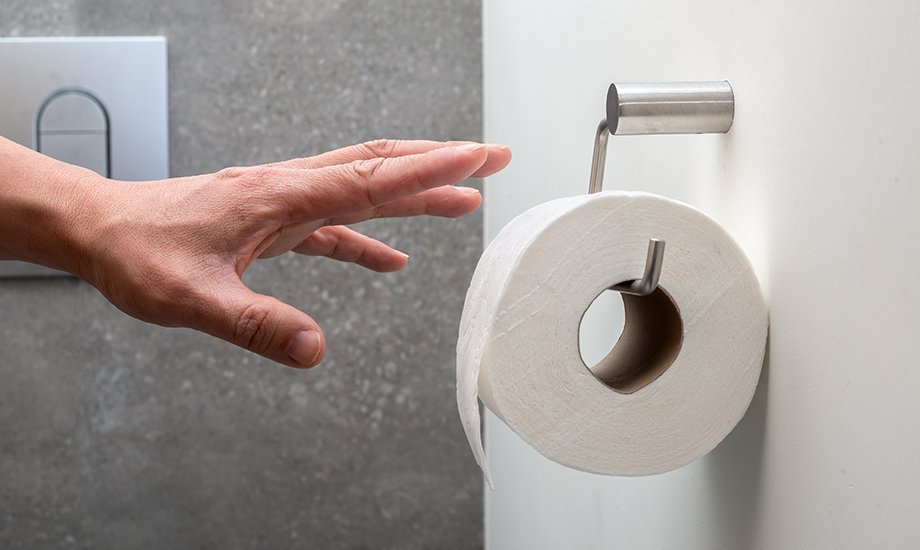
The home environment can either help or hinder
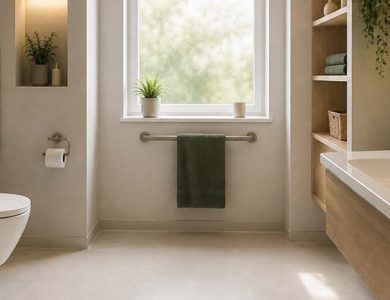
The physical environment can significantly influence the effort required. A poorly arranged bathroom, unnecessary walking distances, clutter, difficult transfers or excessive reaching may increase the demands of an already challenging task.
OT environmental assessment can consider access, bathroom layout, lighting, flooring, storage, temperature and ventilation, and equipment or assistive technology. The aim is not to introduce equipment simply because someone has COPD, but to identify whether it meaningfully changes occupational demands.
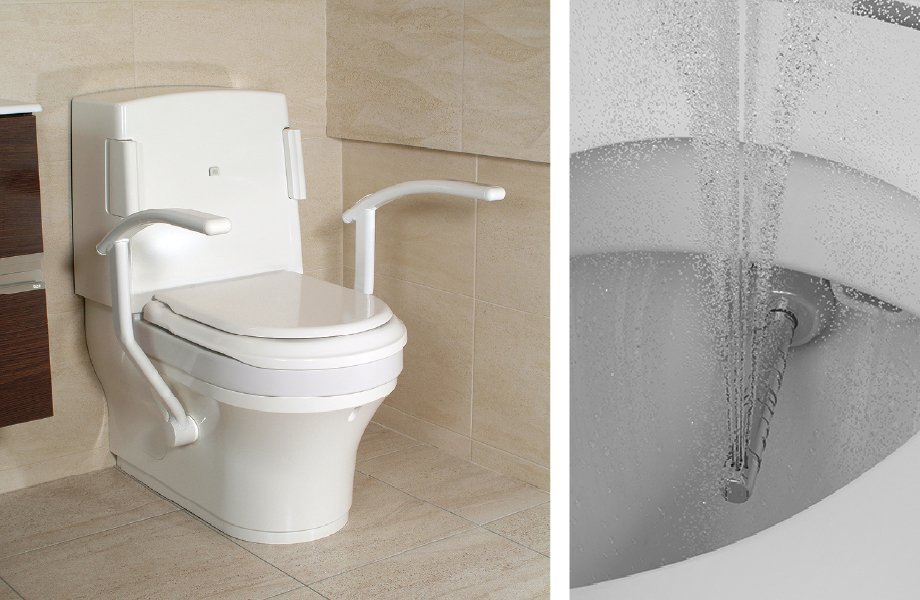
For some individuals, a wash and dry toilet may be considered when personal hygiene is physically demanding. Automated washing and drying can reduce repeated wiping and reaching where breathlessness, fatigue, balance, strength or dexterity affect performance.
Potential benefits include reducing physical effort and movement, supporting independence and dignity, and reducing reliance on carers for part of toileting.
Assistive technology that can complement wash-dry toilets, such as automated flush systems and tilt-and-raise seats, should not be viewed as a one-size-fits-all solution. The OT should consider whether the technology addresses an identified functional difficulty and whether it meaningfully improves occupational performance. Assessment should also consider whether the equipment is safe, usable and appropriate for the person and their environment, including how it may function when the person is more breathless or fatigued.
COPD is not static. A person may manage independently on a good day but need more support when breathless or during an exacerbation. Assessment should explore what changes, which activities become unsafe or are stopped first, existing strategies or equipment, and support needed on a bad day.
Equipment and adaptations should be considered against the person’s realistic range of function, not their best performance alone.
Clinical reasoning and risk assessment remain central
OT intervention should be person-centred and occupation-focused. Effective clinical reasoning considers the interaction between the Person, Occupation and Environment, alongside proportionate and ongoing risk assessment. When assessing a person with COPD, OTs may draw on different forms of clinical reasoning to build a fuller understanding of the occupational problem.
Scientific reasoning can help the OT understand the impact of COPD, including breathlessness, fatigue, reduced endurance, strength and balance, and how these may affect functional performance. Procedural reasoning supports the selection and implementation of appropriate interventions, equipment and environmental adaptations. Narrative reasoning helps the OT understand the person’s experiences, priorities, routines and goals, including what matters to them and how COPD has changed their everyday life. Interactive reasoning is important when working collaboratively with the person to understand their concerns, preferences and confidence in using proposed interventions. Conditional reasoning considers how occupational performance may change over time, including during periods of increased breathlessness, fatigue or exacerbation.
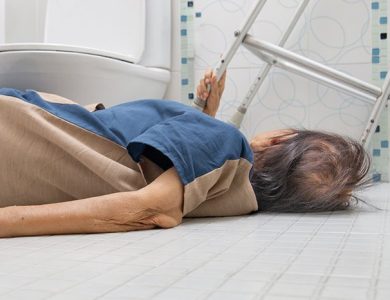
Clinical reasoning should also consider the specific demands of the occupation and the environment, alongside risks such as falls, transfer safety, fatigue-related errors, equipment use and the person’s ability to manage safely and effectively within their home environment.
Supporting independence through occupational therapy
COPD can create a gap between what a person wants or needs to do and what their respiratory capacity allows. OTs are well placed to address this by analysing occupations, identifying modifiable barriers and combining functional strategies with environmental adaptation.
Intervention may involve pacing, planning, positioning, task simplification, equipment, assistive technology or environmental modification. The bathroom is one area where small changes may reduce exertional demands. For selected clients, wash and dry toilet technology may form part of this intervention when supported by assessment, clinical reasoning and risk management.
Ultimately, the OT question remains
What matters to this person, what is preventing them from doing it, and how can we change the person–occupation–environment fit to support meaningful participation?