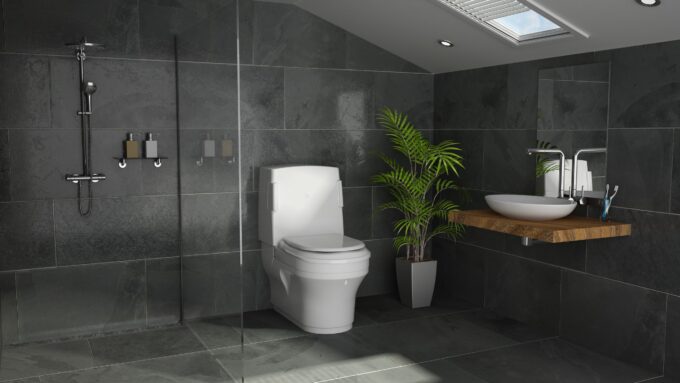
Factors to consider when managing sit-to-stand risk and promoting independence
When assessing service users who experience difficulty moving onto or off the toilet independently, selecting the right transfer solution is just as vital as addressing post-toileting hygiene. A toilet lift is a significant clinical intervention designed to proactively manage fall risks and actively promote independent occupational performance within the home environment.
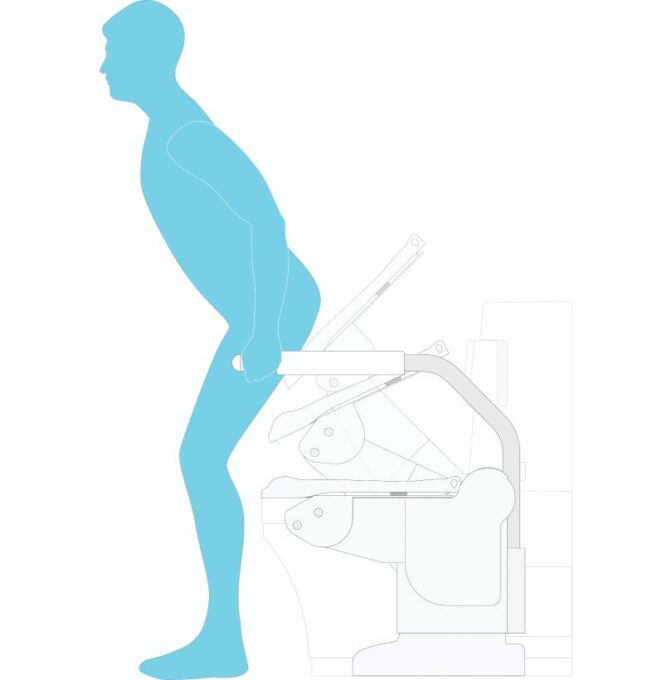
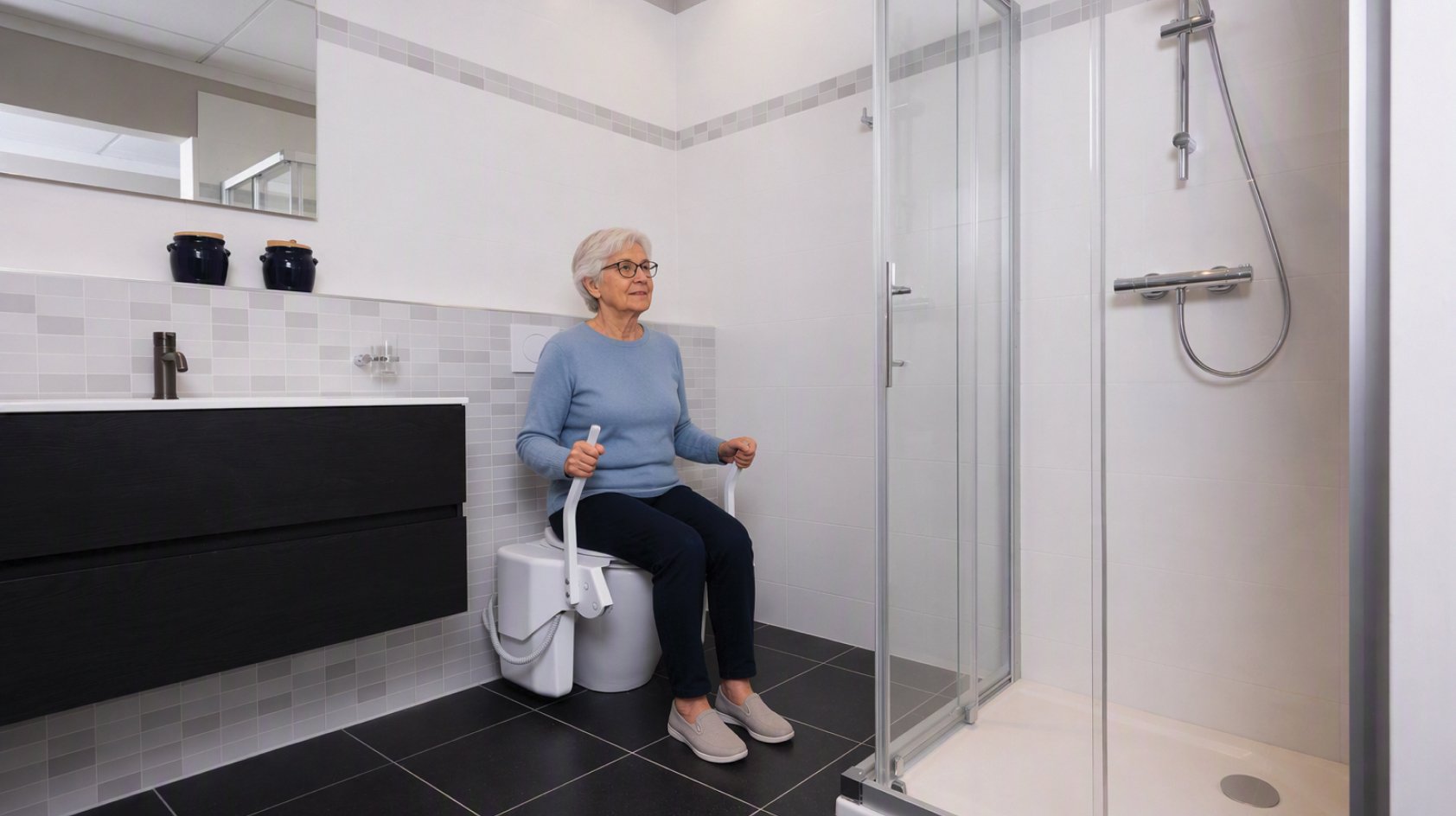
By mimicking the natural mechanics of sitting down and standing up, a toilet lift minimises the strenuous physical exertion normally required during the sit-to-stand transition – a moment identified as high-risk for patient falls. Specifying an appropriate lifter can significantly reduce the risk of injuries, safeguard service user dignity, accommodate progressive physical decline, and decrease a user’s reliance on everyday caregivers.
Why consider a Toilet Lift?
Integrating a mechanical toilet lift into a service user’s bathroom routine offers several significant clinical advantages:
Reduction of Falls Risk
Lifts provide highly controlled vertical or tilting movements, minimising the heavy physical exertion required during the sit-to-stand transition.
Promotion of Independence
Introducing a lifter empowers individuals experiencing progressive mobility decline to use the toilet safely and independently, reducing the immediate need for caregiver intervention.
Support for Progressive Conditions
For service users managing progressive conditions, these lifting systems provide a reliable way to adapt to changing physical needs and support requirements over time.
Customised Ergonomics
Therapists can choose between tilting or vertical operation profiles to match a movement pattern precisely to the service user’s current joint range and muscle strength.
The Aerolet Range: Ultimate Wash and Dry Compatibility
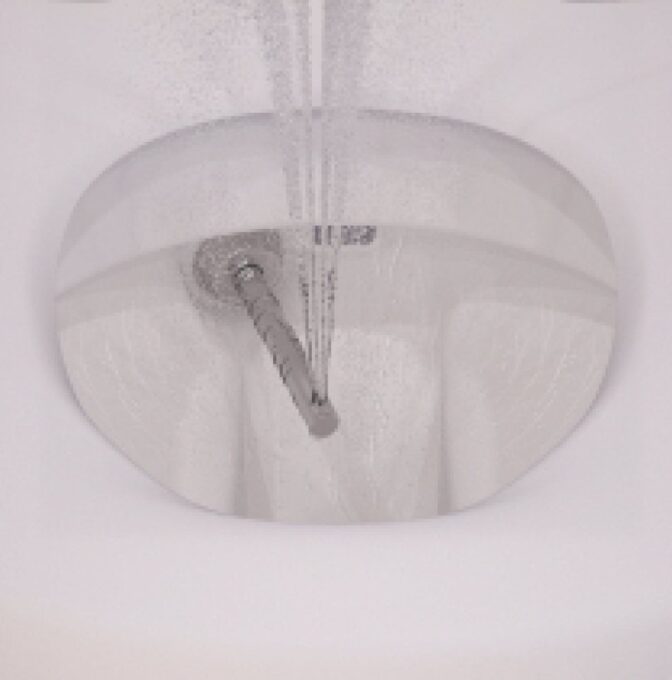
For individuals who require help with both the physical transfer and the subsequent cleaning process, combining a Closomat Wash and Dry toilet with an Aerolet toilet lift serves as an exceptional integrated solution.
The seamless design connection between the lifter and the toilet ensures that the user is lowered accurately into the correct position to receive the wash and dry action.
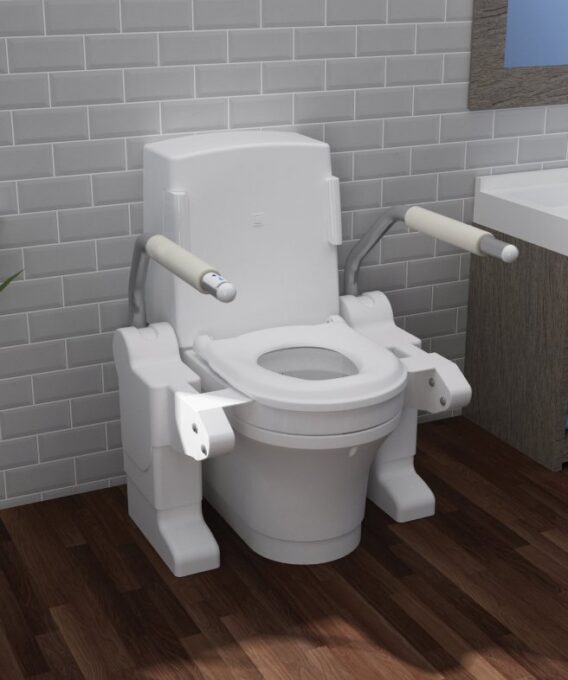
Aerolet Tilt
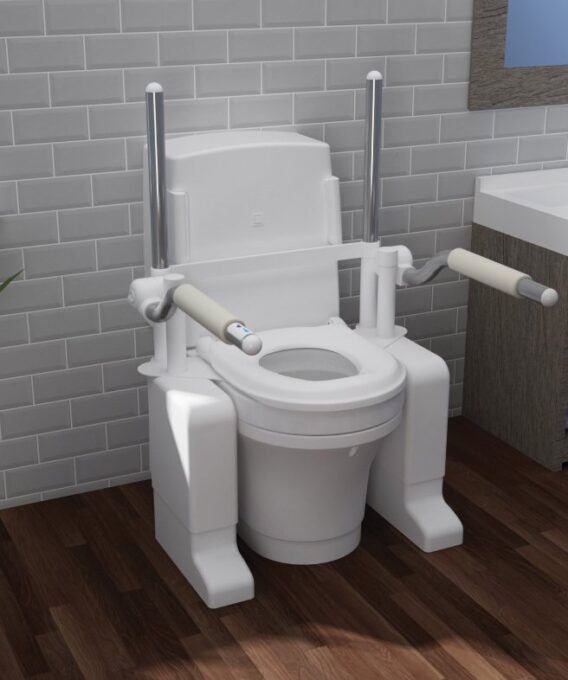
Aerolet Vertical
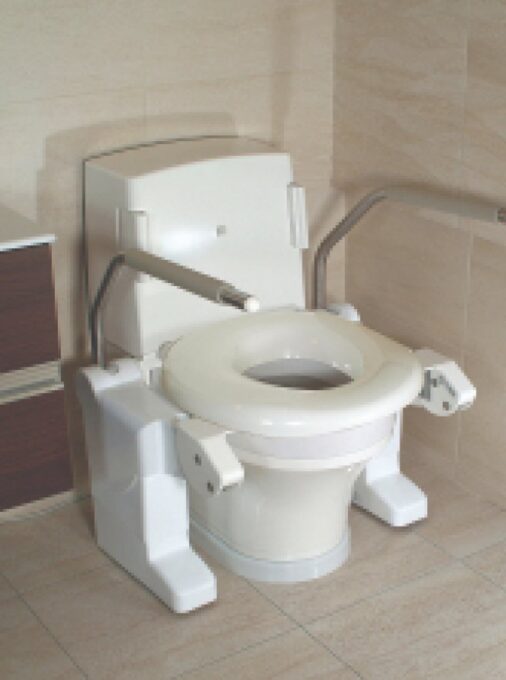
Bariatric Aerolet (Tilting)
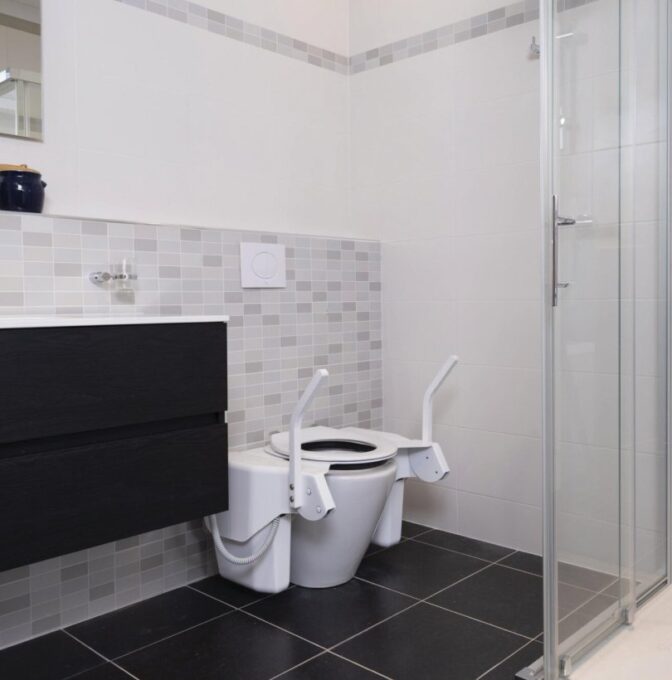
The Easylet Toilet Lifter: Premium conventional WC solution
For service users who require mechanical assistance with sit-to-stand transfers but do not need a wash and dry toilet, the Easylet Toilet Lifter provides an alternative solution.
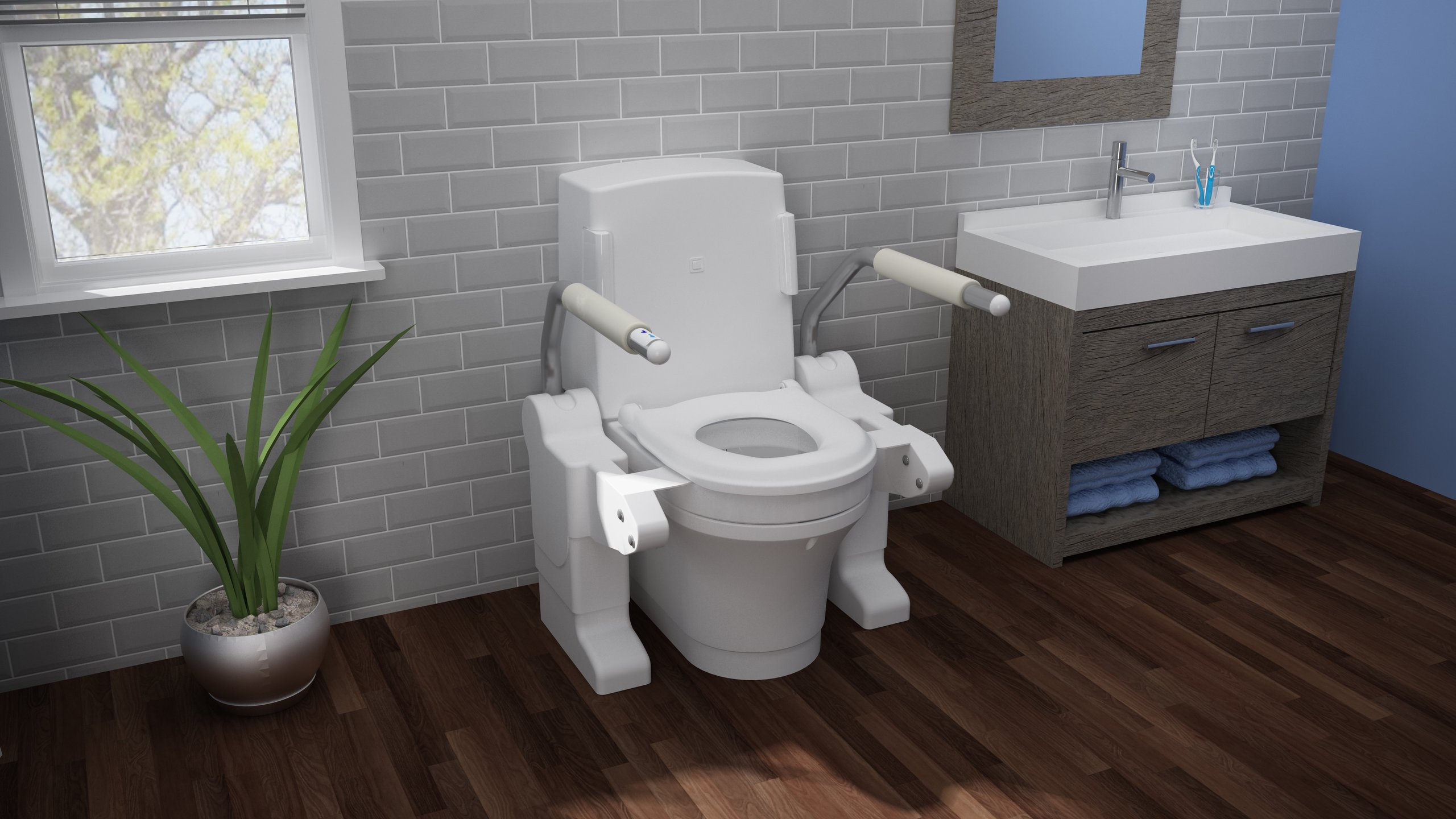
The Easylet brings premium, high-stability Aerolet engineering into a more flexible package. It can operate as both a vertical and a tilting lifter (which requires a conversion bracket), fitting onto virtually any conventional toilet without complex adaptations.
Key Benefits
Flexible Operation Option
Delivers both tilting and vertical lift movements from a single unit to match specific physiological needs. This is achieved with the installation of a conversion bracket.
Universal Compatibility
Easily mounts to almost any conventional floor-standing or wall-mounted toilet.
Battery Back-up Option
An optional battery back-up ensures the user is not stranded during a mains power failure, delivering up to 30 lifts on a single charge.
High Stability
Engineered with an Aerolet-style framework to reduce fall risks and provide a secure platform during transfers.
Safe working load
150kg/24st
See how the Easylet compares
When specifying a lifter, understanding where the Easylet sits in relation to entry-level options and top-of-the-range specialised equipment can help determine the best fit:
| Feature | Easylet | Aerolet |
|---|---|---|
| Market Position | Premium engineering | Advanced/Specialised |
| Stability | High-stability, Aerolet-style engineering | Maximum stability |
| Toilet Compatibility | Almost any conventional toilet (floor-standing or wall-mounted) | Closomat Wash and Dry Toilets only |
| Installation | Simple installation | Professional installation recommended |
| Power Reliability | Optional battery back-up (up to 30 lifts) | Standard mains Battery options |
| Clinical Suitability | Progressive conditions and mobility decline | Complex and high dependency needs (e.g., Bariatric) |
Assessment considerations
To ensure the safest and most effective specification, Occupational Therapists should consider these key questions during a user assessment:
Does the service user require automated post-toilet hygiene?
If the service user struggles with manual checking and wiping, specify an Aerolet Lift paired with a Closomat Wash and Dry toilet. If they only need transfer support on an existing conventional toilet, the Easylet may be the appropriate option.
What is the service user’s physical strength profile?
If the user maintains strength and balance in their lower limbs, a tilting motion is recommended. If they possess good upper body strength but poor leg control, a vertical motion is ideal.
What are the service user’s weight and bariatric requirements?
Ensure the lifter matches the user’s weight profile. Standard Aerolet and Easylet models support up to 150kg (24st), while complex bariatric transfer needs require the Bariatric Aerolet, which supports up to 250kg (39st).
Is power reliability an issue?
For service users who may be left vulnerable or stranded in the event of a power cut, choosing an Easylet with the optional battery back-up provides up to 30 lifts for continuous safety.
Support at every stage
Closomat provides full, end-to-end support to streamline the prescription process for Occupational Therapists:
Expert Assessments
Our team includes Level 4 Trusted Assessors who can support or conduct joint assessments alongside OTs.
Simplified Installation
Our products are built to meet UK standards and can be delivered with full technical support for your installation contractors.
Funding and Documentation
We offer guidance through various funding pathways, including providing product specifications, formal quotes, and advice on VAT exemption.
Summary for Occupational Therapists
Safe and effective transfers are a fundamental part of toileting assessment. By understanding the different types of toilet lift and matching equipment choice to an individual’s mobility, strength and transfer ability, Occupational Therapists can support independence, reduce caregiver assistance and improve safety.
Appropriate lift selection helps maintain dignity and confidence while enabling people to continue using the toilet safely as their needs change.