Overview

These changes can make transfers, standing, wiping and operating controls more difficult. Appropriate adaptive equipment can support dignity and independence and reduce the risk of falls or hygiene issues.

According to the Centre of Ageing Better, the number of people in England, aged between 65 – 79 is predicted to increase by nearly 30% over the next 40 years to over 10 million. With those aged 80 and over described as the “fastest growing segment of the population” and projected to more than double to over 6 million.
Functional Toileting Challenges:

1
Weakness or reduced strength and stability: Makes it difficult to rise from the toilet, lower down or maintain a steady seating position
2
Poor balance and stability: With slower reactions and poorer balance, standard toilets may present a significant increased risk of slips and falls
3
Joint stiffness and reduced dexterity: Age-related stiffness can limit reach and this makes it harder to operate standard flush controls, adjust clothing or sufficient strength and control for effective wiping
4
Fatigue and reduced endurance: Age-related fatigue or breathlessness can make repeated transfers and hygiene tasks tiring, increasing reliance on carers
5
Visual and cognitive changes: Challenges from reduced vision or slower processing of instructions, make it harder to locate controls or sequence toilet tasks safely

Impacts:

Incomplete hygiene tasks

Limited reach or dexterity may lead to hygiene issues increasing the risk of skin problems if wiping becomes difficult 

Reduced independence

Physical limitations can force reliance on carers, affecting confidence and privacy

Reduced confidence

Anxiety over fears of falling or slipping can deter engagement in daily activities, reduce fluid intake or lead to the avoidance of toileting altogether

Safety concerns

Conventional toilets and bathrooms rarely provide sufficient support for transfers and increase the likelihood of injury from a fall

How our products help those with Age-Related Decline

FEATURE WHY IT HELPS
Palma Vita Wash and Dry Toilet Provides improved hygiene, comfort and independence with integrated washing and drying functions, reducing the need for assistance and supporting accessibility.
Integrated fold-down support arms Improves physical safety when using the toilet, especially if mobility impaired
Adult soft seat Provide additional comfort and reduce the pain of sitting for long periods. The Closomat can be supplied with a choice of soft feel seats that are navy blue in colour
Touch sensitive hand/foot switch Makes it easier to recognise and use without complex instructions
(Infrared) Remote control Enables carers to initiate wash and dry function discreetly if individual can no longer manage
Douche (standard) Supports personal hygiene and cleanliness, helping users maintain independence and comfort during toileting.
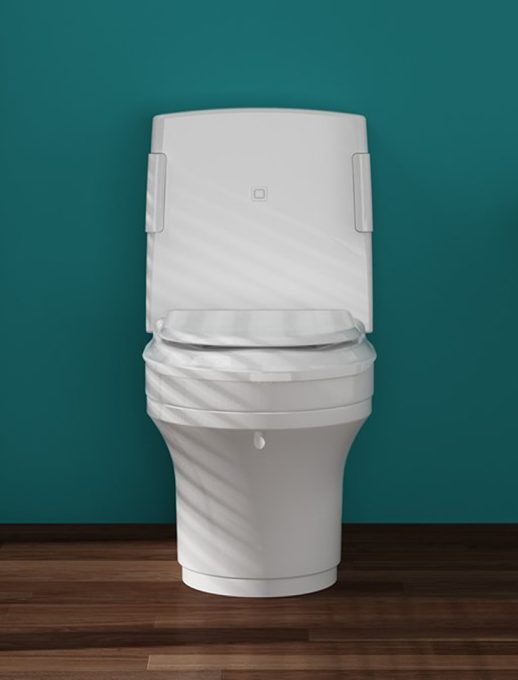
Closomat wash and dry toilet in a modern bathroom with a teal wall

Priority specification

Foundational

The Closomat Palma Vita with easy-use controls with a touch sensitive hand/foot switch and soft seat

Moderate

Integrated fold-down support arms for those who can push safely into a stand

Complex

Carer controls if the person is unable to use themselves, which maximises dignity in care.

Sample specification wording

The individual is experiencing age-related decline, including reduced strength, balance and range of movement. These factors combined make transferring to and from the toilet, maintaining a stable seated position and completing personal hygiene tasks difficult and unsafe.

A Closomat Wash and Dry Toilet with integrated fold-down arm supports and a touch sensitive hand/foot switch is recommended. The automatic wash and dry feature removes the need for manual wiping, which the user is unable to complete effectively due to the limited dexterity and reach. Due to the general weakness in the legs, the installation of integrated arm supports would provide the individual with something stable to use to support themselves as they rise and lower down to the soft seat.

The adaptable controls allow the operation from the individual’s stronger side, supporting independent toileting while reducing carer involvement in intimate tasks. The robustness and stability of the Closomat provides a long-term solution that accommodates changes in mobility as the individual continues to change with age.

Final checks

Verify control placement for user’s reach and dexterity
Regularly review seat height, arm supports and settings as conditions change
Assess for vision and cognitive changes that may influence operation of the toilet

Download the specification

Wash and dry toilet specification for age-related decline, with the recommended features and clinical justification.

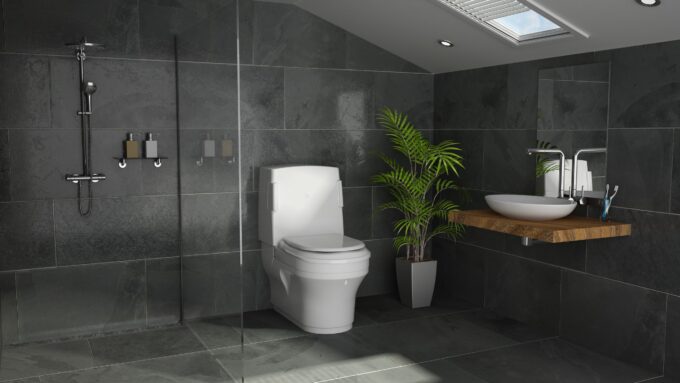
Closomat wash and dry toilet in a modern bathroom with dark grey tiles
Our Toilets

The Vita Range for Occupational Therapists

Closomat’s Vita Range has been developed specifically to support safe, dignified and independent toileting for disabled and older people.