A Closomat White Paper Written by The Occupational Therapy Service
Urinary tract infections (UTIs) represent a substantial and escalating burden for individuals, carers, and health and social care systems

In England, UTIs account for approximately 190,000 hospital admissions annually, equating to over 1.2 million bed days and more than £600 million in direct hospital costs. Older adults, particularly women aged over 70 years, experience disproportionate risk and adverse outcomes. While UTIs are often conceptualised as acute medical conditions, their aetiology and consequences are closely linked to functional ability, environmental design, and toileting hygiene. This positions occupational therapists (OTs) as key professionals in both recognising functional implications and implementing preventative strategies.
Understanding UTIs through an occupational therapy lens
A UTI is an infection affecting any component of the urinary system, most commonly caused by bacteria such as Escherichia coli entering via the urethra. UTIs are commonly classified as lower (bladder and urethra) or upper (kidneys), with the latter associated with increased morbidity and hospital admission risk. Typical symptoms include dysuria, urinary urgency and frequency, suprapubic discomfort, and changes in continence. However, in older adults, presentation is frequently atypical and may include delirium, sudden functional decline, haematuria, or increased falls risk.
These non-specific presentations mean that OTs are often among the first professionals to observe changes in occupational performance associated with infection. Sudden difficulties with transfers, personal care, mobility, or cognitive sequencing may signal underlying infection and necessitate timely referral, while also highlighting areas for preventative intervention.
Functional consequences of UTIs
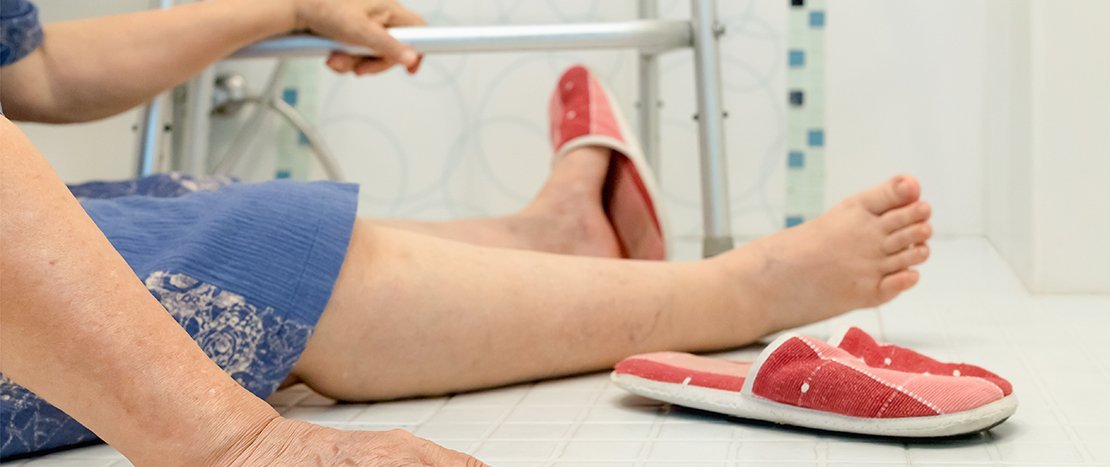
UTIs are not isolated physiological events; they frequently precipitate a cascade of functional and psychosocial consequences. Fatigue, pain, and urinary urgency can significantly disrupt engagement in daily routines and meaningful occupations. Night-time urgency and rushed toileting increase falls risk, particularly in environments with poor lighting, unsafe flooring, or inadequate space. Delirium associated with infection may lead to abrupt loss of independence, increased safeguarding concerns, and escalation of care needs.
From an occupational perspective, these consequences often result in occupational disruption or deprivation. Individuals may restrict fluid intake to avoid toileting, withdraw from social participation due to incontinence anxiety, or experience loss of dignity where intimate care is required. For carers, UTIs increase physical and emotional burden, frequently triggering requests for additional support or permanent care placement.
Toileting, hygiene, and environmental risk factors
Toileting is a complex activity of daily living involving multiple sequential steps: access, transfer, clothing management, voiding, cleansing, drying, hand hygiene, and exit. Breakdown at any stage can compromise hygiene, safety, and dignity. Functional impairments commonly associated with ageing or disability—including reduced mobility, impaired balance, limited upper limb range of movement, reduced grip strength, and cognitive impairment—can significantly affect toileting performance.
Environmental factors also play a critical role. Poor lighting, restricted space, poorly positioned fixtures, or inadequate equipment may increase task complexity and reduce the likelihood of effective hygiene. Where individuals struggle with manual cleansing due to reach, strength, or dexterity limitations, residual soiling and bacterial transfer risk increases. Continence product use may further contribute to moisture, skin irritation, and bacterial growth, compounding UTI risk.
Activity analysis as a preventative tool
Activity analysis is central to occupational therapy practice and provides a structured framework for identifying UTI risk. By analysing toileting performance step by step, OTs can identify mismatches between individual abilities, task demands, and environmental conditions, alongside how they link to specific areas of risk. Repeated difficulty or failure often leads to avoidance behaviours, delayed voiding, or reduced confidence, all of which increase infection risk.
Through targeted assessment, OTs can implement interventions such as environmental modification, equipment provision, or task simplification. These strategies aim not only to improve immediate occupational performance but also to reduce cumulative risk associated with inhibited hygiene, unsafe transfers, and occupational disengagement.
Environmental adaptation and risk management
Preventative environmental adaptations seek to maximise independence, dignity, and safety while reducing reliance on intimate care. Evidence consistently demonstrates strong cost–benefit associated with housing adaptations, including reductions in hospital admission, length of stay, and long-term care costs. For OTs, aligning individual recommendations with system-wide outcomes strengthens clinical reasoning and supports funding decisions.
One area of growing interest is the role of wash and dry toilets in supporting effective hygiene. These systems provide hands-free cleansing and drying following toileting and may reduce reliance on manual wiping where physical or cognitive limitations are present. Potential benefits include more consistent hygiene outcomes, reduced cross-contamination risk, improved skin integrity, and reduced carer involvement.
Design considerations and safety
The effectiveness of wash and dry toilets is dependent on appropriate user selection, product design, and maintenance. Evidence suggests that front-to-back cleansing reduces UTI risk by limiting bacterial transfer towards the urethra. Vertical spray designs may support targeted cleansing while minimising contamination risk compared with rear-approach systems. However, infection control considerations are essential; warm water bidet nozzles can become contaminated if cleaning and servicing routines are inadequate. User education, regular maintenance, and ongoing review are therefore critical components of risk management.

Implications for occupational therapy
UTIs exemplify the intersection between health, function, and environment. Occupational therapists are uniquely positioned to identify early functional indicators of infection, implement preventative strategies, and advocate for environmental adaptations that support long-term wellbeing. By addressing toileting hygiene and bathroom design as core components of occupational performance, OTs can contribute to reduced infection risk, improved quality of life, and decreased demand on health and social care services.
Conclusion
UTIs have profound functional implications, particularly for older adults and individuals with disability. Toileting hygiene and environmental design are critical yet modifiable risk factors. Through a detailed understanding of the areas within the process that increase risk, application of a robust activity analysis, environmental adaptation, and appropriate equipment provision, occupational therapists play a pivotal role in UTI prevention and risk management. Integrating these approaches into routine practice supports independence, dignity, and occupational engagement while contributing to more sustainable health and social care.