Guidance for Occupational Therapists
A Closomat White Paper Written by The Occupational Therapy Service
Abstract
Falls remain one of the leading causes of injury, hospital admission, loss of independence, and reduced occupational participation across health and social care. Whilst falls are often associated with ageing or medical conditions, the interaction between the person, the activity they are undertaking, and the environment around them plays a significant role in both the risk of falling and the consequences following a fall.
Occupational therapists are uniquely positioned to identify environmental risks, analyse occupational performance, and implement preventative interventions that support safety, dignity, confidence, and independence. This white paper explores the impact of environmental factors on falls risk, the consequences of delayed recovery and ‘long lies’, and the wider occupational implications of post-fall syndrome.
The paper also highlights the role of environmental adaptation, post-fall management, and occupational therapy-led intervention in reducing risk, supporting recovery, and improving outcomes for individuals living at home, in supported living environments, and within residential or nursing care.
Although falls prevention remains an important area of practice, evidence demonstrates that falls cannot always be prevented entirely. Consequently, how services respond to a fall is equally important in minimising harm, preventing deterioration, and supporting individuals to regain occupational engagement.
Understanding Falls: An Occupational Therapy Perspective
The World Health Organization (WHO) defines a fall as:
An event which results in a person coming to rest inadvertently on the ground or floor or other lower level.
From an occupational therapy perspective, a fall can also be understood as a breakdown in the interaction between the individual, their environment, and the activity being undertaken. Falls rarely occur because of a single isolated issue. Instead, they are often the result of multiple interacting intrinsic and extrinsic factors.
Occupational therapists recognise that mobility, transfers, toileting, dressing, meal preparation, accessing the community, and many other everyday occupations rely upon a person’s ability to safely interact with their physical and social environment. When environmental demands exceed a person’s physical, cognitive, or sensory abilities, the likelihood of a fall significantly increases.
Importantly, falls are not solely physical events. They frequently trigger psychological distress, reduced confidence, social withdrawal, fear of movement, and occupational disengagement. For many individuals, particularly older adults or those living with long-term conditions, a fall can represent a major turning point in functional independence.
The Scale and Impact of Falls
Falls represent a major public health concern and place significant pressure on health and social care systems.
Evidence consistently demonstrates that:
- Approximately one third of adults over 65 experience at least one fall annually
- The frequency of falls increases with age and frailty
- People living with neurological conditions, dementia, sensory impairment, or reduced mobility are at significantly greater risk
- Falls are one of the leading causes of injury-related hospital admission in older adults
- The psychological consequences of falls can persist long after physical injuries recover
Research also demonstrates that despite focused falls prevention initiatives, the overall incidence of falls continues to increase due to an ageing population, increasing complexity of health conditions, and longer life expectancy.
For occupational therapists, the focus therefore extends beyond preventing every fall. It includes:
- Reducing environmental risks
- Supporting safe occupational performance
- Minimising harm following a fall
- Preventing prolonged periods on the floor
- Supporting recovery of function and confidence
- Reducing avoidable hospital admissions and institutionalisation
Why People Fall
Falls are multifactorial. A person’s risk is influenced by intrinsic factors, environmental hazards, behavioural choices, and the demands of the task being undertaken.
Occupational therapy assessment considers the dynamic relationship between:
- The person
- The environment
- The occupation or activity
This interaction is central to understanding why falls occur.
Intrinsic (Personal) Risk Factors
Intrinsic risk factors relate to the person’s physical, cognitive, sensory, or psychological condition.
Physical and Physiological Factors
Common intrinsic risk factors include:
- Muscle weakness and deconditioning
- Reduced balance and co-ordination
- Altered gait patterns
- Chronic health conditions
- Dizziness and postural hypotension
- Pain and fatigue
- Foot problems and inappropriate footwear
- Reduced physical activity
- Frailty and sarcopenia
These factors may reduce a person’s ability to recover balance, negotiate environmental obstacles, or safely complete everyday tasks.
Sensory and Cognitive Factors
Sensory and cognitive impairments can significantly increase falls risk.
Examples include:
- Reduced vision
- Poor depth perception
- Hearing loss
- Reduced spatial awareness
- Cognitive impairment
- Dementia
- Stroke-related perceptual difficulties
- Reduced insight or judgement
These impairments can affect a person’s ability to identify hazards, safely sequence tasks, or appropriately respond to environmental challenges.
Psychological and Behavioural Factors
Psychological wellbeing also influences falls risk.
Factors may include:
- Fear of falling
- Anxiety
- Depression
- Reduced confidence
- Risk-taking behaviours
- Medication side effects
- Alcohol misuse
- Activity avoidance
Following a fall, fear and anxiety can lead to reduced mobility, physical deconditioning, and increased dependence, creating a cycle that further increases risk.
Environmental Risk Factors
Extrinsic or environmental factors are external hazards within a person’s surroundings that increase the likelihood of a fall.
Occupational therapists are uniquely positioned to identify and modify these risks through activity analysis, environmental assessment, and adaptation.
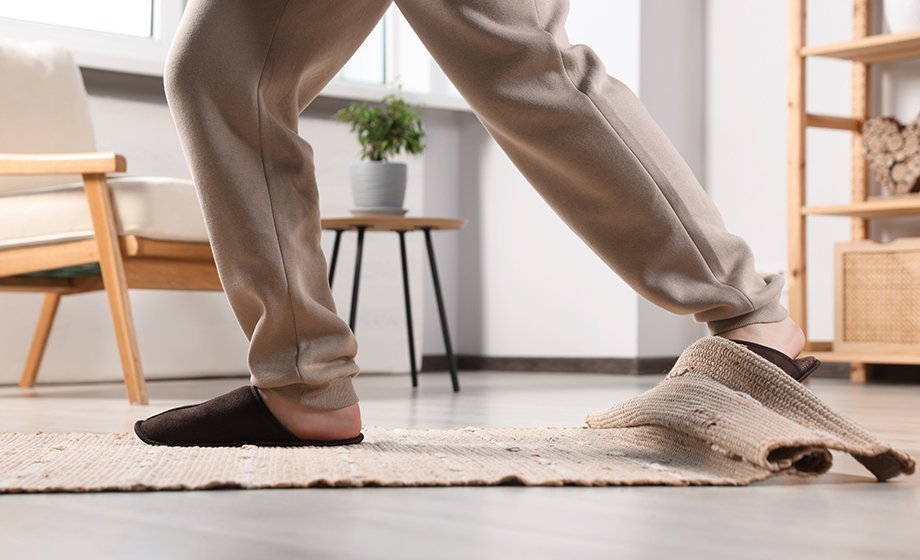
Many falls occur within the home
Common environmental hazards include:
- Loose rugs and flooring changes
- Poor lighting and glare
- Clutter and trip hazards
- Narrow access routes
- Unsafe furniture layouts
- Low or unstable seating
- Inappropriate bed height
- Stairs without handrails
- Thresholds and uneven flooring
- Unsafe bathroom environments
- Lack of grab rails or support equipment
Bathroom environments present particular risks due to wet surfaces, urgency, transfers, and confined spaces.
The bedroom environment also carries significant risk, particularly at night where fatigue, reduced visibility, urgency, and reduced postural stability interact.
Community and Outdoor Risks
Environmental risks continue beyond the home.
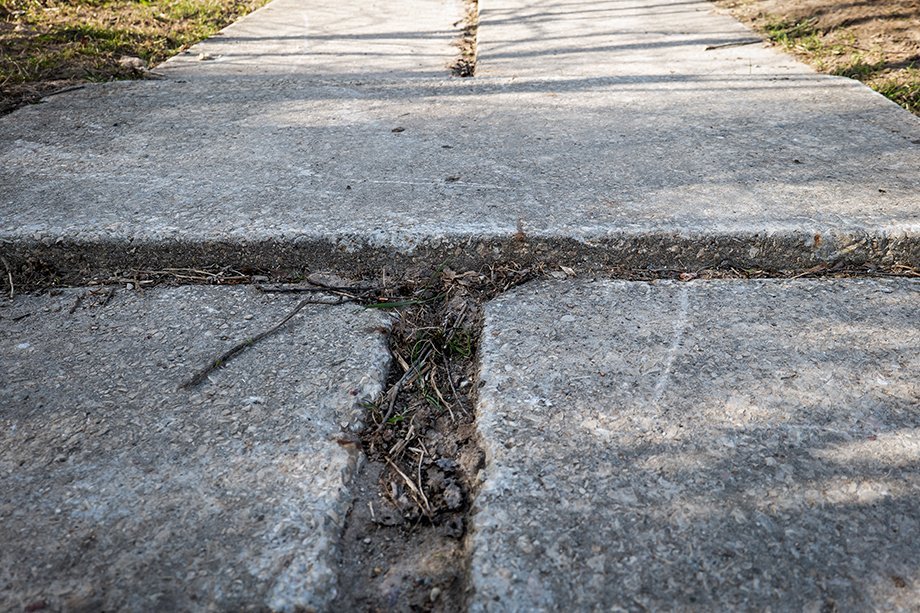
Examples include:
- Uneven pavements
- Poorly maintained walkways
- Weather conditions such as ice or rain
- Crowded public spaces
- Inaccessible transport systems
- Poor street lighting
For many individuals, fear of navigating outdoor environments following a fall can lead to social isolation and occupational deprivation.
Occupational Performance and Falls
Falls are closely linked to occupational performance.
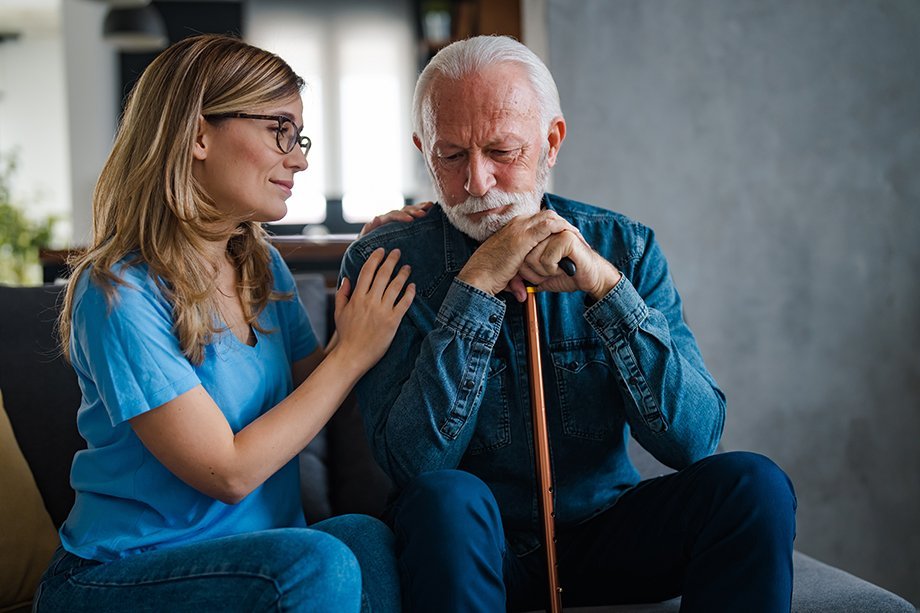
Occupational therapists understand that everyday activities are made up of multiple sequential steps requiring a combination of:
- Physical ability
- Cognitive processing
- Sensory awareness
- Environmental interaction
- Emotional confidence
A breakdown at any stage can increase risk.
For example:
Bed mobility → Transfer → Walking → Accessing the bathroom → Clothing management → Toileting → Hygiene → Returning safely
Each component contains potential environmental and functional challenges.
When difficulties arise repeatedly, individuals may begin avoiding activities altogether. This can result in:
- Reduced mobility
- Reduced confidence
- Increased dependence on carers
- Loss of meaningful roles
- Reduced participation in community activities
- Increased isolation
The occupational impact of a fall therefore extends far beyond the physical injury itself.
The Impact of a ‘Long Lie’
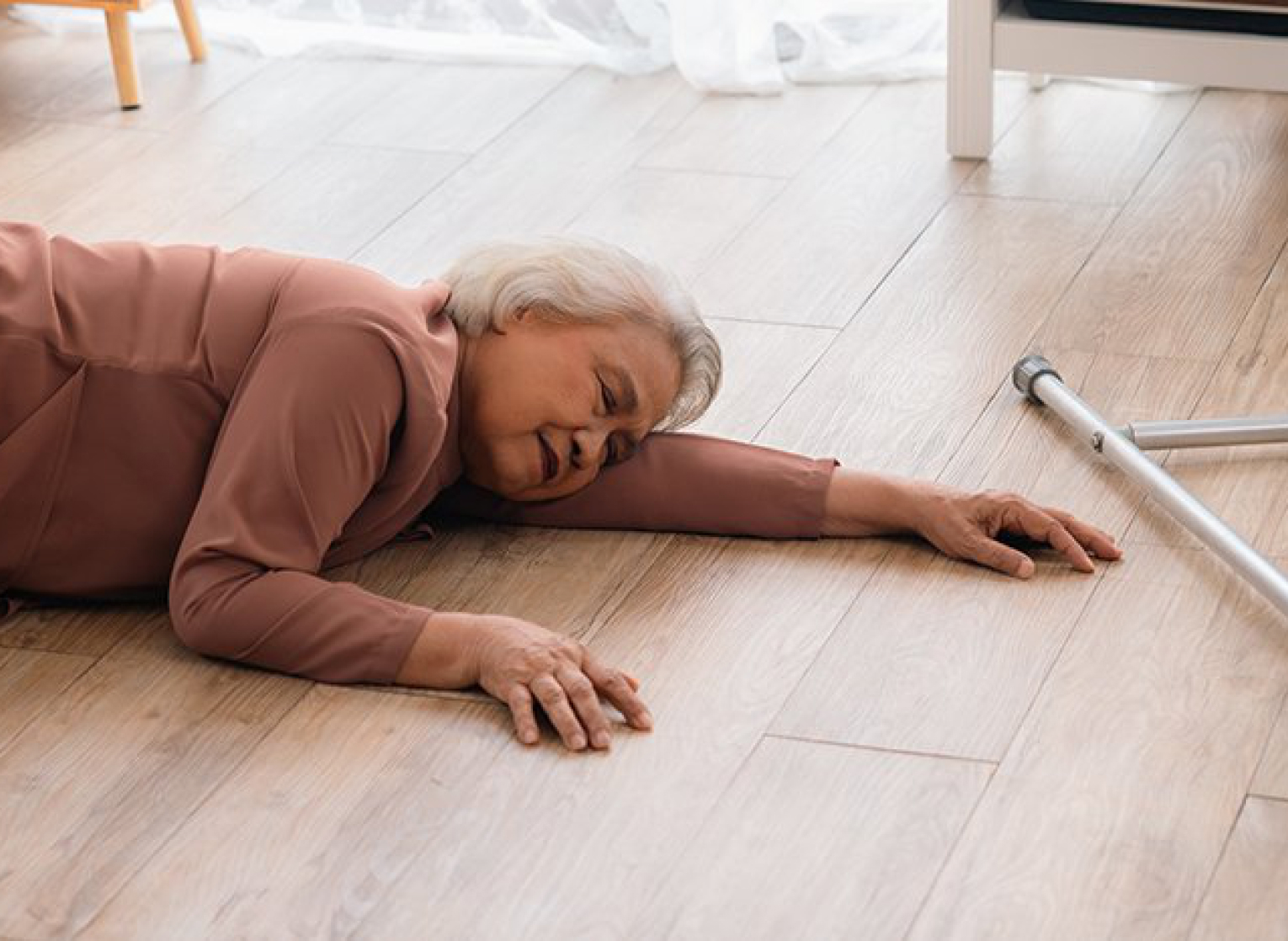
One of the most serious consequences following a fall is a prolonged period spent on the floor, commonly referred to as a ‘long lie’.
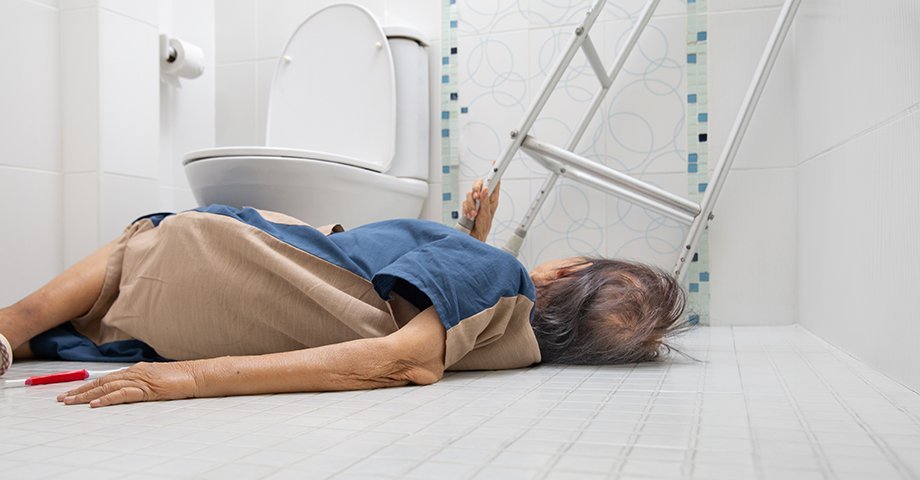
A long lie typically occurs when an individual falls and is unable to independently recover from the floor.
Traditionally:
- Delayed initial recovery refers to remaining on the floor for longer than 10 minutes but less than 1 hour
- A long lie refers to remaining on the floor for more than 1 hour
However, emerging evidence highlights that duration alone is insufficient. Psychological distress, helplessness, physical deterioration, and environmental circumstances must also be considered.
For occupational therapists, the significance of a long lie lies not only in the immediate physical harm but also in the profound functional and psychological consequences that may follow.
Physical Consequences
Remaining on the floor for a prolonged period can lead to:
- Pressure injuries
- Dehydration
- Hypothermia or hyperthermia
- Muscle breakdown (rhabdomyolysis)
- Respiratory complications
- Urinary complications
- Pain and stiffness
- Increased frailty
- Hospital admission
- Increased mortality risk
Frailty significantly compounds these risks. Even short periods of immobility can lead to rapid physical decline, muscle wasting, and reduced functional reserve.
Psychological Consequences
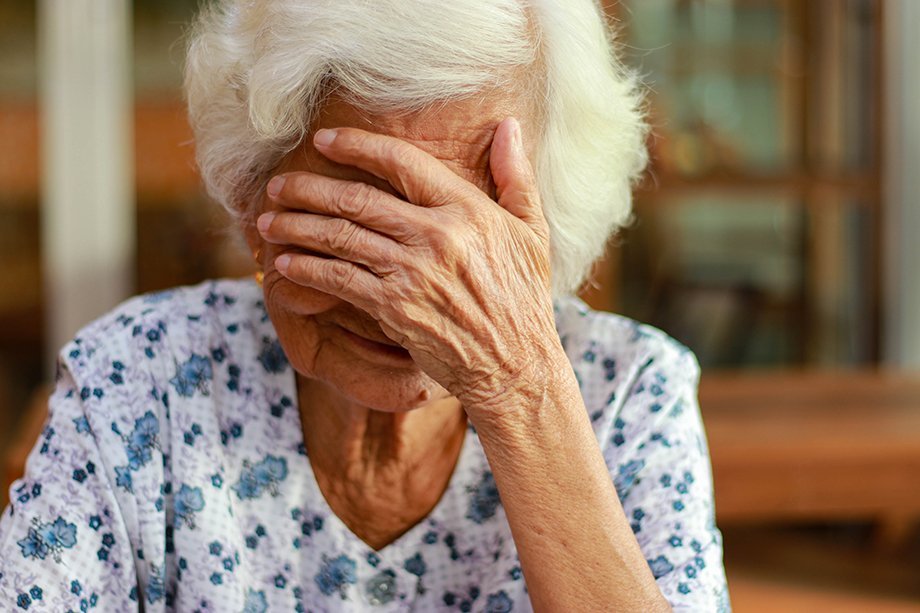
Long lies are frequently traumatic experiences.
Individuals may experience:
- Fear
- Embarrassment
- Loss of confidence
- Anxiety
- Social withdrawal
- Reduced trust in their own physical abilities
- Increased dependence on others
These experiences can have a lasting impact on occupational participation and quality of life.
Occupational Consequences
Following a long lie, individuals often experience reduced ability or confidence in:
- Self-care activities
- Transfers and mobility
- Meal preparation
- Community access
- Social participation
- Sleep routines
- Work or volunteering roles
The resulting occupational disruption can rapidly increase reliance on formal care and reduce independence.
Post-Fall Syndrome
Post-fall syndrome describes the psychological and functional decline that may occur following a fall, even where there is minimal physical injury.
It is characterised by:
- Persistent fear of falling
- Reduced confidence
- Avoidance of activity
- Reduced mobility
- Social withdrawal
- Increased dependency
- Emotional distress
- Physical deconditioning
Post-fall syndrome can create a self-perpetuating cycle.
Reduced activity leads to:
- Loss of strength
- Reduced balance
- Reduced endurance
- Increased frailty
This in turn increases the likelihood of further falls.
Occupational therapists play a critical role in interrupting this cycle through:
- Graded rehabilitation
- Confidence building
- Environmental modification
- Functional practice
- Education and problem solving
- Equipment provision
- Collaborative goal setting
Falls, Dignity and Occupational Therapy
Falls and post-fall management must always be approached through a person-centred and dignity-focused lens.
For many individuals, being left on the floor following a fall is distressing, frightening, and humiliating. Delays in support can significantly impact emotional wellbeing and trust in care services.
Occupational therapists recognise that dignity is closely linked to:
- Autonomy
- Choice
- Privacy
- Control
- Occupational identity
- Meaningful participation
Supporting a person to recover from a fall in a timely, respectful, and safe manner is therefore essential.
High quality moving and handling training, environmental planning, and appropriate equipment provision can significantly improve the experience and outcomes following a fall.
Environmental Adaptation as Prevention
Environmental adaptation is a core occupational therapy intervention.
Preventative adaptations aim to:
- Reduce falls risk
- Improve access and safety
- Support confidence and independence
- Reduce reliance on carers
- Enable safer occupational participation
- Reduce hospital admissions
- Minimise the risk of a long lie
Adaptations may include:
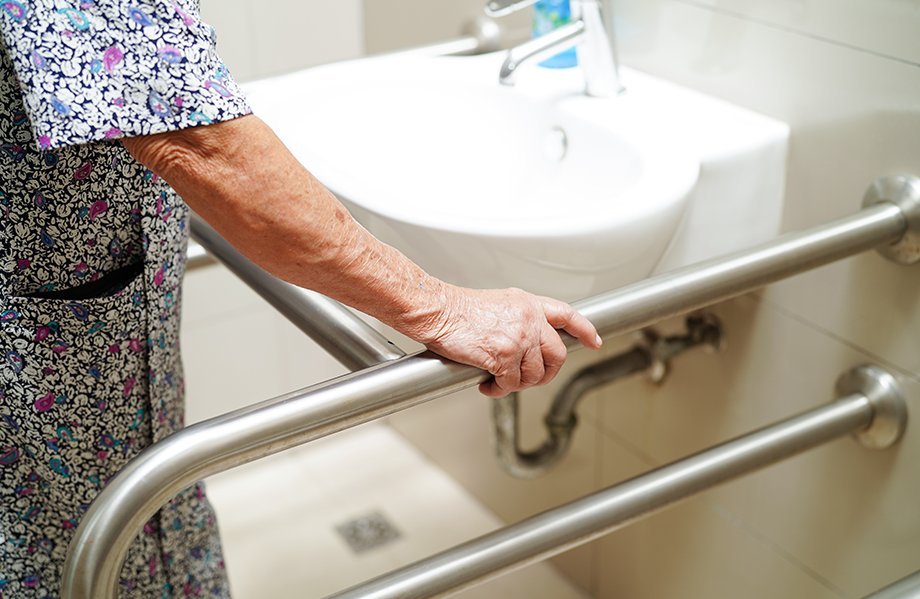
- Grab rails and handrails
- Improved lighting
- Flooring modifications
- Stair adaptations
- Bathroom adaptations
- Profiling beds
- Specialist seating
- Transfer equipment
- Telecare and alert systems
- Falls recovery equipment
Importantly, occupational therapists assess not only the environment itself but how the person interacts with it during real-life occupations.
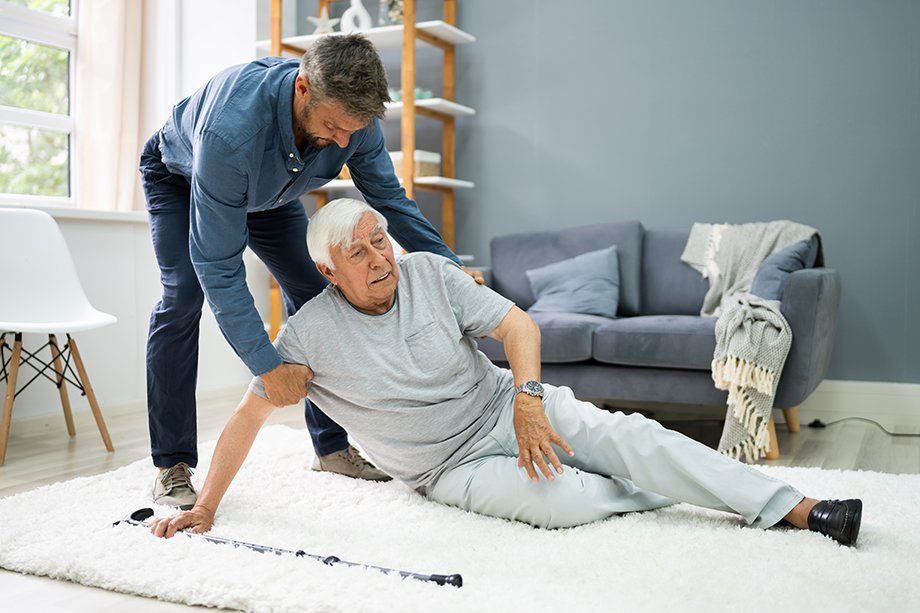
Falls Recovery and Post-Fall Management
Although reducing falls risk remains important, evidence demonstrates that falls cannot always be prevented entirely.
Consequently, effective post-fall management is equally critical.
The response to a fall should aim to:
- Identify potential injury
- Reduce time spent on the floor
- Maintain dignity
- Support timely recovery
- Prevent avoidable hospital admissions
- Reduce trauma and anxiety
Occupational therapists frequently contribute to:
- Falls recovery planning
- Functional floor recovery practice
- Equipment recommendations
- Staff and caregiver education
- Risk enablement approaches
- Environmental modification
- Development of post-fall protocols
Teaching individuals how to safely recover from the floor where appropriate can support confidence, autonomy, and resilience.
Where independent recovery is not possible, carers and healthcare professionals require appropriate training and equipment to support safe recovery.
The Wider System Impact of Falls
Falls create significant pressures across health and social care systems.
Consequences include:
- Increased ambulance callouts
- Increased emergency department attendance
- Avoidable hospital admissions
- Increased bed occupancy
- Increased demand for rehabilitation services
- Increased care package requirements
- Earlier admission into long-term care
Winter pressures further exacerbate these issues.

Seasonal factors including:
- Reduced daylight
- Poor weather conditions
- Ice and wet surfaces
- Increased illness and frailty
all contribute to increased falls incidence and greater service demand.
Occupational therapists increasingly contribute to innovative community pathways that aim to:
- Reduce avoidable admissions
- Support rapid recovery
- Provide environmental intervention
- Improve falls response
- Enable safer discharge home
These preventative approaches support both individual outcomes and wider system sustainability.
A Preventative and Occupational Approach
Falls management should not focus solely on risk elimination.
A purely risk-averse approach may unintentionally reduce:
- Independence
- Activity levels
- Community participation
- Confidence
- Occupational identity
Instead, occupational therapists advocate for a balanced approach that supports:
- Safe risk taking
- Functional independence
- Occupational engagement
- Environmental enablement
- Dignity and choice
The goal is not simply preventing falls at all costs, but enabling individuals to continue participating in meaningful occupations as safely and independently as possible.
Professional Guidance and Legislative Framework
Occupational therapists should ensure falls-related recommendations are supported by current professional guidance, legislation, and environmental standards. This strengthens clinical reasoning, supports proportionate risk management, and provides an evidence base for adaptation, equipment, housing, care planning, and service-level decision making.
NICE Guideline NG249: Falls Assessment and Prevention
NICE guideline NG249, Falls: assessment and prevention in older people and in people 50 and over at higher risk, provides a key evidence base for falls practice.
The guideline applies to:
- People aged 65 and over
- People aged 50 to 64 who have factors that increase their risk of falls
NICE highlights that falls risk is influenced by individual risk factors, some of which are modifiable. Relevant areas for occupational therapy practice include:
- Comprehensive falls assessment
- Assessment of home hazards
- Individualised intervention planning
- Education about what to do following a fall
- Promotion of safe activity and exercise
- Consideration of fear of falling, confidence, independence, and quality of life
For occupational therapists, NG249 supports a person-centred and multifactorial approach rather than relying on single interventions. It also reinforces the importance of discussing what to do if a person falls, including how to seek help and, where appropriate, how to get up safely.
Approved Document K: Protection from Falling, Collision and Impact
Approved Document K provides statutory guidance supporting Part K of the Building Regulations in England. It is particularly relevant when occupational therapists are considering the built environment, adaptations, stairs, steps, ramps, guarding, thresholds, access routes, and safety features.
Relevant areas include:
- Stairs, ladders, and ramps
- Protection from falling
- Guarding and barriers
- Protection from collision and impact
- Door and glazing safety considerations
Although Approved Documents are primarily technical building guidance, they provide an important reference point when considering whether environmental features may increase falls risk or whether adaptations are likely to support safer access and movement.
Occupational therapists should use Approved Document K alongside individual clinical assessment. Compliance with building guidance does not necessarily mean an environment is functionally safe for a specific person. Conversely, an individually tailored adaptation may require collaboration with surveyors, architects, housing providers, and building control professionals to ensure both functional suitability and regulatory compliance.
The Care Act 2014
The Care Act 2014 places wellbeing at the centre of adult social care decision making in England. Wellbeing includes personal dignity, physical and mental health, emotional wellbeing, control over day-to-day life, suitability of living accommodation, and participation in work, education, recreation, and social life.
Falls practice should therefore consider more than physical risk. Occupational therapy recommendations should also address:
- Dignity and autonomy
- The person’s own goals and routines
- Carer impact
- Participation in meaningful activity
- The suitability of the home environment
- The least restrictive approach to risk management
This supports a balanced approach to falls management that avoids unnecessarily limiting activity and independence.
Health and Safety at Work etc. Act 1974 and Manual Handling Operations Regulations 1992
Where carers, care staff, or healthcare professionals are involved in supporting someone after a fall, occupational therapists should consider moving and handling legislation and employer responsibilities.
The Manual Handling Operations Regulations 1992 require hazardous manual handling to be avoided where reasonably practicable, and where it cannot be avoided, for risk to be assessed and reduced. In falls management, this is relevant to:
- Post-fall recovery plans
- Floor recovery techniques
- Moving and handling equipment
- Carer and staff training
- Safe systems of work
- Documentation and review
Occupational therapists should ensure that post-fall plans protect both the person who has fallen and those assisting them.
Housing Grants, Construction and Regeneration Act 1996 and Disabled Facilities Grants
For major adaptations, the Disabled Facilities Grant framework remains a key route for funding eligible housing adaptations in England, Wales, and Northern Ireland. Falls-related recommendations may include level access showers, stair adaptations, improved access routes, handrails, ramps, door widening, or other changes that support safer occupational performance.
When using this route, occupational therapists should clearly link recommendations to:
- Functional need
- Environmental barriers
- Falls risk
- Safety and independence
- Long-term suitability of the home
- Prevention of hospital admission or care escalation
Equality Act 2010
The Equality Act 2010 is relevant where falls risk is linked to disability, access, and reasonable adjustments. Occupational therapists may use this framework when advising on inclusive environments in workplaces, public buildings, education settings, housing, and community access.
Falls prevention in this context is not only about removing hazards; it is also about enabling equitable participation and reducing environmental barriers that restrict independence.
RCOT Guidance and Professional Standards
The Royal College of Occupational Therapists previously published Occupational therapy in the prevention and management of falls in adults. RCOT has since retired this guideline, noting that practice, policy, and context have moved on. However, the core occupational therapy principles remain highly relevant when used alongside current NICE guidance and local policy.
Relevant occupational therapy principles include:
- Occupation-focused assessment
- Person-environment-occupation analysis
- Risk enablement
- Collaborative goal setting
- Environmental adaptation
- Functional rehabilitation
- Supporting meaningful activity and participation
Occupational therapists should also work within current RCOT professional standards, local authority policies, NHS pathways, safeguarding procedures, and moving and handling governance.
Using Guidance in Clinical Reasoning
A robust falls recommendation should clearly demonstrate:
- The person’s functional abilities and limitations
- The environmental barriers present
- The activity or occupation affected
- The specific falls risks identified
- The anticipated outcome of intervention
- The evidence or guidance supporting the recommendation
- The risks of no intervention
This evidence-based structure supports transparent decision making and can strengthen funding applications, housing adaptation reports, tribunal evidence, care planning, and multidisciplinary discussion.
Summary
Falls are complex events influenced by the interaction between the individual, their environment, and the activities they undertake.
Environmental factors play a significant role in both the likelihood of falling and the consequences following a fall. Occupational therapists are uniquely placed to identify environmental risks, analyse occupational performance, and implement interventions that support safety, dignity, independence, and recovery.
Although falls prevention remains important, evidence demonstrates that falls cannot always be completely avoided. Consequently, effective post-fall management, timely recovery, and minimising the impact of a long lie are equally essential.
Through environmental adaptation, rehabilitation, education, and person-centred intervention, occupational therapists can support individuals to:
- Reduce environmental risks
- Recover confidence and function
- Maintain occupational participation
- Prevent avoidable deterioration
- Reduce unnecessary hospital admissions
- Improve quality of life
Ultimately, the environment can either increase risk and disability or act as a powerful enabler of independence, safety, and meaningful occupational engagement.
Sources
- World Health Organization (WHO): Falls Prevention in Older Age
- Clemson L et al (2023) Environmental interventions for preventing falls in older people living in the community
- Kubitza J et al (2023) Concept of the term long lie: a scoping review
- NHS England resources on falls prevention and older adults
- Occupational therapy models of person–environment–occupation interaction
- Public health evidence relating to ageing, frailty, falls and hospital admission
- Training materials and professional content developed by The Occupational Therapy Service
Closomat – Who We Are and How We Can Help
Closomat are specialists in supporting people with complex toileting needs and have been designing and manufacturing wash and dry toilets in the UK for over 60 years. Our products are developed in consultation with healthcare professionals and can be customised to support current and future needs. We work closely with occupational therapists to support specification, installation, and long-term maintenance.