
A Closomat White Paper Written by The Occupational Therapy Service
Abstract
Multiple Sclerosis (MS) is a chronic, progressive, and unpredictable neurological condition that impacts over 130,000 people in the UK. It affects physical, cognitive, sensory, and emotional functioning, often leading to occupational disruption. For many people with MS, the bathroom presents one of the most complex and hazardous environments due to the convergence of fatigue, temperature sensitivity, and reduced mobility or dexterity. This white paper outlines clinical considerations and design principles to guide occupational therapists (OTs) in specifying bathroom adaptations that support independence, dignity, and safety for people with MS, drawing on lived experience, evidence-based practice, and universal design principles.
Understanding MS and Occupational Impact
What is MS?
MS is an autoimmune condition that affects the central nervous system by attacking the protective myelin sheath around nerves. This disrupts the transmission of nerve signals, resulting in a variety of symptoms that differ greatly between individuals.
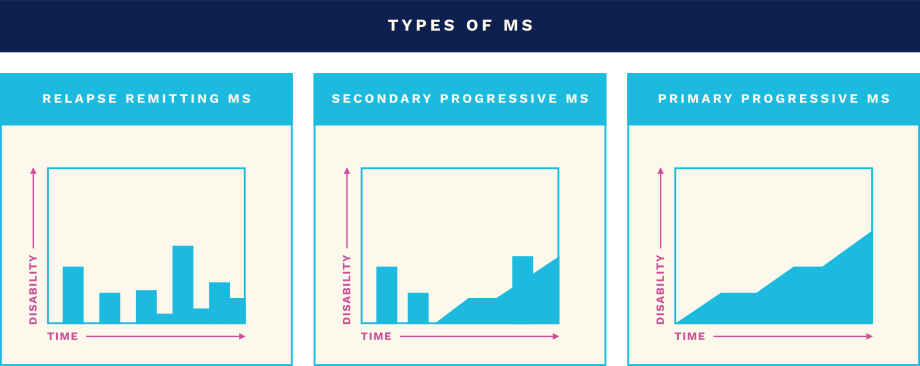
The Occupational Therapy Service’s Director, Adam Ferry, adds: “For individuals who are newly diagnosed, more frequently the update terminology is being used to describe the types of MS. These include terms such as:
- Active/not active.
- Worsening/stable.
- With/without progression.”
Symptoms influencing bathroom design
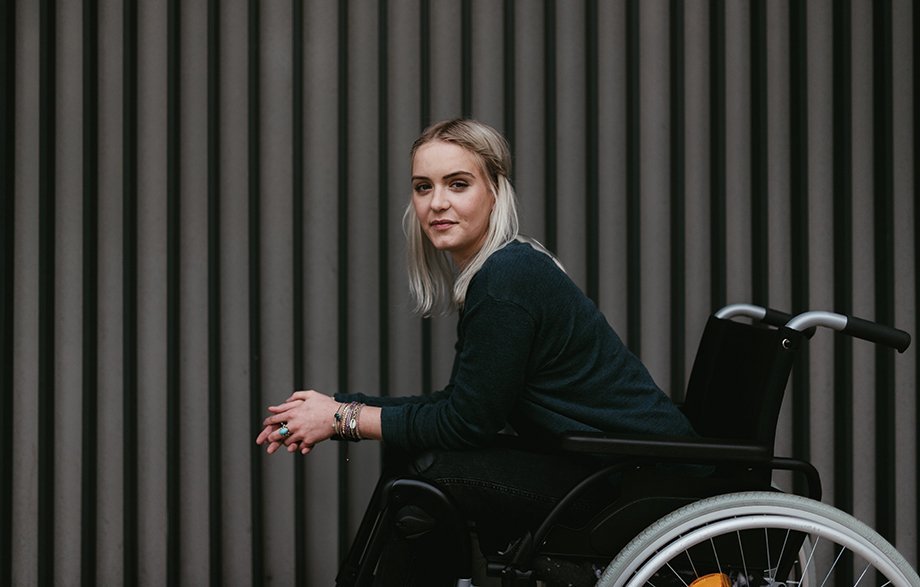
- Fatigue.
- Heat sensitivity.
- Muscle weakness and spasticity.
- Balance and coordination issues.
- Visual disturbances.
- Cognitive challenges (e.g. memory, attention).
- Bladder and bowel dysfunction.
Epidemiology
- Over 130,000 people in the UK live with MS.
- Equates to 1:500.
- Approx. 7,100 new diagnosis per year.
- Average diagnosis age is 30 – 40.
- Women are 2.5 x more likely to be diagnosed.
Why bathroom design matters
Bathrooms are essential spaces for self-care and privacy. For individuals with MS, the bathroom can be a source of stress, risk, and loss of independence. Poor design exacerbates physical and cognitive impairments, while appropriate, enabling adaptations can promote autonomy, reduce carer reliance, and improve quality of life.
Core design considerations
1. Accessibility
- Provide level access throughout the bathroom—avoid thresholds and raised shower trays.
- Ensure generous circulation space for walking aids or future wheelchair use.
- Maintain a consistent layout to preserve habitual routines and reduce cognitive load.
- Install wide, easy-to-operate doors—preferably sliding or outward opening in case of falls.
2. Energy Conservation and Fatigue Management
- Proximity of all essential fixtures (toilet, shower, basin) to reduce effort.
- Wall-mounted or seated showering options (folding, height-adjustable shower seats).
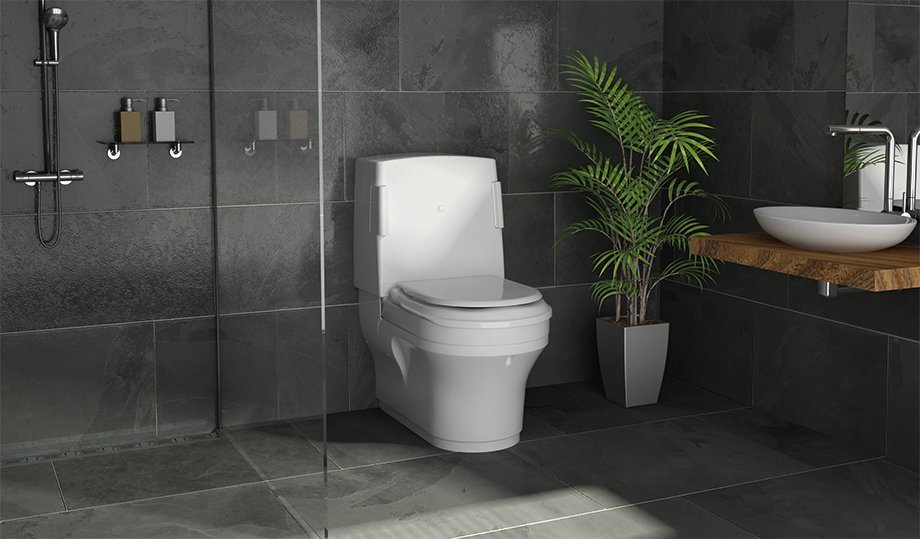
- Floor-fixed or integrated transfer supports (e.g., Closomat wash/dry toilet with arms).
3. Temperature Regulation
- Consider underfloor heating instead of radiators.
- Ensure excellent ventilation (auto-fan systems or easy-access window controls).
- Recommend thermostatically controlled showers and taps.
- Explore cooling technologies like ceiling fans or integrated air systems.
4. Safety and Falls Prevention
- Non-slip, matte flooring (avoid high gloss or patterned tiles).
- Avoid tripping hazards such as rugs or freestanding furniture.
- Provide contrast between floor, walls, and fixtures
- Position grab rails only where required and at user-specific heights.
5. Cognitive and Sensory Support
- Task lighting.
- Motion-sensor or voice-controlled lighting to reduce decision fatigue.
- Easy-to-understand shower and toilet controls.
- Minimise visual clutter and reduce reflective surfaces that cause disorientation.
Specialist Sanitation — Closomat Wash & Dry Toilets
Closomat toilets are a cornerstone in accessible bathroom design for people with complex conditions like MS. These integrated toilets offer:
- Hands-free, hygienic cleansing (ideal for individuals with reduced dexterity or fatigue).
- User-adjustable wash/dry functions, reducing reliance on carers.
- Consistent, repeatable routine support—helpful for cognitive impairment.
- Integration with DFG-funded adaptations and custom bathroom layouts.
Evidence and Experience
Client reflection – Matthew’s story
Matthew Davidson, a former assistant head teacher and father of one, lived an active life filled with work, football and family. That changed when unexplained collapses and overwhelming fatigue led to a diagnosis of Relapsing Remitting Multiple Sclerosis (RRMS).
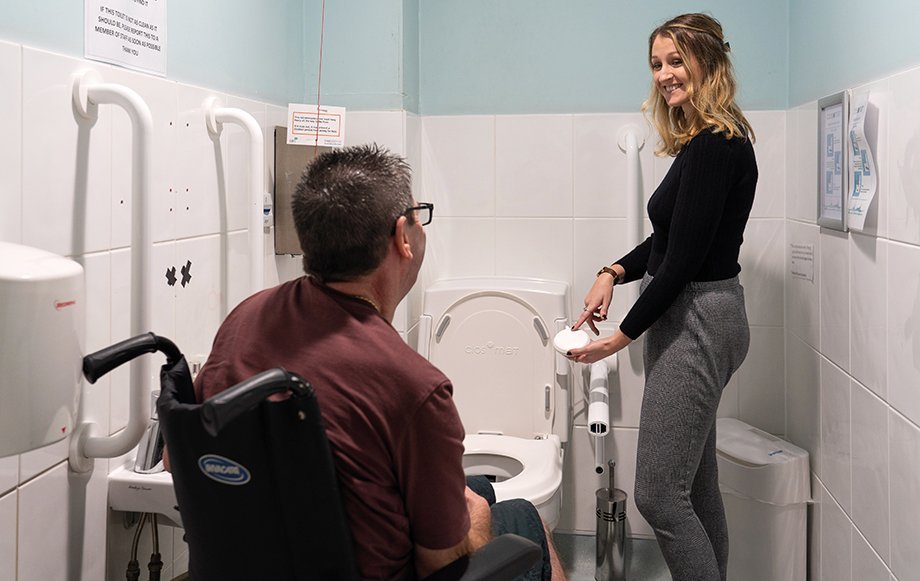
The Closomat Palma Vita became a turning point in Matthew’s daily life, and he describes the impact of a Wash and Dry Toilet on his daily life. Matthew adds: “I’ve got a Closomat toilet which is amazing. It’s honestly one of the best things I’ve ever had.”
Design Principles Summary
| Principle | Key Focus |
|---|---|
| Functionality | Enable performance of ADLs and reduce need for assistance |
| Consistency | Layout and control familiarity reduce anxiety and cognitive demand |
| Safety | Reduce falls and scald risks, improve stability and movement |
| Futureproofing | Plan for progression (mobility aids, energy changes, etc.) |
| Dignity | Enable private toileting, washing, and personal care |
Resources for further guidance
MS Society – www.mssociety.org.uk
NICE Guidelines NG220 – www.nice.org.uk/guidance/ng220
Foundations DFG Guidance – www.foundations.uk.com
Building Regulations – Approved Parts M & K
Conclusion
Designing accessible and adaptive bathrooms is central to supporting people with MS to remain safe, independent, and in control of their routines. By integrating expert clinical insight, the lived experience of those with MS, and solutions from trusted partners like Closomat, occupational therapists are uniquely placed to transform these spaces into supportive, dignified environments.