A Closomat White Paper Written by The Occupational Therapy Service
Abstract
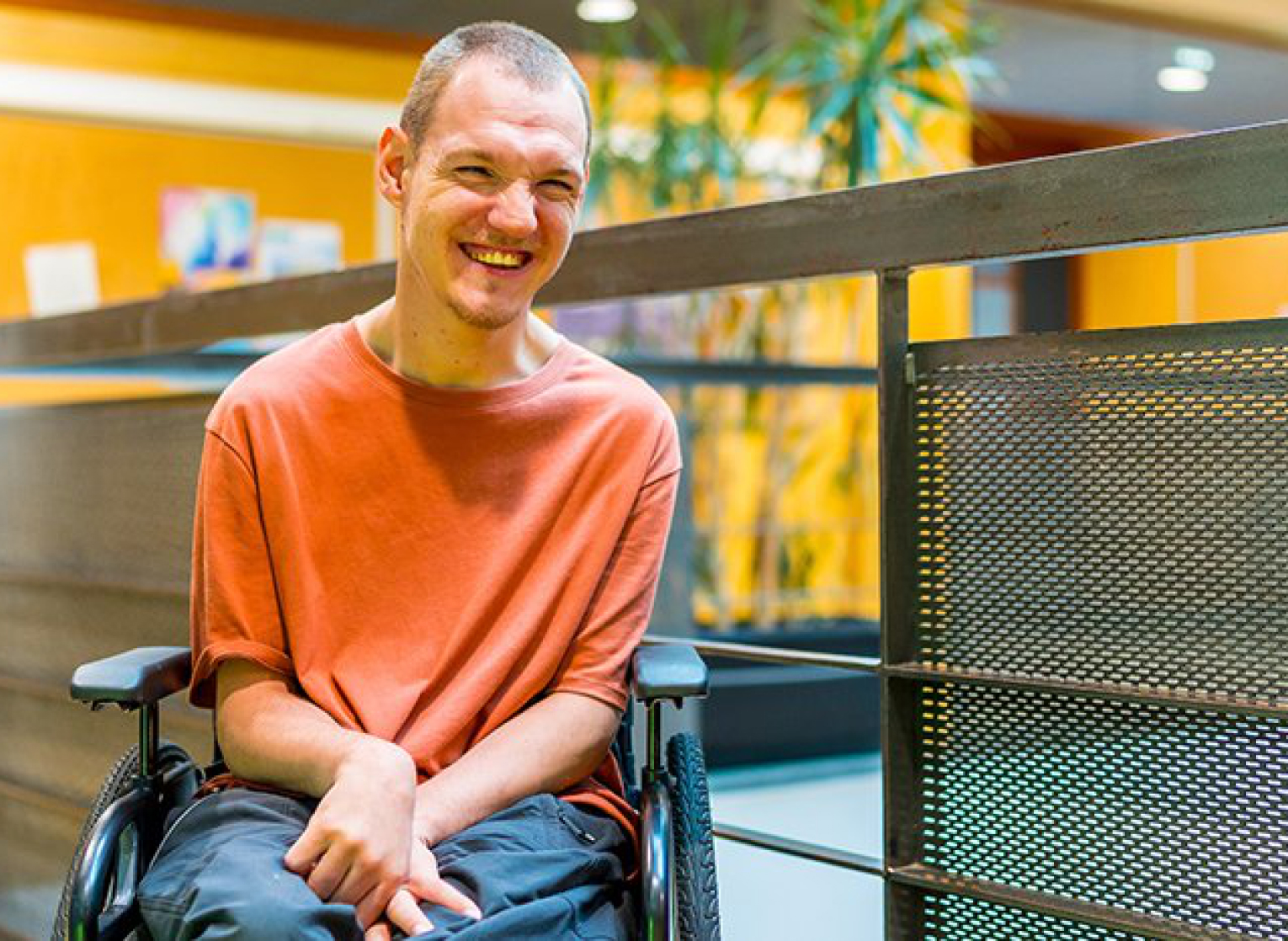
Cerebral Palsy (CP) is the most common cause of childhood physical disability, with lifelong impacts on motor control, posture, and function. It is a non-progressive but lifelong neurological condition, affecting around 1 in 400 live births in the UK. People with CP may experience muscle stiffness, weakness, involuntary movements, and challenges with coordination, often accompanied by sensory, communication, and cognitive differences.
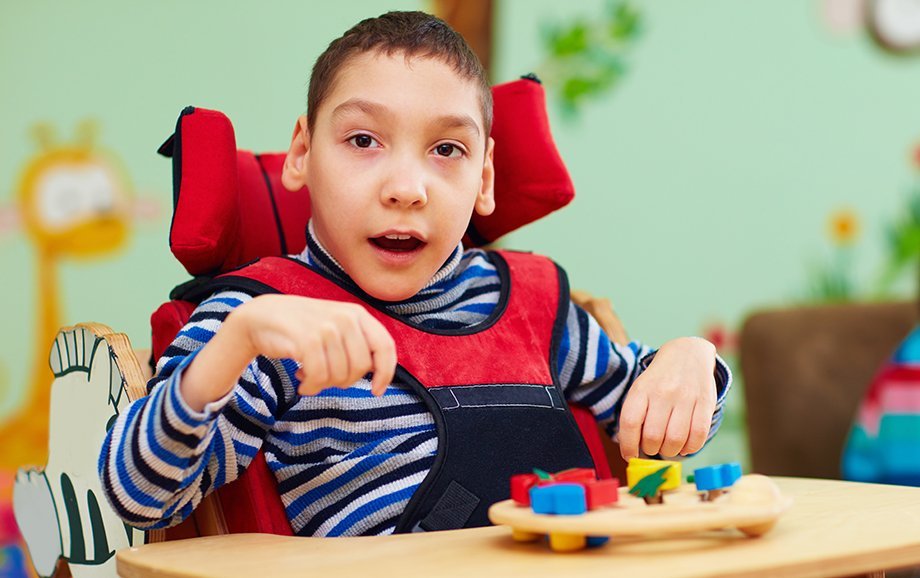
Accessibility is central to enabling participation and independence for individuals with CP across the lifespan. For many, environmental barriers compound physical and functional limitations, making daily tasks more difficult and increasing reliance on carers. This white paper outlines clinical considerations and design principles to guide occupational therapists (OTs) in supporting accessibility through home and community environments, highlighting strategies that promote independence, dignity, and meaningful occupation.
Understanding Cerebral Palsy and Occupational Impact
What is CP?
Cerebral Palsy refers to a group of permanent disorders of movement and posture caused by non-progressive disturbances to the developing brain. The presentation varies widely depending on the area of the brain affected.
Types of CP
- Spastic CP (stiffness, high tone, reduced range of motion)
- Dyskinetic CP (involuntary or fluctuating movements)
- Ataxic CP (poor balance and coordination)
- Hypotonic (low muscle tone impacting control and stability)
- Mixed CP (features of more than one type)
Common Symptoms Affecting Accessibility
- Muscle stiffness, spasticity, or involuntary movements
- Reduced balance, coordination, and motor planning
- Fatigue from increased energy expenditure during movement
- Fine motor challenges affecting self-care and daily tasks
- Speech and communication difficulties
- Sensory processing differences
- Cognitive or perceptual challenges (in some individuals)
Epidemiology
- Approx. 30,000 children and young people in the UK live with CP
- Global prevalence: 1 in 400 live births
- CP is non-progressive, but secondary complications (contractures, joint deformities, pain) may progress

Why Accessibility Matters
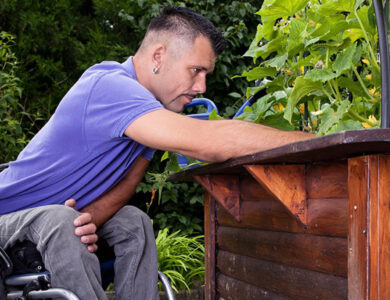
Accessibility is not only about mobility, it is about enabling participation in meaningful activities across self-care, work, education, and leisure. Poorly designed environments amplify disability and dependency, while accessible environments allow individuals with CP to engage with dignity, autonomy, and safety.
Key outcomes of accessibility-focused interventions
- Reduced carer reliance
- Increased participation in daily occupations
- Improved psychosocial wellbeing
- Prevention of secondary health issues (falls, overuse injuries)
Core Design Considerations
1. Physical Accessibility
- Level access, wide doors, and circulation space for wheelchairs and mobility aids
- Adjustable-height furniture and equipment
- Positioning supports for posture and safety
2. Fatigue and Energy Management
- Minimise unnecessary effort through proximity of essential fixtures
- Promote use of seating during activities (e.g., shower chairs, perching stools)
- Explore powered mobility and assistive technologies
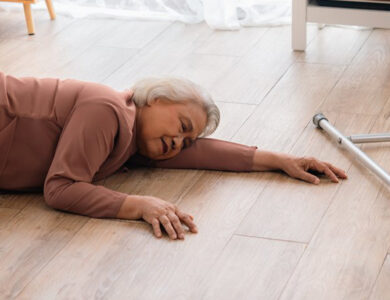
3. Safety and Falls Prevention
- Anti-slip flooring and uncluttered pathways
- Grab rails and support frames at user-specific heights
- Stable seating and adjustable transfer aids
4. Cognitive and Sensory Support
- Consistent, simple layouts to reduce cognitive load
- Clear visual contrasts between walls, floors, and fixtures
- Smart technology for simplified control of lighting, heating, and appliances
5. Dignity and Independence
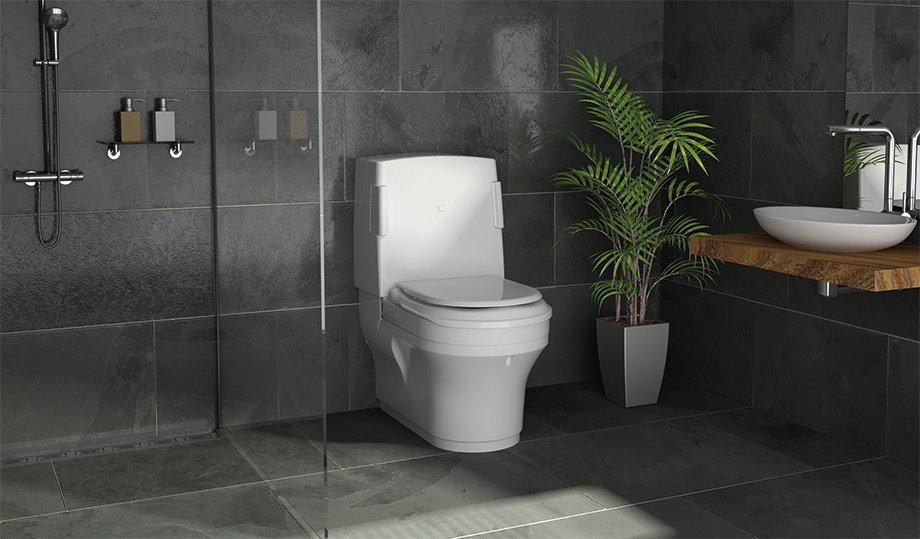
- Wash/dry toilets (e.g., Closomat) to reduce reliance on carers
- Voice-activated or switch-adapted controls for those with limited fine motor function
- Personalised solutions that respect privacy and choice
Evidence and Experience
Client Reflection – Rachel’s story
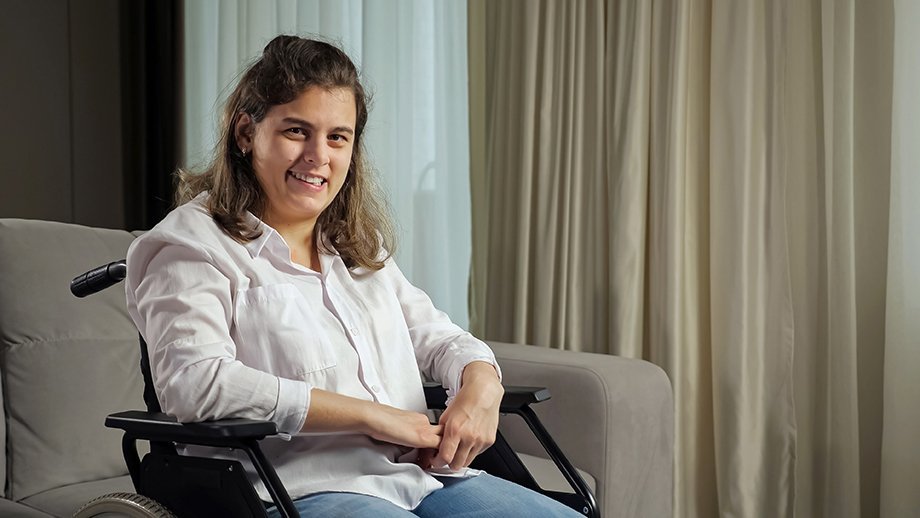
Rachel, a lead occupational therapist with cerebral palsy (right hemiplegia), offers a dual perspective as both clinician and service user. Her condition affects mobility, dexterity and balance, leading to fluctuating independence and fatigue. She uses walking aids indoors and an electric wheelchair outdoors, with stairs negotiable only under concentrated effort.
Throughout her life, Rachel has faced environmental, systemic, attitudinal and institutional barriers: inaccessible schools and workplaces, restrictive home environments, and bureaucratic hurdles in disability benefits. Proactive home adaptations—including dual stair rails, level-access shower, wider hallways, and clear layouts—have significantly improved her independence, safety, and dignity.
Rachel’s experience highlights key principles of inclusive design: functionality, dignity, energy conservation, cognitive accessibility, and future-proofing. Her advocacy and professional credibility underline the importance of person-centred design and systemic change, reminding practitioners to consider both physical and attitudinal barriers in enabling autonomy and participation for people with cerebral palsy.
Design Principles Summary
| Principle | Key Focus |
|---|---|
| Functionality | Enable activities of daily living (ADLs) with minimal effort |
| Consistency | Familiarity in layout and controls to reduce cognitive demand |
| Safety | Reduce fall, posture, and fatigue risks |
| Future-proofing | Plan for growth, ageing, and evolving support needs |
| Dignity | Promote independence in self-care and personal routines |
Resources for Further Guidance
- Cerebral Palsy Foundation – www.cerebralpalsyfoundation.org
- NICE Guidelines – Cerebral Palsy in Adults (NG119) and in Children (NG62)
- Scope UK – scope.org.uk
- Foundations DFG Guidance – foundations.uk.com
- Building Regulations – Approved Documents M & K
Conclusion
For people with Cerebral Palsy, accessibility is central to independence, participation, and wellbeing. Occupational therapists play a vital role in assessing needs, recommending adaptations, and advocating for inclusive environments. By combining evidence-based practice, universal design principles, and lived experience, OTs can help create spaces that foster dignity, safety, and opportunity throughout the lifespan.