A practical guide for councils and OTs on turning extra DFG funding into timely adaptations.

Turning additional funding into timely, safe and effective home adaptations
1. Introduction
The recent announcement of an additional £50 million in Disabled Facilities Grant (DFG) funding reflects a continued national commitment to helping disabled and older people live safely and independently in their own homes.
It recognises the vital role that home adaptations play in reducing risk, supporting dignity and preventing avoidable pressure on health and care services.
As the minister of State for Care, Stephen Kinnock, said on the announcement:
Home adaptations also play a crucial role in easing pressure on our NHS, preventing falls, speeding up hospital discharges and reducing admissions. This investment is part of our commitment to shift more care out of the hospital and into the community, where people want to be.[1]
However, increased funding alone does not guarantee faster delivery of adaptations. Local authorities continue to report pressures on occupational therapy capacity, administrative workloads and contractor availability, all of which affect how quickly approved adaptations can be completed.
Delays in delivering completed adaptations have real and immediate consequences, especially bathroom adaptations. These are often the most significant and complex changes individuals need to make in order to remain in their own homes.
This guide acknowledges the realities faced by occupational therapists and housing teams and explores ways to support faster, safer and more effective delivery of DFG-funded bathroom adaptations.
[1] https://www.cih.org/news/government-announces-50-million-boost-to-help-thousands-more-people-live-independently-at-home/
2. Common DFG delivery challenges
Local authorities and housing partners are under sustained pressure to deliver Disabled Facilities Grants (DFGs) efficiently, safely and within tightening resource constraints.
The Disabled Facilities Grant (DFG) Delivery Guidance is clear
DFGs are to be used to support independence, prevent deterioration, reduce hospital admissions and delay or avoid the need for care.
However, in practice, delivering on that ambition is becoming increasingly complex.
Below are some of the key challenges we are hearing which are currently affecting occupational therapy services and housing teams.
Assessment backlogs
Demand continues to exceed capacity, leading to long waiting lists for DFG assessments and increased risk of deterioration before intervention. Coupled with occupational therapists managing already high caseloads and balancing urgent statutory duties, preventive adaptation work can be deprioritised when crisis cases take precedence.
Complex cases
Toileting and bathing adaptations in particular are often required in multi-condition or multi-user households, where needs are layered and space is limited. These adaptations frequently require specialist knowledge beyond standard assessments as they must balance functional ability, dignity, space constraints and long-term sustainability.
Process bottlenecks
Delays can occur between assessment, specification and installation, impacting delivery. Incomplete or inappropriate specifications often lead to rework, contractor queries and further avoidable delay.
Risk aversion
Safeguarding responsibilities and governance requirements can lead to cautious decision-making. Uncertainty around external support or non-standard solutions may cause hesitation, even where preventative adaptations could reduce longer-term risk.
Under-utilised funding
When delivery is delayed, DFG budgets may be carried forward despite rising demand. This represents missed opportunities to intervene early, prevent deterioration and reduce longer-term care and health costs.
3. Common pitfalls in DFG-funded adaptations
Delivering DFG funded adaptations can be complex and expensive and by understanding these common pitfalls we can aim to improve delivery, reduce rework and ensure the adaptations achieve their intended outcomes, both effectively and sustainably.
Administrative hurdles
Lengthy wait times, missed deadlines and slow approval processes can delay essential adaptations. Prolonged timelines increase the risk of deterioration before works are completed.
Funding and financial constraints
The £30,000 grant limit, means testing requirements and reduced local authority contributions can restrict what is deliverable. Repayment conditions may also create uncertainty for applicants.
Delivery challenges
Workforce shortages and contractor availability can slow installation. Poor communication between occupational therapists, technical teams and contractors can further delay progress.
Ineffective solutions
Reactive rather than preventative adaptations, inappropriate equipment selection, or lack of ongoing maintenance can reduce long-term effectiveness and lead to repeat referrals or escalating need.
4. How specialist support can strengthen DFG delivery
Bathroom adaptations are often the most complex and high-value works undertaken through the DFG pathway. Unlike smaller pieces of equipment, they frequently involve structural alterations, plumbing and electrical changes, waterproofing, ventilation and coordination over multiple trades.
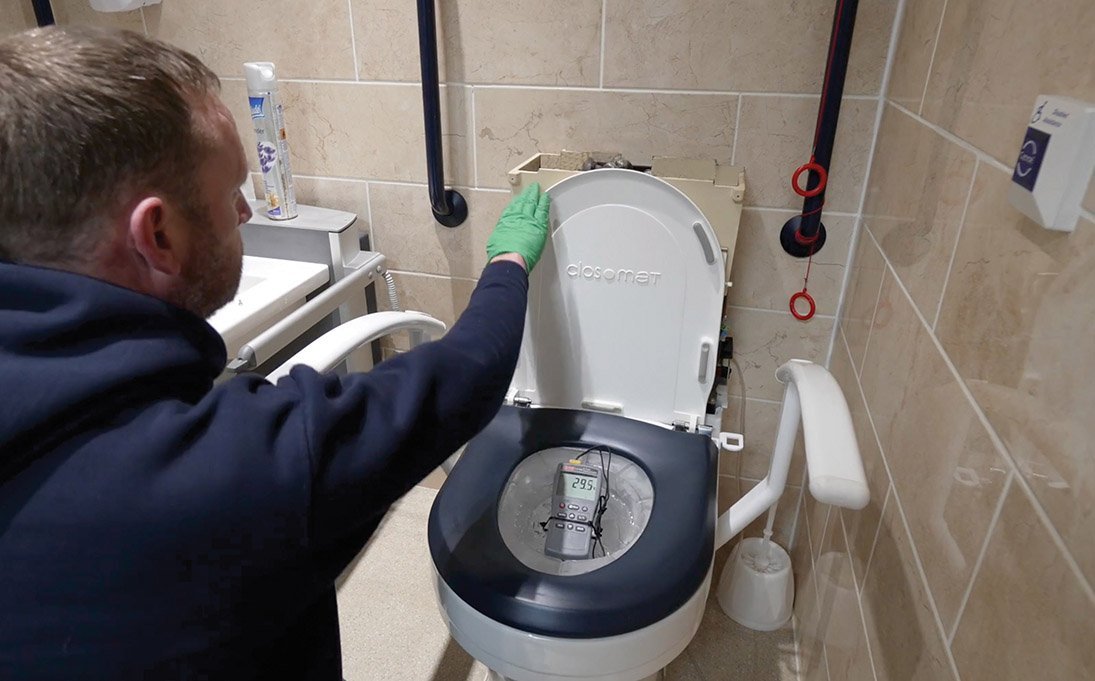
Bathroom adaptations typically require more thought, planning and financial resources than most other adaptations. However, in many areas, local authorities do not have sufficient internal or contracted capacity to deliver these specialist installations at pace. Workforce shortages, contractor availability and coordination challenges can all slow progress once funding has been approved.
Sitting alongside the wider delivery challenges and common pitfalls already identified, these pressures can undermine the value of timely assessment and reduce the preventative impact of DFG funding.
Bridging the gap between approval and installation is therefore critical, especially for complex bathroom adaptations.
An A-Z approach to service delivery from Closomat
Closomat offers a full managed, end to end adaptation pathway, bringing together:
- Trusted specialist assessment input to support complex toileting cases
- In-house manufacture of specialist equipment
- Installation by experienced, trained installers
- Ongoing servicing and maintenance support
The approach is designed to integrate and complement existing occupational therapists and housing processes with an extension on their own team, with the capacity, accreditation and knowledge to shorten time and a more smoother delivery of much needed bathroom adaptations.
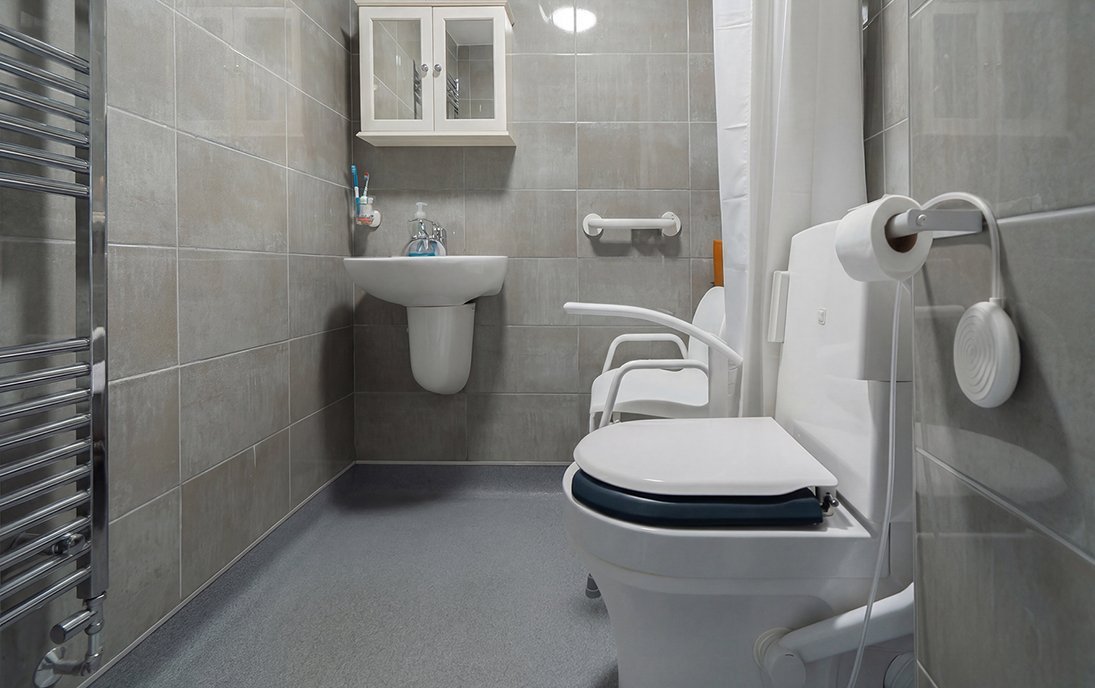
Closomat is well placed to support complex bathroom adaptations because toileting is its sole area of expertise. With specialist knowledge and access to their own teams, spanning assessment, manufacture, installation and ongoing maintenance, Closomat can help ensure complex adaptations are carefully specified, professionally installed and sustainable over the long term.
Ray Rochester, National Key Account Manager at Closomat, adds:
We understand that delays can occur at both the assessment and installation stages, particularly in complex toileting adaptations. Our A–Z service delivery model is designed to support local authorities throughout the entire process, from specialist assessment input through to manufacture, installation and ongoing maintenance. By presenting a fully managed, complete adaptation, we help ensure that what is recommended is delivered efficiently, safely and sustainably.
5. When specialist assessments add the most value
While many DFG adaptations can be managed through standard processes, some cases benefit from additional specialist input, particularly the more complex or urgent cases. Used at the right stage, specialists can help local authorities deliver DFG-funded adaptations more effectively and confidently.
Specialists input can be helpful in cases involving
- Complex toileting and hygiene needs
- Progressive or neurological conditions
- Multiple occupants with overlapping needs
- Previous adaptations that have failed
- Situations requiring rapid intervention to prevent hospital admission
In each of these scenarios, specialist insight can provide faster clarity on the most appropriate solutions and strengthen confidence in funding decisions.
Value of specialist assessments
Introducing specialist assessment at the right point in the pathway can provide:
- Faster clarity on the most appropriate solution
- Reduced risk of incorrect or incomplete adaptations
- Greater confidence in funding decisions
- Improved outcomes for residents and carers
Benefits to Local Authorities
When integrated effectively, local authorities may benefit from:
- Reduce installation and labour bottleneck
- Shorten the time between approval and completion
- Minimise coordination demands across multiple providers
- Provide a single, accountable point of contact
- Ensure equipment is installed and maintained appropriately
- Support timely hospital discharge and preventative outcomes
Closomat’s Trusted Assessors service explained
Closomat’s Trusted Assessors are Level 4 trained specialists who support the identification of the most appropriate wash and dry toilet solution for individual needs. Drawn from the Closomat team, they focus on understanding the user’s mobility, hygiene requirements and safe transfer ability to promote independence and reduce reliance on carers.
Assessments take a holistic view of the entire toileting routine, considering not only functional ability but also environmental and technical factors such as bathroom layout, plumbing and electrical requirements. Recommendations are tailored to the individual, ensuring the specification aligns with both user needs and property constraints.
Where appropriate, assessments can be conducted remotely, reducing travel time and enabling faster quotation and decision-making.
Benefits of using Closomat’s Trusted Assessor service
- Faster more efficient assessments
- Focused on real users needs – mobility, hygiene, dignity and safe transfer
- Holistic approach to toileting adaptations
- Practical recommendations
- Better use of DFG funding reduces the risk of unsuitable installations
Closomat Trusted Assessors Service supports, not replaces local authority occupational therapists or housing teams, and has been designed to complement existing assessment processes, providing additional insights particularly in complex cases.
Contact Closomat to obtain support for faster, safer and more effective delivery of DFG-funded bathroom adaptations.