Why a fall is rarely caused by one thing, and why what happens next matters so much.
Falls are often talked about as an inevitable part of ageing, but they are rarely caused by just one thing. As occupational therapists, we know that a fall is usually the result of a complex interaction between the person, the activity they are doing, and the environment around them.
That’s why the environment matters so much
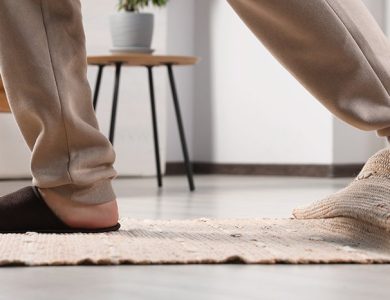
A loose rug, poor lighting, a slippery bathroom floor, awkward furniture layout, or even a badly positioned grab rail can make everyday activities much harder and less safe. For someone living with reduced balance, arthritis, fatigue, dementia, visual impairment, or muscle weakness, these small environmental issues can quickly become significant risks.
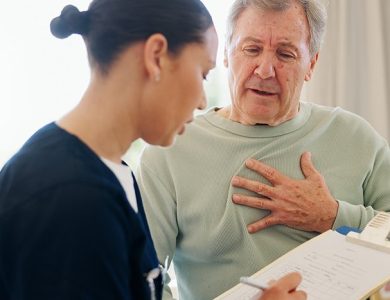
What is often overlooked is that falls are not just physical events. The emotional impact can be huge
Many people lose confidence after a fall, even if they are physically uninjured. They may begin avoiding activities they previously enjoyed, stop going out independently, or become fearful of everyday tasks such as using the stairs or getting to the bathroom at night. Over time, this can lead to reduced activity, social isolation, and physical deconditioning, which ironically increases the likelihood of future falls.
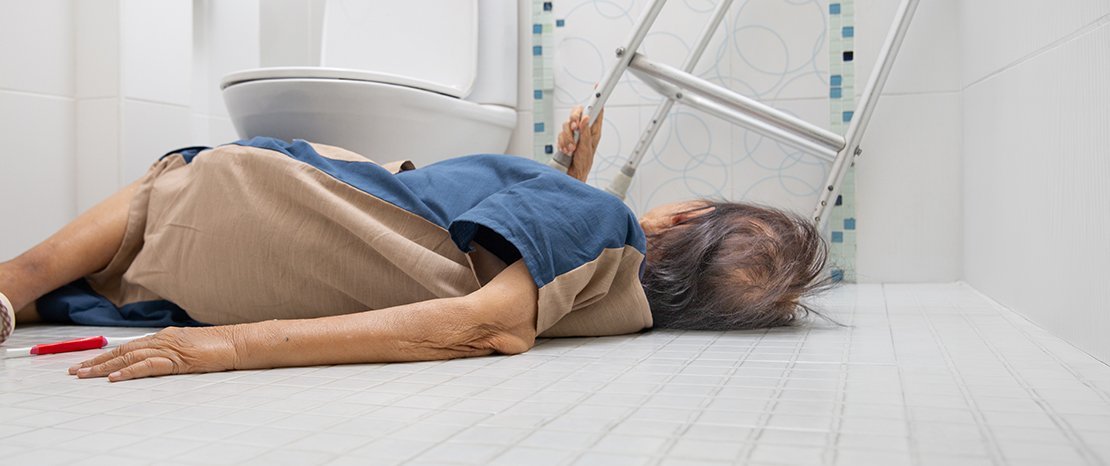
One of the most serious consequences of a fall is something known as a “long lie” — when a person remains on the floor for a prolonged period because they are unable to get up or access help. The effects can be devastating.
Spending a long time on the floor can lead to dehydration, pressure injuries, muscle breakdown, hypothermia, and hospital admission. But the psychological impact can be just as significant. People often describe feeling frightened, helpless, embarrassed, or traumatised after being unable to get up.
This is why falls prevention is about much more than simply telling people to “be careful”
Occupational therapists look at how someone functions within their environment. We consider how they move around their home, complete daily tasks, use their bathroom, manage stairs, and access the community. Often, relatively small changes can make a huge difference.
Improving lighting, reducing clutter, adjusting furniture height, installing grab rails, improving bathroom access, or introducing equipment to support safer transfers can all help people remain independent and confident.
Importantly, the aim is not to remove all risk from life. That simply isn’t realistic.
The goal is to support people to continue doing the things that matter to them as safely and independently as possible. That balance between safety, dignity, independence, and quality of life is central to occupational therapy practice.

Professional guidance increasingly recognises the importance of this approach. NICE guidance on falls prevention highlights the importance of looking at the whole person, including their home environment, confidence levels, and ability to carry out everyday activities.
As our population ages and more people live with long-term conditions, falls will continue to be a major challenge across health and social care. But with the right environmental support, early intervention, and occupational therapy input, we can reduce risk, improve recovery, and help people maintain independence for longer.
Sometimes, it’s not the fall itself that changes a person’s life; it’s what happens afterwards, and how well the environment supports them to recover.