How OT clinical reasoning helped Margaret, who has COPD, use the bathroom safely.
Background
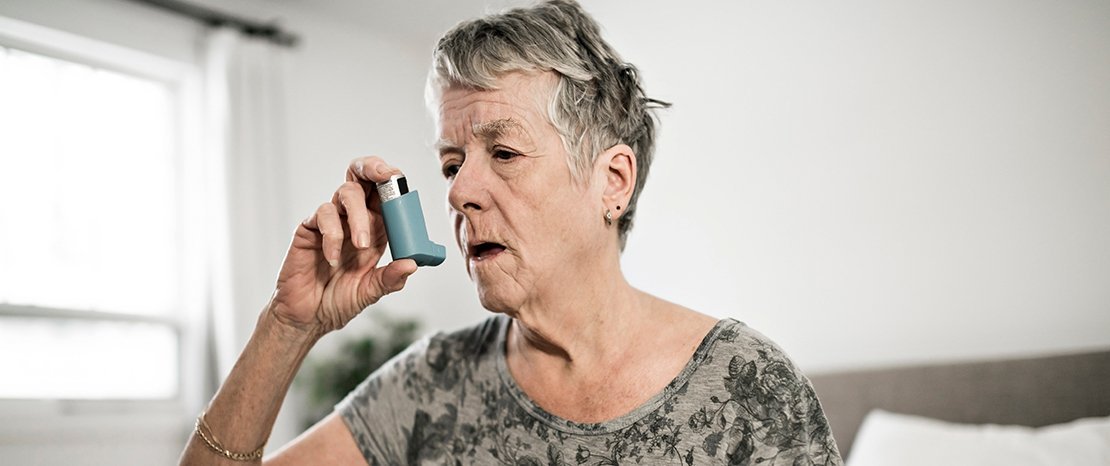
Margaret, aged 72, lives alone in a two-bedroom bungalow. She was diagnosed with COPD several years ago and has experienced a gradual reduction in exercise tolerance, with periods of increased breathlessness and fatigue. She remains independent with most activities but reports that everyday tasks now take longer and require more planning. Her daughter visits twice a week and provides support with shopping and heavier household tasks.
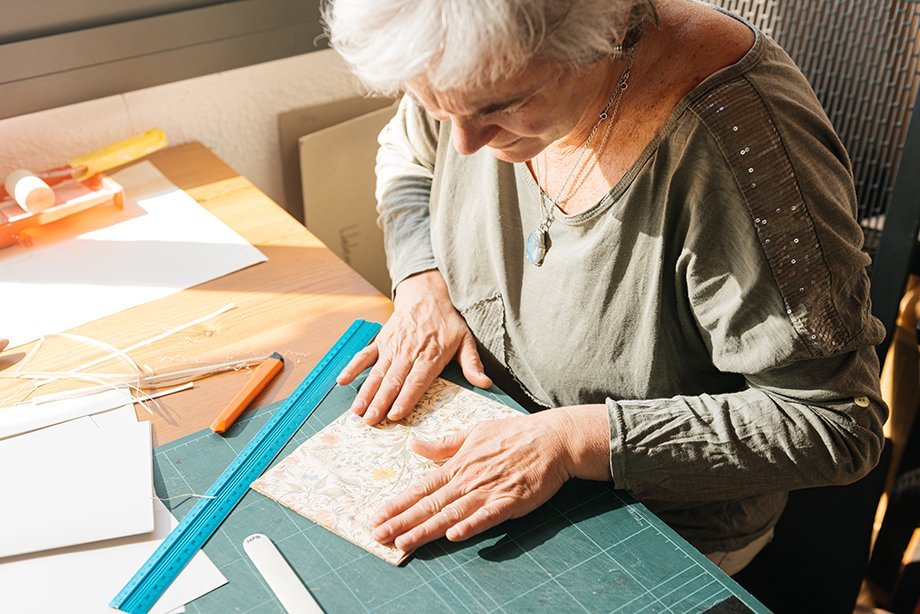
Margaret’s main priority is to remain living independently at home and continue attending a weekly craft group. Recently, however, she has become increasingly concerned about using the bathroom. Walking from the living room to the bathroom leaves her breathless, and she finds standing to manage clothing and completing personal hygiene particularly tiring. She has started rushing when she needs the toilet, increasing her anxiety about falling.
Application of the Person–Environment–Occupation (PEO) Model
The Person–Environment–Occupation (PEO) model provides a useful framework for understanding how Margaret’s COPD is affecting her occupational performance. It considers the interaction between the person, the occupations they need or want to do, and the environment in which those occupations take place. For this case, the model helps the OT identify where the fit between Margaret, toileting and her bathroom environment is becoming disrupted, and where intervention may improve occupational performance, independence and participation.
Person
Margaret’s abilities, experiences and priorities
Margaret values her independence and is particularly motivated to continue attending her weekly craft group. She describes herself as someone who has always managed her own personal care and is reluctant to ask her daughter for help with toileting. From a PEO perspective, the person domain includes more than physical ability. The OT should consider Margaret’s breathlessness patterns, fatigue, strength, balance, dexterity, confidence, routines, preferences and goals. Understanding these factors helps identify what is affecting her occupational performance and what outcomes are meaningful to her.
Occupation
Understanding the demands of toileting
Toileting is a complex occupation rather than a single transfer. For Margaret, the sequence includes recognising the need to use the toilet, walking to the bathroom, entering and turning within the space, transferring, managing clothing, completing personal hygiene, flushing, hand hygiene and leaving the bathroom. The OT considers which elements increase breathlessness or fatigue and how Margaret currently adapts her performance.
Reviewing Margaret’s wider routine also identified opportunities for energy conservation. She tends to complete household tasks in one period and then rests when she becomes very breathless. She has also started delaying toilet use to avoid repeated trips to the bathroom. Intervention therefore considers pacing, planned rest, task simplification and responding to the need to use the toilet before urgency leads to rushing.
Person–Occupation Interaction
Functional performance
Assessment showed that Margaret could transfer on and off the toilet independently, but the complete toileting occupation was more demanding than the transfer alone suggested. Walking to the bathroom, turning in the confined space, managing clothing, maintaining balance during personal hygiene and standing to leave all contributed to exertion.
Clinical reasoning considered both Margaret’s current presentation and how performance changed on a more breathless day. Scientific reasoning supported understanding of how reduced respiratory capacity and fatigue affected function, while procedural reasoning informed the selection and trial of practical strategies and equipment. Narrative and interactive reasoning helped explore Margaret’s experience of breathlessness, concerns about losing independence and preferences regarding personal care. Conditional reasoning was used to consider whether proposed interventions would remain useful when symptoms fluctuated.
Environment
Physical and social environment
The PEO model highlights that occupational performance is influenced not only by the person’s abilities and the demands of the occupation, but also by the environment in which the activity takes place. Margaret’s bathroom assessment identified several environmental demands. The toilet was positioned close to a wall, leaving limited space for movement. She also needed to reach and twist to complete personal hygiene, increasing the physical demands of the task.
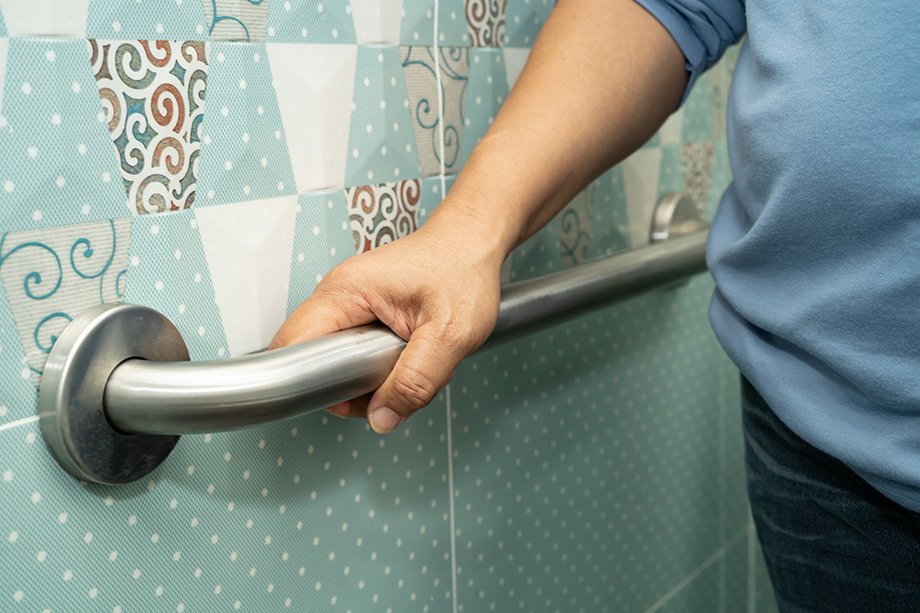
The OT considered access and circulation, toilet height, transfer safety, grab rail position, flooring, lighting and the placement of essential items. The assessment also considered whether changes could improve the fit between Margaret, the toileting occupation and the bathroom without unnecessarily increasing equipment or dependence.
Toileting and Assistive Technology: Considering a Wash and Dry Toilet
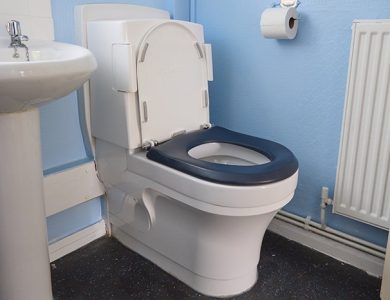
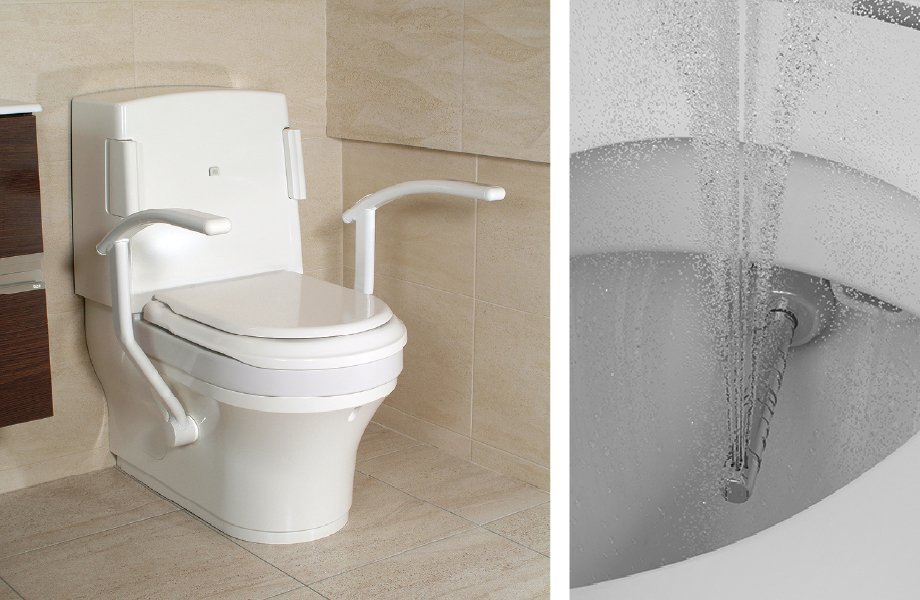
Following the PEO assessment and activity analysis, the OT discussed whether a wash and dry toilet could improve the fit between Margaret’s abilities and the demands of personal hygiene. Automated washing and drying could reduce repeated reaching, wiping and twisting and may therefore reduce the physical effort required to complete this part of the toileting sequence.
A wash and dry toilet was considered as one possible intervention rather than an automatic recommendation. The OT would need to establish whether Margaret could transfer safely, position herself correctly, understand and operate the controls, and use the equipment consistently. Bathroom access, space, power requirements, cleaning and infection-control considerations, servicing and reliability would also need to be explored.
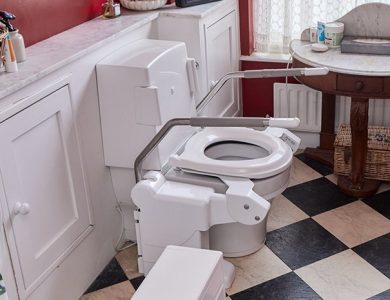
Other assistive technology could be considered alongside or instead of a wash and dry toilet. For example, an automated flush system may reduce the need to reach or twist, while a tilt-and-raise seat may be appropriate where reduced strength or transfer ability is the primary barrier. The key OT question is whether the technology addresses an identified occupational problem and meaningfully improves the person’s performance, independence or safety within their environment.
Risk, Clinical Reasoning and Review
Risk assessment remained central throughout the process. The OT considered falls risk, transfer safety, breathlessness during exertion, fatigue-related errors, safe equipment use and whether Margaret could respond appropriately if she became suddenly more breathless. The assessment also considered her ability to use any technology when fatigued, rather than relying solely on her best performance.
The PEO model supports ongoing review because the fit between the person, occupation and environment can change as COPD symptoms and functional capacity fluctuate. Following any intervention, the OT would review whether Margaret could reach the toilet safely, complete personal hygiene with less exertion, maintain privacy and continue her routines with greater confidence. Margaret’s own experience and priorities would remain central to evaluating the outcome.
Summary
This case demonstrates how COPD can affect an occupation such as toileting through the interaction between the person, the demands of the occupation and the environment. The PEO model helps the OT move beyond asking whether someone ‘needs equipment’ and instead identify where the occupational performance fit is breaking down and what could be changed.
For Margaret, intervention could include pacing and energy conservation, environmental changes and carefully selected assistive technology. A wash and dry toilet may be a valuable option where personal hygiene is a significant physical barrier, but its suitability depends on individual assessment, clinical reasoning, safety and Margaret’s preferences.