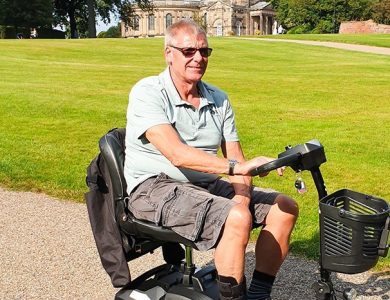
How an understanding of ergonomics found the right toileting solution for David, 72.
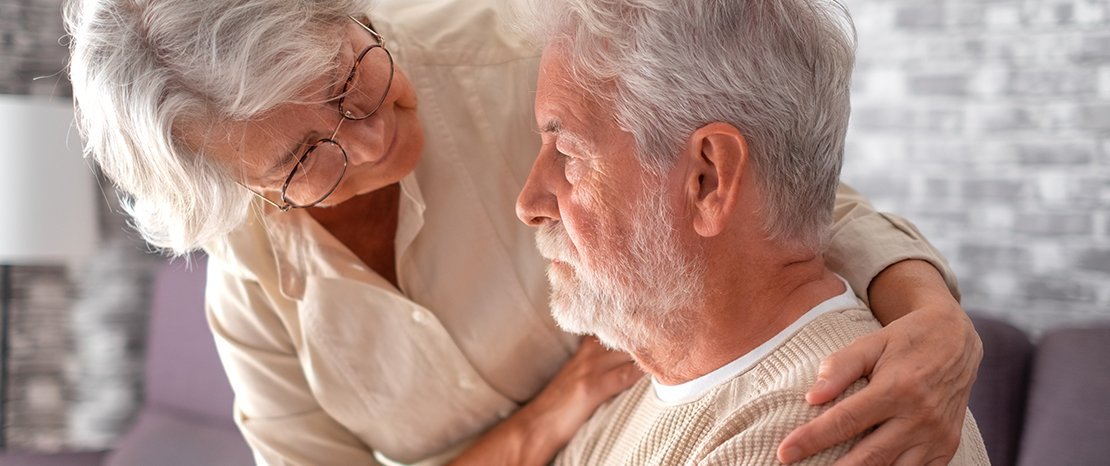
Ergonomics is about how well an environment, task or product fits the person using it; physically, cognitively and emotionally, and so reducing the effort required to use it. Understanding ergonomic mismatches is important for safety, efficiency and usability, and is a fundamental part of OT clinical reasoning even if not labelled as ergonomics. This case study explains how an understanding of ergonomics can ensure the correct toileting solution.
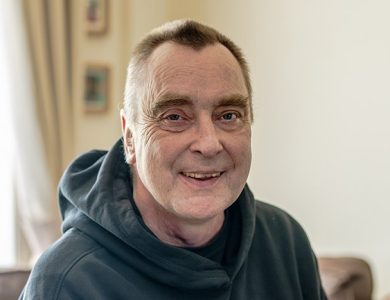
David is a 72-year-old retired engineer who lives with his wife, Margaret, in the home they have shared for over 40 years. Until recently, he led an active and independent life. He enjoyed gardening, walking to the local shops, and took pride in “doing things for himself.” Following a stroke a year ago, David has had to adapt to slower mobility, reduced balance and right-sided weakness. More recently, he received a diagnosis of early-stage dementia.
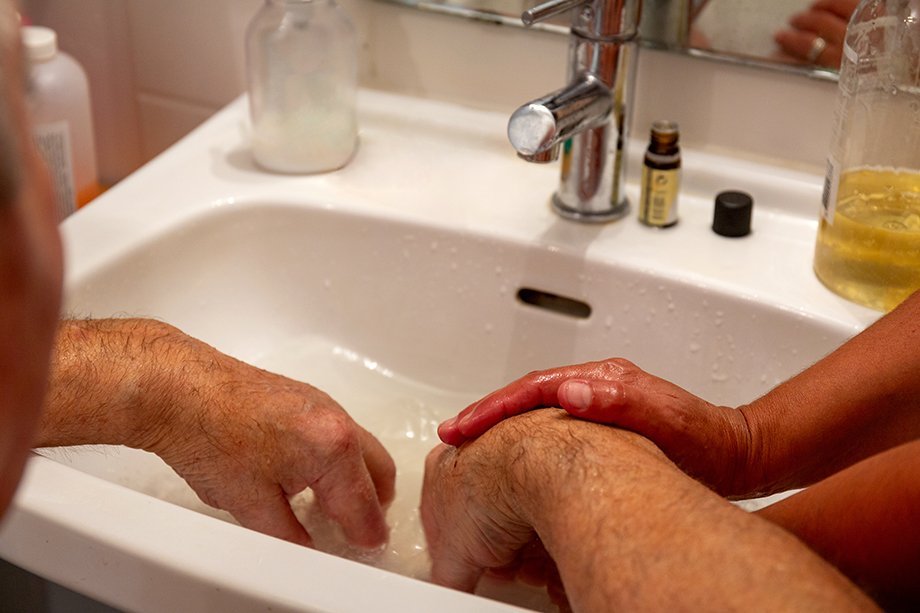
Margaret had begun to notice that David was taking longer in the bathroom, forgetting why he had gone upstairs, and becoming disoriented and unsteady at night. She also noticed he was forgetting to wash his hands and that there was sometimes evidence of faeces on his fingers, which he found distressing. David was reluctant for her to help him and so she requested an occupational therapy assessment. From the outset, David was clear that he didn’t want to rely on anyone for the toilet. He was a very proud man and wanted to maintain as much dignity as possible.
A holistic assessment was completed, with his goal of independence central to the process. This explored not only David’s physical abilities but also provided a detailed analysis on how he was managing the entire toileting sequence — from recognising the need to go, to completing the task and returning safely.
The Person Environment Occupation Performance (PEOP) model (Baum, Christiansen & Bass, 2015) explains how someone’s ability to carry out everyday activities arises from the interaction between:
- Intrinsic factors: physical abilities, cognitive skills, emotional wellbeing, values, roles and life experience
- Extrinsic factors: physical space, social supports, cultural norms
- Occupation: the specific tasks the person wants or needs to do
- Performance: the actual doing of the activity, shaped by how well the person, environment and occupation fit together
Toileting can be a demanding daily activity, and in the context of stroke and dementia, small inefficiencies can have a larger impact on occupational performance.
Using the PEOP framework, the assessment considered the dynamic interaction between the four elements:
Physically, David’s stroke had resulted in right-sided weakness, reduced balance when turning, and limited dexterity. The bathroom required him to turn in a confined space, lower himself in a controlled way, and manage clothing and hygiene with precision. He was still completing the task, but it was slower, less controlled and increasingly effortful, at times requiring assistance despite his protestations.
Cognitively, early dementia was affecting his ability to initiate and sequence tasks. Toileting, once automatic, now required more conscious effort. Margaret described how he would pause before going upstairs, as though working out what to do next, and he was forgetting to wash his hands.
The bathroom layout added a further challenge, as items were not consistently positioned (the grandchildren often moved things), and hygiene tasks appeared less intuitive for him. Following his stroke, David’s confidence in negotiating even familiar environments had reduced, particularly at night where the dimly lit route to the bathroom created shadows that affected depth perception.
The assessment clarified that David’s reduced independence was not due to a single deficit, but to a mismatch between his abilities, the task requirements and the environment. Because of his deteriorating condition, the emphasis shifted from improving his abilities to making the environment work for him, physically, cognitively and emotionally. Simply put: ergonomics.
Intervention therefore focused on restoring usability across the whole task. Environmental adjustments were made, including repositioning items, improving lighting with plug in lights on the landing and introducing a grabrail by the toilet. However, David’s hygiene still required physical effort, dexterity and sequencing that he was increasingly struggling with, and there were concerns he was not cleaning himself properly or washing his hands sufficiently.
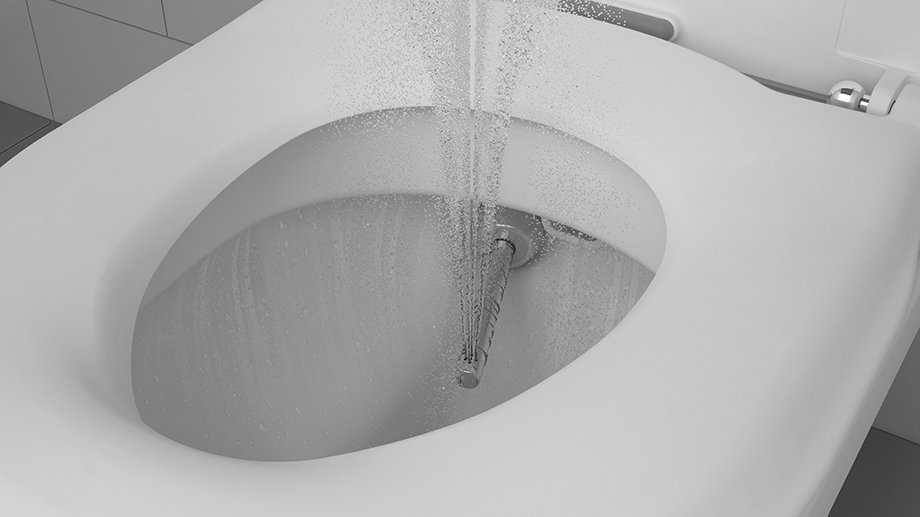
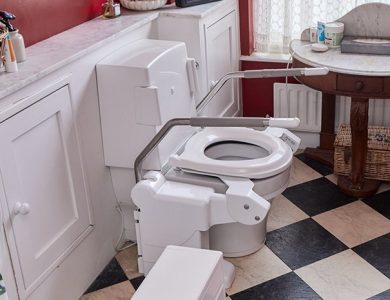
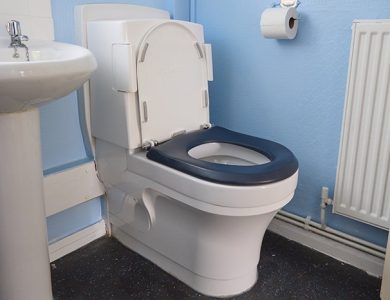
To address this, a Closomat Palma Vita was recommended. The timing was important because of his emerging cognitive difficulties; he needed to understand how it worked and, more importantly, how it felt. If it was not intuitive and usable, it would not be an effective ergonomic solution. Getting the “right fit” is key.
By helping him understand that this was about maintaining independence, the impact was significant. Automating this part of the toileting task removed the need for reaching, twisting and fine motor control, allowing David to remain safely seated throughout. This reduced the physical demands on him, compensated for his right sided weakness, and reduced concerns about hand hygiene.
It also simplified the overall process. Instead of multiple steps requiring sequencing and decision-making, toileting became more straightforward and predictable, reducing cognitive load and making the task easier to initiate and complete. This would not necessarily have been the case had his dementia been more advanced, so normalising the new routine while he could still learn it was important.
We also discussed with Margaret ways to encourage the grandchildren to leave items in the same place so that grandad could find them. She created a “granddad’s box” containing his razor, deodorant and other items so they were always in a familiar place.
Most importantly, the solution preserved David’s independence. Margaret no longer needed to assist with intimate hygiene, maintaining privacy and dignity and reducing anxiety for both of them.
Following these changes, David remained fully independent with toileting and appeared more confident, particularly at night. “I can just get on with it now,” he said.
Without this intervention, the likely progression would have been increasing difficulty with hygiene, gradual reliance on Margaret, and a loss of independence that may have been difficult to reverse. In this case, the introduction of a Palma Vita was more than equipment provision, it was a comprehensive ergonomic solution.